Multivitamins for Immunity in Bangladesh: What Helps?
Shopping for an immunity multivitamin in Bangladesh can mean choosing between vitamin C, zinc and a long list of blended formulas. This guide explains the evidence behind those ingredients, compares three Australian products and separates everyday nutrition decisions from care for an infection.
Quick Answer
A multivitamin can help supply missing nutrients needed for normal immune function. Taking more vitamins when your intake is already adequate usually does not prevent infections. Choose an age-appropriate formula that addresses your dietary gaps, and compare the daily amounts of vitamin C, vitamin D and zinc. No multivitamin is a substitute for infection treatment.
Key Takeaways
- Vitamin C supplements do not prevent colds in most people; starting them after symptoms begin has not shown a clear benefit.
- Compare nutrients per daily serving: high-potency branding does not demonstrate better protection from infection.
- Count zinc across multivitamins, separate supplements and cold products; long-term excess can impair immunity.
Another cold is going around, and the supplement shelf promises plenty of ways to stay well. Before you buy an “immunity booster”, ask one useful question: what is missing from your diet? That answer matters more than the number of ingredients on the bottle.
What can a multivitamin do for immunity?
Your immune system depends on adequate nutrition. A supplement may be useful when food alone does not provide enough of a nutrient. However, a bottle labelled for immune support is not evidence that it will stop you catching infections. The NIH review of immune supplements distinguishes correcting a shortfall from taking extra vitamins when no deficiency exists.
For an immunity multivitamin in Bangladesh, start with your usual meals and any identified deficiency. Neither a humid day nor the arrival of winter tells you which nutrient or dose you need.
Vitamin C, vitamin D and zinc: what does the evidence say?
- Vitamin C: Regular supplementation does not prevent colds in the general population, although it may shorten them slightly. Starting only after symptoms appear has not shown the same benefit. See the NCCIH cold evidence review.
- Vitamin D: It supports normal immune function. Studies on preventing respiratory infections have mixed results, and supplements do not appear to treat those infections. Addressing low vitamin D is a separate decision from buying a cold remedy.
- Zinc: Some trials suggest lozenges or syrup started early may shorten a cold, but the evidence is uncertain. Those results cannot automatically be applied to a daily multivitamin containing zinc. NIH explains the different formulations studied.
No single ingredient makes a multivitamin the best choice for everyone. Your nutritional needs, the formulation and the amount taken all matter.
Three multivitamins to compare in Bangladesh
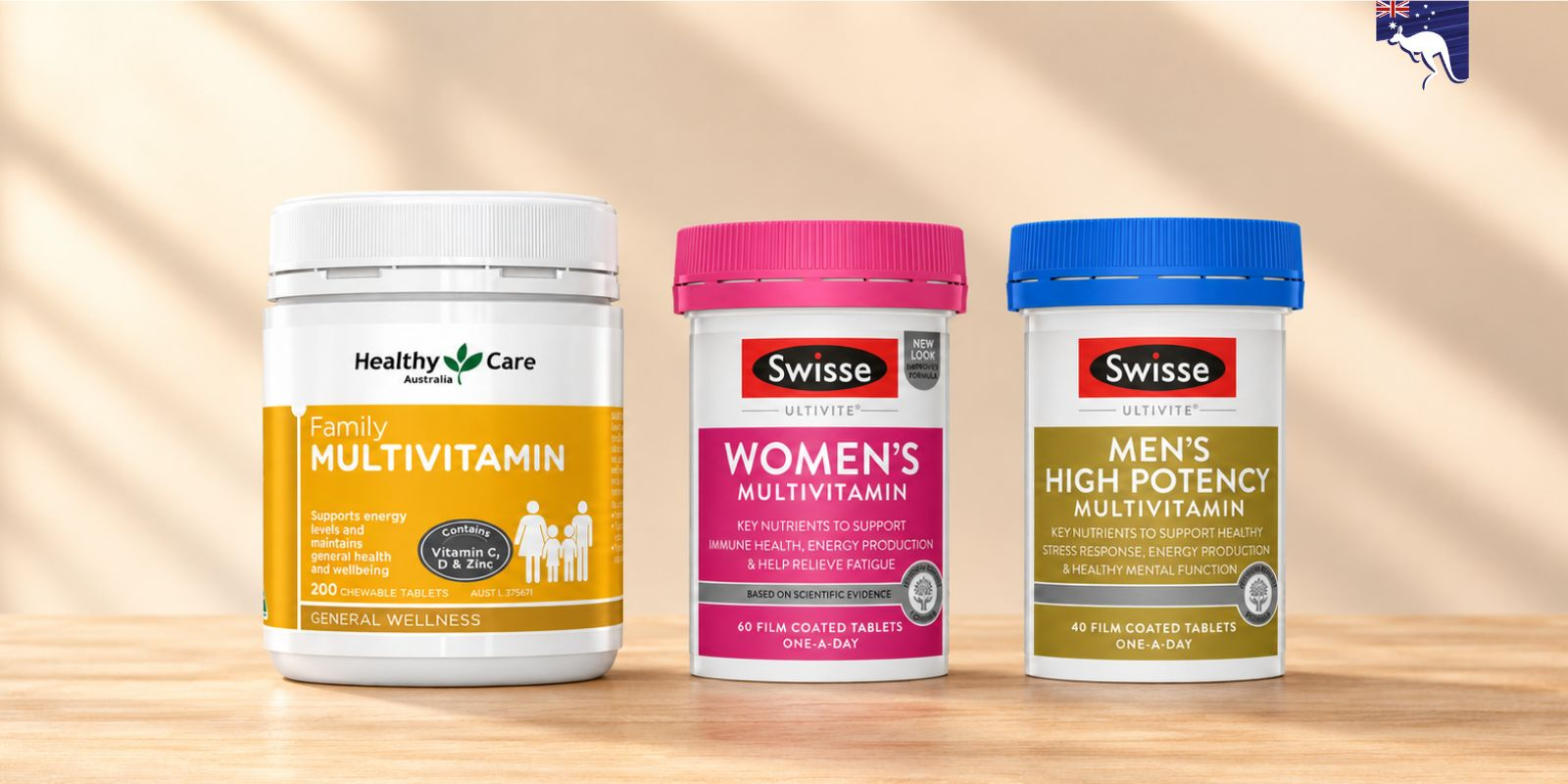
These are label comparisons, not a ranking of infection protection. The amounts below are per tablet on current Australian manufacturer pages; check the pack supplied to you because formulas can change.
| Product | What to compare |
|---|---|
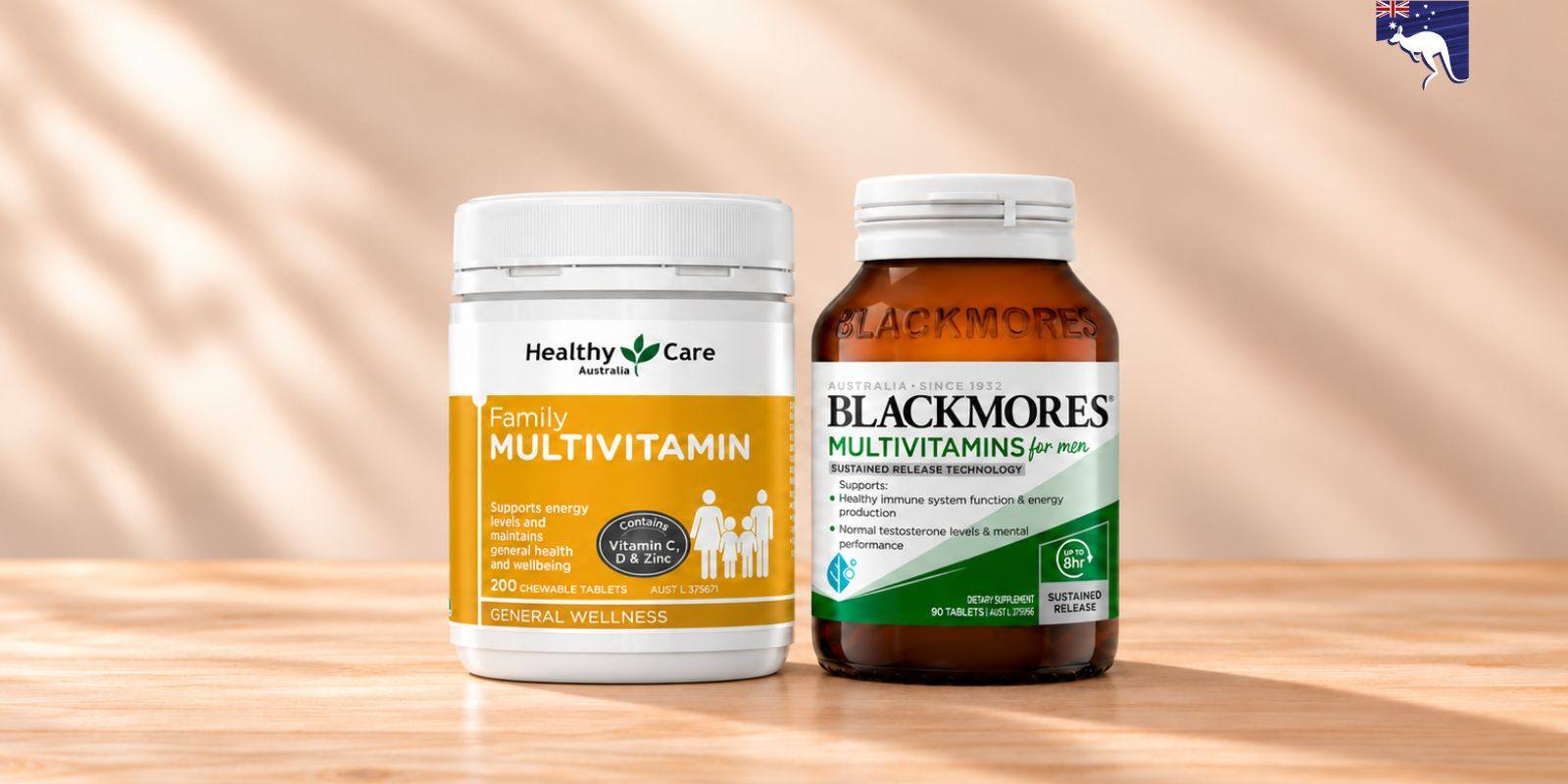
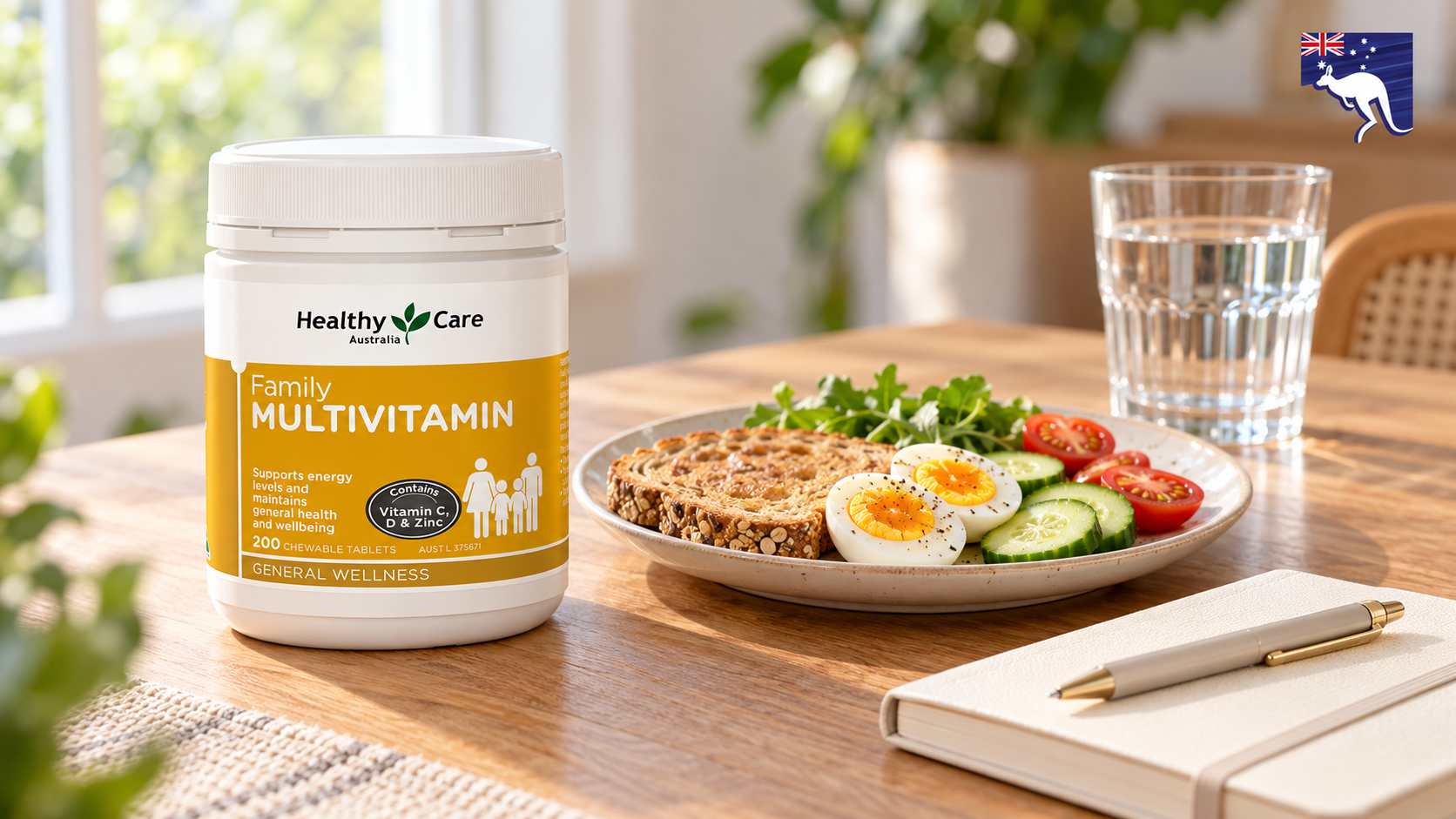
| Healthy Care Family Multivitamin | A chewable option with vitamin C 72.75 mg, vitamin D3 10 micrograms and zinc 1.5 mg per tablet. Adult directions are 1–2 tablets daily. Contains gluten, soya and sulfites. |
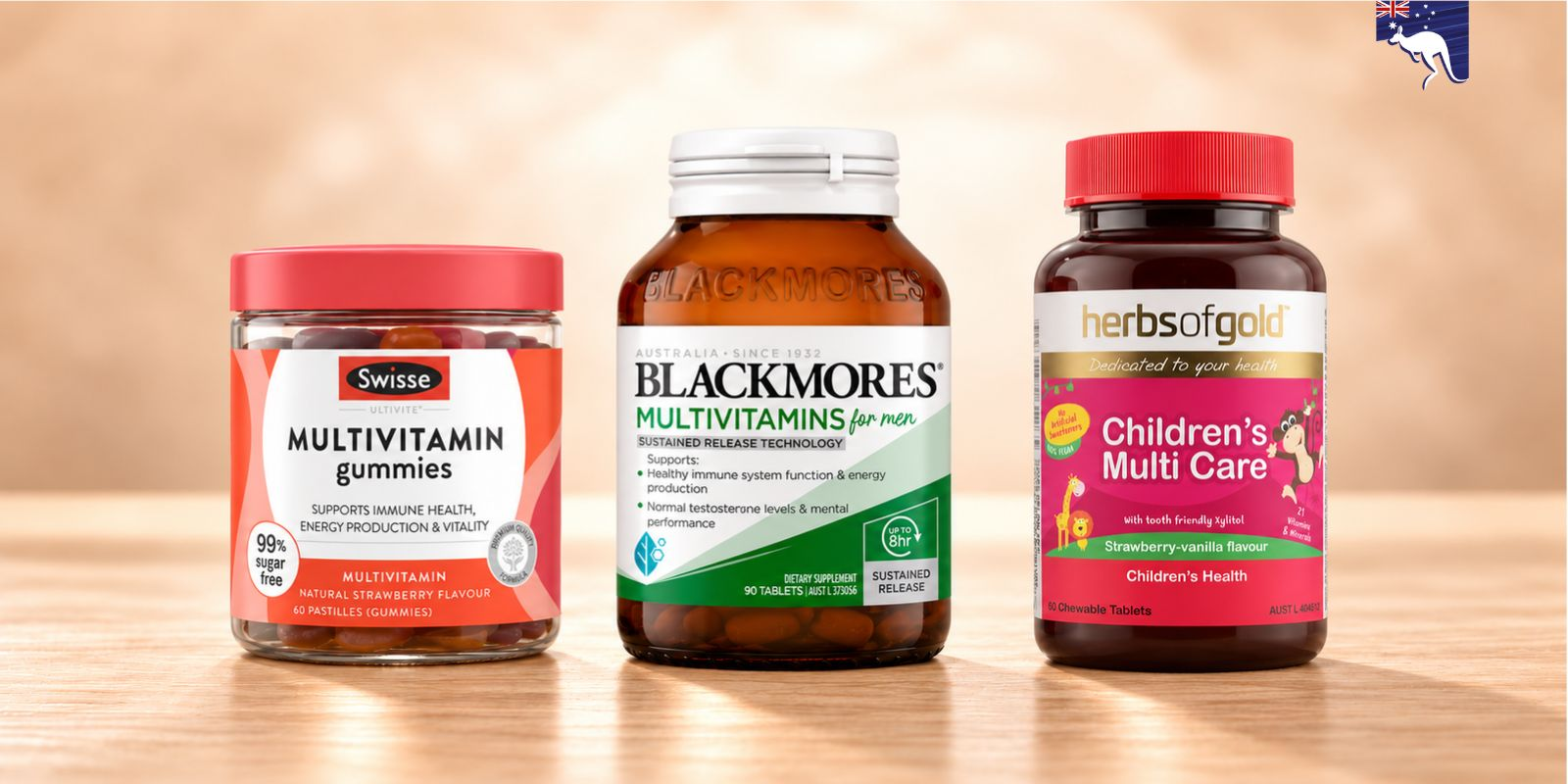
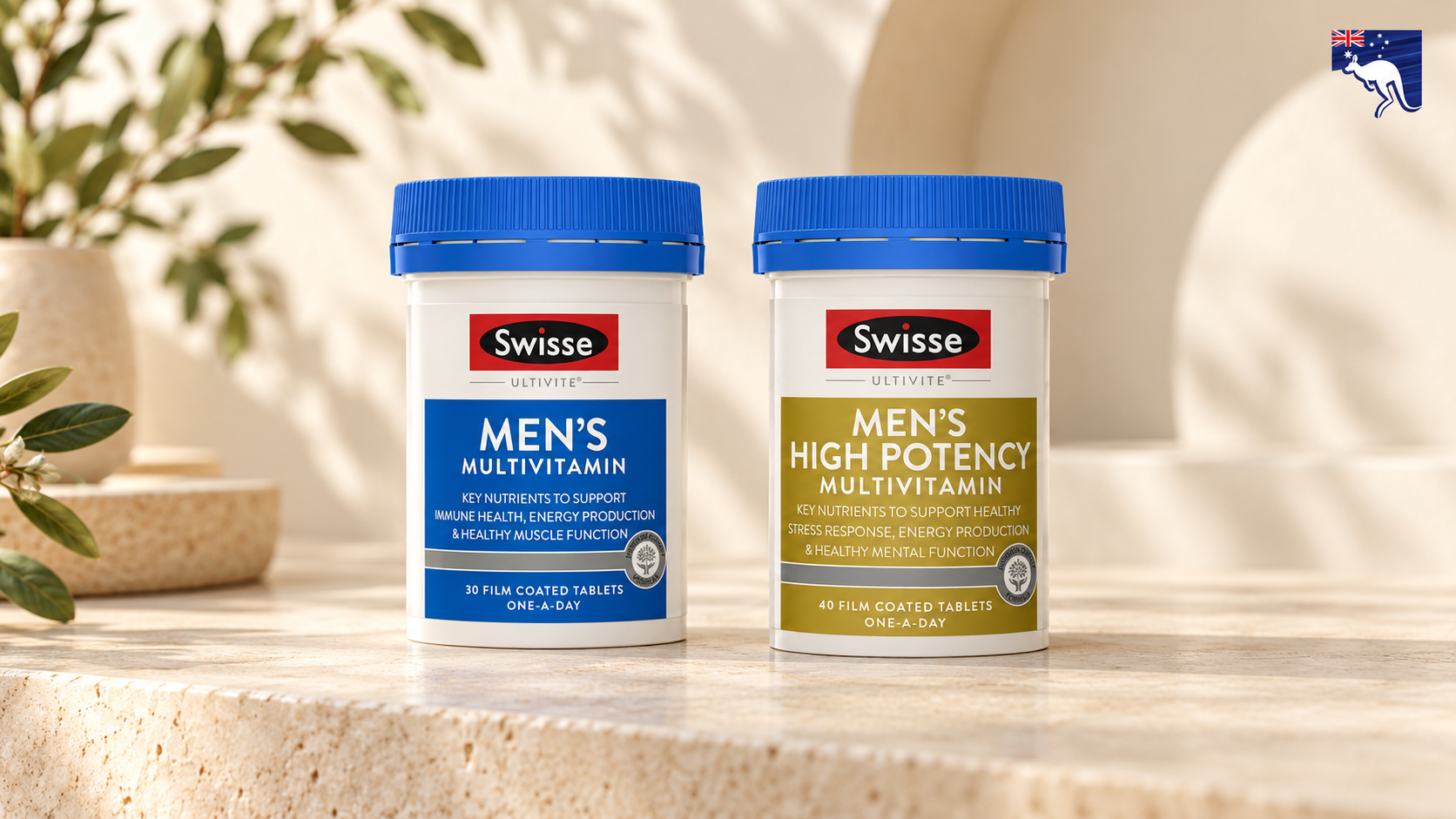
| Swisse Men's High Potency | An adult tablet with vitamin D3 25 micrograms and zinc 8 mg. The label specifies one daily with food and lists vitamin B6 50 mg. |
| Swisse Women's High Potency | An adult tablet with vitamin D3 25 micrograms and zinc 6 mg, taken once daily with food. Its Vitex ingredient can affect hormonal medicines, including oral contraceptives. |
Both Swisse formulas contain soya and phenylalanine. All three carry vitamin A pregnancy precautions and vitamin B6 warnings: stop and seek professional advice for tingling, burning or numbness. Review the full Healthy Care, Swisse men's and Swisse women's warnings before choosing.

Healthy Care Family Multivitamin
Healthy Care Family Multivitamin 200 chewable tablets in Bangladesh. Compare price, adult and child directions, pack duration and vitamin precautions.
Check the total before adding another immune supplement
A multivitamin, zinc tablet and cold lozenge can all contribute to the same daily total. For example, 15 mg of zinc from one supplement plus 30 mg from another already exceeds the adult upper limit of 40 mg a day, even before food. That limit includes all sources and is not a daily target; medically supervised treatment is different.
Long-term excess zinc can reduce copper levels and impair immunity. Check ingredient amounts across your products with a pharmacist instead of adding an extra “immune” formula by default. NIH zinc safety guidance explains these risks.
What matters during Bangladesh's seasonal infections?
Keep infection prevention separate from supplement shopping. Hand hygiene, cleaner indoor air and appropriate vaccinations help reduce respiratory illness risk. Ask your healthcare provider which vaccinations fit your circumstances; CDC prevention guidance outlines these measures.
For dengue, avoiding mosquito bites is central. An immunity multivitamin does not replace mosquito protection or assessment of fever. Severe abdominal pain, persistent vomiting or bleeding require immediate medical care, including when fever has started to settle. These are WHO dengue warning signs.
Choose your next step around the actual problem: improve a limited diet, review a documented deficiency, or get an infection assessed. A supplement purchase should follow that decision.