Immune Support Supplements in Bangladesh: What the Evidence and Labels Actually Say
Learn how to compare vitamin, mineral and herbal immune-support supplements in Bangladesh without falling for “immune booster” claims.
“Boost immunity” is one of the most common supplement claims in Bangladesh. It is also one of the easiest phrases to misunderstand. The immune system is not a single switch that becomes “stronger” every time someone takes vitamin C, zinc, garlic, propolis or another product. Nutrients support normal immune function when the body has adequate intake. Herbal products may have traditional-use or limited evidence for specific outcomes. But a supplement does not turn a healthy person into someone who cannot catch infections.
This guide explains how to compare immune-support supplements more realistically.
Start with the reason you are shopping
People search for immune supplements for different reasons:
- frequent colds
- poor diet
- vitamin deficiency concern
- winter/seasonal illness
- stress and lack of sleep
- recovery from illness
- general prevention
Those are not the same problem. Persistent or unusually frequent infections may need medical assessment.
Nutrient support vs “immune booster”
Vitamins and minerals involved in normal immune function include:
- vitamin C
- vitamin D
- zinc
- selenium
- vitamin A
- several B vitamins
If intake is inadequate, correcting the gap matters. That does not mean taking large amounts above need makes the immune system progressively stronger.
Vitamin C
Vitamin C contributes to normal immune function.
Supplement labels may use different:
- forms
- amounts
- tablets/capsules/powders
- combined formulas
Vitamin C is not a guaranteed way to prevent infection. High doses can cause gastrointestinal upset in some people.
Zinc
Zinc is essential for immune function. But excessive supplemental zinc can create problems, including copper deficiency with long-term high intake.
Check total zinc from:
- multivitamin
- immune formula
- separate zinc
- men’s/women’s formula
Do not stack them casually.
Vitamin D
Vitamin D is important for many body functions, including immune regulation. If deficiency is suspected, the useful question is whether intake or blood level is inadequate—not whether the bottle has the highest number. Very high vitamin D intake can be harmful.
Herbal immune products
Common products include:
- garlic
- olive leaf
- propolis
- echinacea in some markets
- elderberry in some markets
Evidence varies substantially. Do not treat the category name “immune” as proof.
Garlic
NCCIH notes that immune-related evidence is limited. Garlic has more research for modest effects on cholesterol and blood pressure than for preventing colds.
Olive leaf
Olive leaf is often standardized to oleuropein. Some Australian labels include traditional-use or general immune support wording. The research is not strong enough to claim it reliably prevents infection.
Propolis
Propolis is bee-derived and can cause allergic reactions. It may be used for antioxidant/general wellbeing positioning, but allergy risk should remain visible.
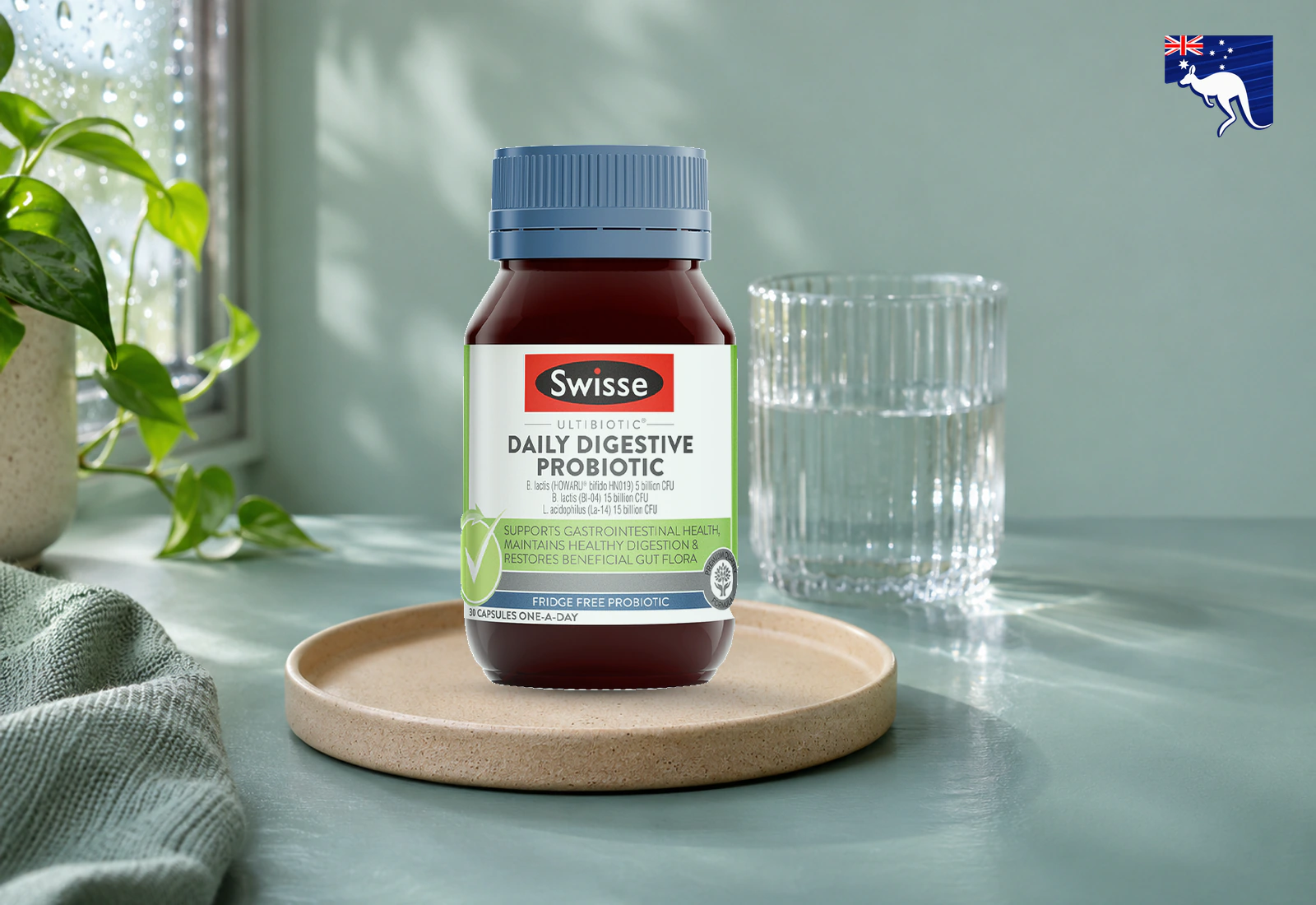
Probiotics
Some reviews suggest certain probiotics may influence respiratory-infection outcomes, but effects depend on strain and population and evidence quality varies. “Probiotic” is not one ingredient. A strain used in one study cannot automatically prove another strain works the same way.
Sleep, nutrition and vaccination matter more than supplement marketing
Immune health depends on broader factors:
- adequate food
- protein
- micronutrients
- sleep
- physical activity
- chronic disease management
- vaccination where recommended
- smoking status
- stress
- age
Supplements cannot compensate for all of these.
When an immune supplement may make sense
A supplement may be reasonable when:
- diet is inadequate
- a nutrient deficiency is confirmed or likely
- a regulated product fits the person’s needs
- a clinician has recommended it
- the goal is realistic
When it is not the right first step
Seek medical care rather than buying another “immune booster” for:
- repeated severe infections
- unexplained fever
- weight loss
- persistent swollen lymph nodes
- shortness of breath
- ongoing fatigue with other symptoms
- suspected immune deficiency
- infection in a high-risk person
How to compare immune supplements in Bangladesh
Step 1: Identify the active ingredient. Step 2: Check the daily serving. Step 3: Check whether you already take the same nutrient elsewhere. Step 4: Check evidence level. Step 5: Check medicine interactions and allergies. Step 6: Check authenticity, batch, seal and expiry.
Beware of these claims
Be cautious with:
- “never get sick again”
- “kills all viruses”
- “replaces vaccines”
- “cures flu”
- “100% no side effects”
- “clinically proven” without a product-specific study
Frequently asked questions
What is the best immunity supplement in Bangladesh?
There is no one best product for every person. The choice depends on diet, deficiency risk, medical history and the active ingredient.
Is vitamin C enough?
Vitamin C is one part of normal nutrition, not a complete immune strategy.
Should I take zinc every day?
Only when appropriate for your intake and label. Long-term excessive zinc can be harmful.
Are herbal immune supplements safer than vitamins?
Not automatically. Herbs can cause allergy, interactions and side effects.
Can supplements prevent flu?
No supplement should be promoted as a replacement for evidence-based prevention and medical care.
Can an immune supplement stop me catching colds?
No supplement can make that guarantee.
Is more vitamin C always better?
No. Higher doses can cause gastrointestinal effects and are not automatically more effective.
Should I take several immune products together?
Usually not without checking duplication.
Bottom line
The best immune-support decision is usually less dramatic than the marketing. Use supplements to address a plausible nutritional or wellness need—not to chase exaggerated “boost” claims.
Related reading
Sources and label references
Manufacturer sources describe product ingredients and directions; they are not independent proof of clinical benefit. Formula details can change, so compare the current physical pack.
This guide provides general information, not a diagnosis or an individual treatment plan. Discuss pregnancy, children’s health, persistent symptoms, medicine interactions and supplement choices with an appropriately qualified healthcare professional.