How to Support Digestion After Heavy Meals
Support digestion after heavy meals with simple habits, gentle walking, hydration, probiotics, digestive enzymes, and safe gut health tips for Bangladesh.
Heavy meals are common during Eid, family dawats, weddings, weekend restaurant plans, and busy food routines in Bangladesh. Rich meat dishes, biryani, kacchi, oily food, spicy meals, soft drinks, sweets, late-night eating, and eating too quickly can make your stomach feel heavy, bloated, gassy, or uncomfortable. This guide explains heavy meal digestion support in a simple way — what to do after eating too much, which habits may help, what to avoid, when supplements may support digestive comfort, and when you should seek medical advice.
Quick Navigation – Heavy Meal Digestion Support Guide
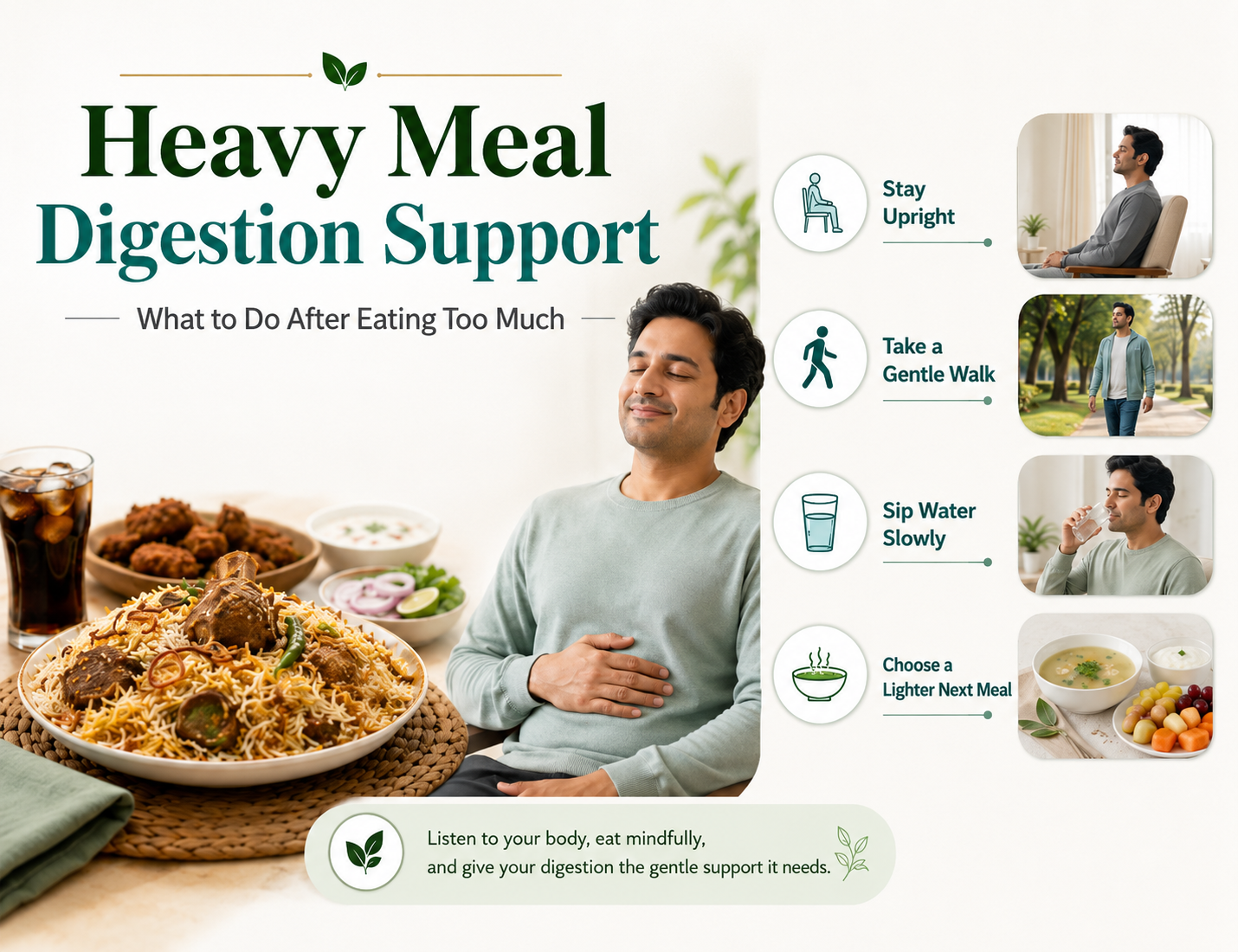
Heavy meal digestion support starts with simple habits: eat slowly, chew properly, stay upright, walk gently, sip water, avoid soft drinks, and keep your next meal lighter.
Quick Answer: What to Do After Eating Too Much
After eating too much, stay upright, avoid lying down, take a gentle walk, sip water slowly, avoid carbonated drinks, and keep your next meal light. If bloating, gas, stomach heaviness, or digestive discomfort happens often, probiotics, prebiotics, digestive enzymes, and gut health supplements may support digestive comfort when used as directed.
Fast Practical Tip:
After an Eid meal, dawat meal, biryani, kacchi, beef, roast, or oily food, do not lie down immediately. Sit upright, walk gently for 10–15 minutes, sip water slowly, and avoid another heavy meal late at night.
Why Heavy Meals Feel Uncomfortable
After a heavy meal, your digestive system has to work harder to break down protein, fat, carbohydrates, spices, and mixed foods together. This can make the stomach feel full, tight, heavy, or slow. Some people may also feel gas, bloating, burping, acidity, or sleepiness after eating too much.
In Bangladesh, this is very common during Eid-ul-Adha, weddings, family gatherings, late-night dinners, office parties, and weekend restaurant meals. Foods like beef, kacchi, biryani, roast, bhuna, fried snacks, soft drinks, and sweets can feel heavier when eaten quickly or in large portions.
Common reasons digestion feels slow after a heavy meal
- Eating too much in one sitting.
- Eating very fast without chewing properly.
- Too much oily, spicy, or rich food.
- Drinking carbonated drinks with meals.
- Lying down soon after eating.
- Eating late at night and sleeping immediately.
- Long gaps between meals followed by overeating.
Common Signs After Eating Too Much
Occasional heaviness after a big meal is common. But your body gives signals when your meal was too large, too rich, or not eaten in a comfortable way.
- Stomach heaviness or fullness.
- Bloating or tight stomach feeling.
- Gas, burping, or mild discomfort.
- Acidic feeling or heartburn.
- Sleepiness or sluggishness after eating.
- Feeling uncomfortable when lying down.
- Irregular bowel movement after rich food.
Practical Note:
These signs can happen after occasional overeating, but frequent bloating, acidity, pain, vomiting, diarrhea, constipation, or weight loss should not be ignored. If symptoms continue or become severe, consult a qualified healthcare professional.
Simple After-Meal Routine for Better Digestive Comfort
You do not need a complicated routine after a heavy meal. Small habits can make a big difference in how comfortable your stomach feels. Here is a practical routine you can follow after Eid meals, dawat meals, restaurant meals, or any rich home-cooked meal.
| Time | What to Do | Why It Helps |
|---|---|---|
| During meal | Eat slowly and chew properly | Helps the stomach handle food more comfortably |
| Right after meal | Sit upright | Helps reduce discomfort from lying down too soon |
| 15–30 minutes later | Take a gentle walk | Supports natural movement and comfort |
| Evening | Sip water slowly | Supports hydration without overloading the stomach |
| Next meal | Choose lighter food | Gives the digestive system a more comfortable routine |
Practical Takeaway:
After eating too much, do not panic or take random products. Start with simple steps: sit upright, walk slowly, sip water, avoid lying down, and keep the next meal lighter.
Foods & Drinks That May Help After Heavy Meals
Food should be your first support. After a rich meal, choose simple and lighter options that feel comfortable for your body.
- Plain water: Helps hydration and daily digestive function.
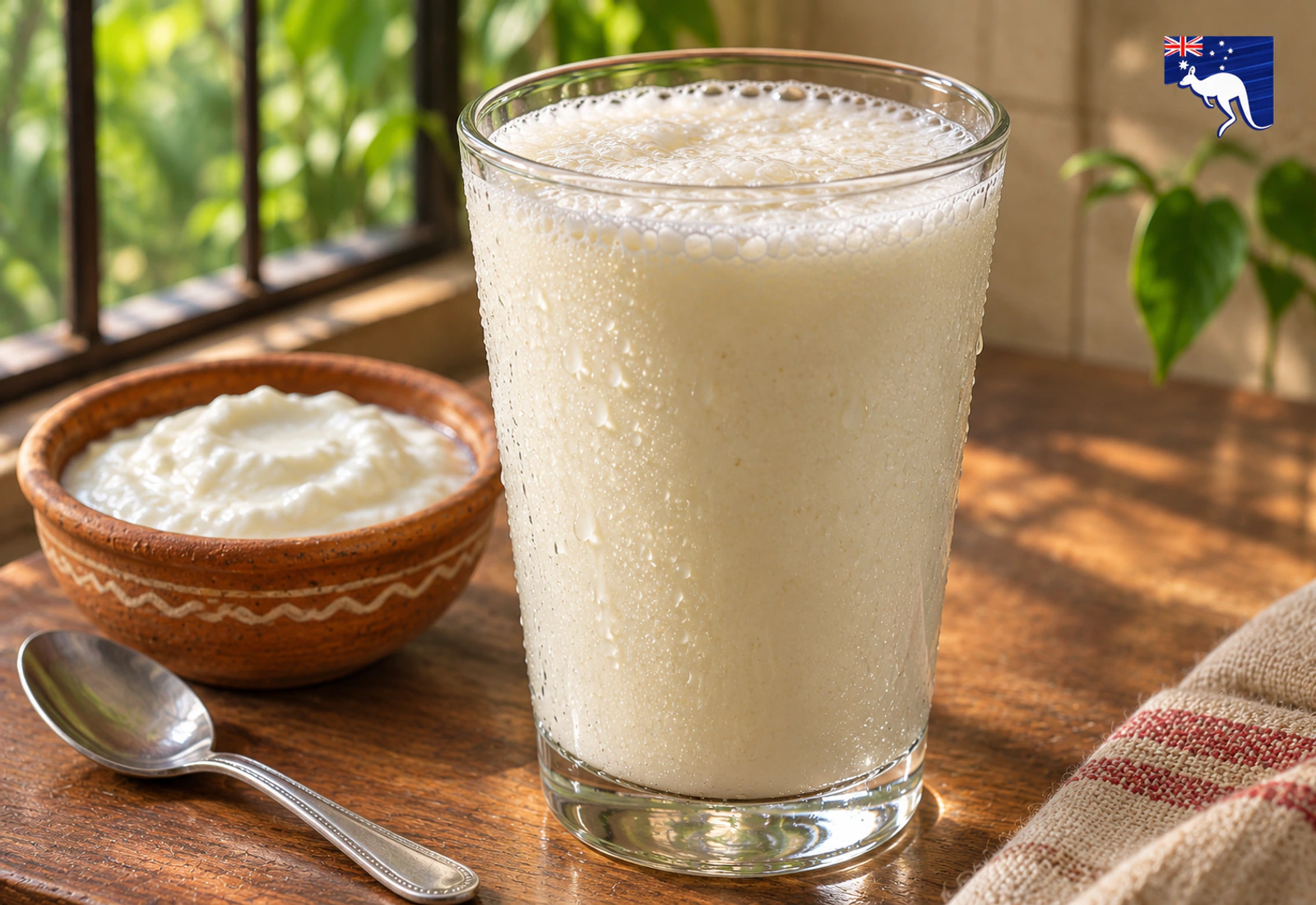
- Plain yogurt: A simple fermented food option for many people.
- Vegetables: Add fiber and balance to meat-heavy meals.
- Fruits: Papaya, banana, guava, or citrus fruits can fit into a balanced routine.
- Light soup: Useful when you want something warm but not too heavy.
- Oats or whole grains: Can support a more regular food routine when used consistently.
Everyone’s digestive tolerance is different. If a specific food makes your acidity, gas, or bloating worse, avoid that trigger and choose what feels comfortable for you.
Foods & Habits to Limit After Heavy Meals
Some foods and habits can make the stomach feel heavier, especially after you already had a rich meal.
- Very oily or deep-fried foods.
- Too much spicy or rich gravy.
- Soft drinks and fizzy drinks.
- Too much tea or coffee right after eating.
- Eating sweets immediately after a very heavy meal.
- Lying down right after eating.
- Eating another heavy meal late at night.
Digestive Supplements in Bangladesh: When Can They Help?
Food habits should always be the foundation. But some adults may choose digestive support supplements when they regularly feel heavy, bloated, gassy, or uncomfortable after meals. Digestive enzymes, probiotics, prebiotics, and gut comfort powders may support different digestive needs.
Supplements should be used as part of a balanced routine, not as a replacement for medical care. If your symptoms are frequent, severe, painful, or long-term, it is safer to consult a healthcare professional.
Who may consider digestive support supplements?
- Adults who often feel heavy after rich meals.
- People with occasional bloating after mixed meals.
- Adults with irregular meal timing and low fiber intake.
- People who want daily gut balance support.
- People who dislike random home remedies and want a more structured routine.
1) Nutra Life Digestive Enzymes – Heavy Meal & Mixed Food Digestion Support
What it does: Nutra Life Digestive Enzymes is designed to help break down proteins, fats, carbohydrates, and lactose, making it a practical option for adults who feel heavy after mixed meals.
- Why Buy This: It contains plant-sourced digestive enzymes and is positioned for bloating, heaviness, and digestive discomfort after meals.
- Best for: Adults who often eat mixed meals with meat, rice, dairy, oily food, or rich dishes and want meal-time digestive support.
- How to Take: Follow the product label. The product page recommends taking with meals, ideally at the start of eating.
Best fit after rich meals: A smart choice when your main concern is heaviness after mixed foods like meat, rice, fat, and dairy.

2) Nutra Life Gut Relief – Bloating & Gut Comfort Powder
What it does: Nutra Life Gut Relief is a gut support powder made for adults who want support for bloating, gut irritation, and everyday digestive comfort.
- Why Buy This: It combines prebiotics, nutrients, and plant extracts such as Slippery Elm, Marshmallow, Aloe Vera, Acacia, Glutamine, Pectin, Quercetin, Curcumin, and Zinc.
- Best for: Adults who feel bloated, tight, heavy, or uncomfortable after oily meals, irregular meals, or low-fiber routines.
- How to Take: Follow the label direction. The product page recommends 1 level scoop once daily before a meal, mixed with chilled water.
Prefer powder over capsules? This is a practical gut comfort option for adults who want an easy daily mix-and-drink routine.

3) Nutra Life ProBiotica Extra Care – High-Strength Gut Microbiome Support
What it does: Nutra Life ProBiotica Extra Care is a high-strength probiotic formula made to support gut microbiome balance, especially during digestive disruption, travel, or antibiotic use.
- Why Buy This: It provides 75 Billion CFUs from 6 probiotic strains, includes HOWARU®, and contains Inulin prebiotics for enhanced gut support.
- Best for: Adults who want a short, targeted probiotic course for gut balance, digestive comfort, travel routine, or after antibiotic use.
- How to Take: Follow label directions. The product page recommends 1 capsule daily with food.
Best for gut balance support: A strong choice when your goal is microbiome support, especially after disruption or travel-heavy routines.

4) Swisse Probiotic + Prebiotic Gummies – Easy Daily Digestive Balance Support
What it does: Swisse Probiotic + Prebiotic Gummies are an easy-to-chew probiotic and prebiotic option designed to support healthy digestion and gut balance.
- Why Buy This: Each daily serve provides 3 billion CFU probiotics and chicory-root prebiotic fibre, with no added sugar or artificial sweeteners.
- Best for: Adults who do not like capsules or powders and want a simple fridge-free daily gut support routine.
- How to Take: Follow the label direction. The product page recommends chewing 2 gummies daily.
Want the easiest routine? Gummies can make daily probiotic support simpler for busy adults who dislike capsules.

When Should You See a Doctor?
Occasional heaviness after a large meal is common. But some symptoms need professional medical advice, especially if they are severe, frequent, or unusual for you.
- Severe or repeated stomach pain.
- Chest pain, breathing difficulty, or pain spreading to arm or jaw.
- Vomiting blood or black stool.
- Unexplained weight loss.
- Difficulty swallowing.
- Frequent acidity or indigestion that keeps coming back.
- Long-term constipation, diarrhea, or bloating.
- Digestive symptoms during pregnancy or while taking regular medicine.
Final Thoughts
Heavy meal digestion support is mostly about smart habits. Eat slowly, choose moderate portions, stay upright, walk gently, sip water, and keep your next meal lighter. During Eid, weddings, or dawat meals, these small steps can help you feel more comfortable without making your routine complicated.
If you often feel bloated, heavy, or uncomfortable after meals, digestive support supplements may be helpful as part of a balanced lifestyle. Choose authentic products, follow label directions, and seek medical advice if symptoms are severe or ongoing.
Looking for Authentic Digestive Support Supplements in Bangladesh?
Choose original imported gut health, probiotic, prebiotic, and digestive support supplements from trusted Australian and New Zealand brands, stored with care and delivered across Bangladesh.
Safety Note
- Supplements are not medicines.
- They are not intended to diagnose, treat, cure, or prevent disease.
- Digestive supplements should not replace balanced meals, enough water, fiber intake, sleep, or medical care.
- Pregnant or breastfeeding women, people taking medication, people with allergies, and people with medical conditions should consult a healthcare professional before using any digestive support supplement.
- If bloating, acidity, pain, vomiting, constipation, diarrhea, or digestive discomfort continues, seek professional medical advice.
- Always follow the product label and do not exceed the recommended dose.
Frequently Asked Questions (FAQs)
1. What should I do after eating too much?
After eating too much, stay upright, avoid lying down, take a gentle walk, sip water slowly, avoid soft drinks, and keep your next meal lighter. These simple habits may help reduce stomach heaviness and digestive discomfort.
2. What helps digestion after a heavy meal?
Eating slowly, chewing properly, walking gently, drinking water slowly, and avoiding another oily or rich meal may support digestion after a heavy meal. Do not rush to take random remedies without understanding your symptoms.
3. What to do after eating biryani, kacchi, or beef-heavy food?
After eating biryani, kacchi, beef, roast, or oily food, sit upright, walk slowly for 10–15 minutes, avoid soft drinks, and keep dinner lighter if lunch was heavy. This is a practical digestion support routine for common Bangladeshi heavy meals.
4. Is walking good after eating a heavy meal?
Yes, a short gentle walk after eating may support comfort and reduce the feeling of heaviness. Avoid intense exercise right after a heavy meal because it may make some people feel more uncomfortable.
5. Should I lie down after a heavy meal?
It is better not to lie down immediately after a heavy meal. Staying upright for 1–2 hours may help reduce acidity, reflux, and stomach discomfort for some people.
6. Why do I feel bloated after eating oily or spicy food?
Oily, spicy, rich, or large meals can feel harder to digest and may cause bloating, gas, burping, or stomach heaviness. Eating too fast, drinking soft drinks, and lying down after meals can make the discomfort worse.
7. What should I eat after a heavy lunch?
After a heavy lunch, choose a lighter dinner such as vegetables, soup, yogurt, fruit, or a simple home meal. Avoid another oily, spicy, or rich meal late at night.
8. Are probiotics good for digestion support?
Probiotics may support gut bacteria balance and daily digestive comfort for some adults. They can be useful as part of a regular gut health routine, but they should not replace balanced meals or medical advice.
9. Do digestive enzymes help after heavy meals?
Digestive enzyme supplements are designed to help break down food components such as protein, fat, carbohydrates, or lactose. They may be helpful for adults who often feel heavy after mixed meals, but they should be used according to the product label.
10. When should I see a doctor for indigestion or bloating?
See a doctor if indigestion, bloating, acidity, vomiting, constipation, diarrhea, or stomach pain is frequent, severe, long-lasting, or unusual for you. Seek urgent medical help if you have chest pain, black stool, vomiting blood, unexplained weight loss, or difficulty swallowing.
References & Scientific Sources
This article is written for educational and general informational purposes using cautious nutrition and supplement language, established digestive health references, and product information from Australian Goods Bangladesh.
Medical Disclaimer
This article is for educational and general informational purposes only. It does not diagnose, treat, cure, or prevent disease, and it should not replace medical advice. Supplements are not medicines. If you are pregnant, breastfeeding, under medical care, taking prescription medicine, allergic to any ingredient, or managing a digestive condition, consult a qualified healthcare professional before starting any digestive support supplement. Australian Goods Bangladesh is a retailer, not a medical service provider.