Gut Health and Weight Loss: What's The Connection?
Gut health plays a major role in weight loss, digestion, and daily energy. If you struggle with bloating, cravings, or slow metabolism, your gut balance may be the missing factor. This guide explains how gut bacteria influence fat storage and appetite, along with practical tips to improve digestion. Discover how food, daily habits, and trusted supplements in Bangladesh can support gut health.
Weight gain, bloating, slow digestion, and constant cravings are very common problems in Bangladesh. Many people try dieting and exercise but still struggle to lose weight. One hidden factor behind this is gut health. Your gut bacteria play a major role in digestion, metabolism, and fat storage. In this guide, we explain the connection between gut health and weight loss in a simple, practical way so you can understand what your body actually needs.
What Is Gut Health?
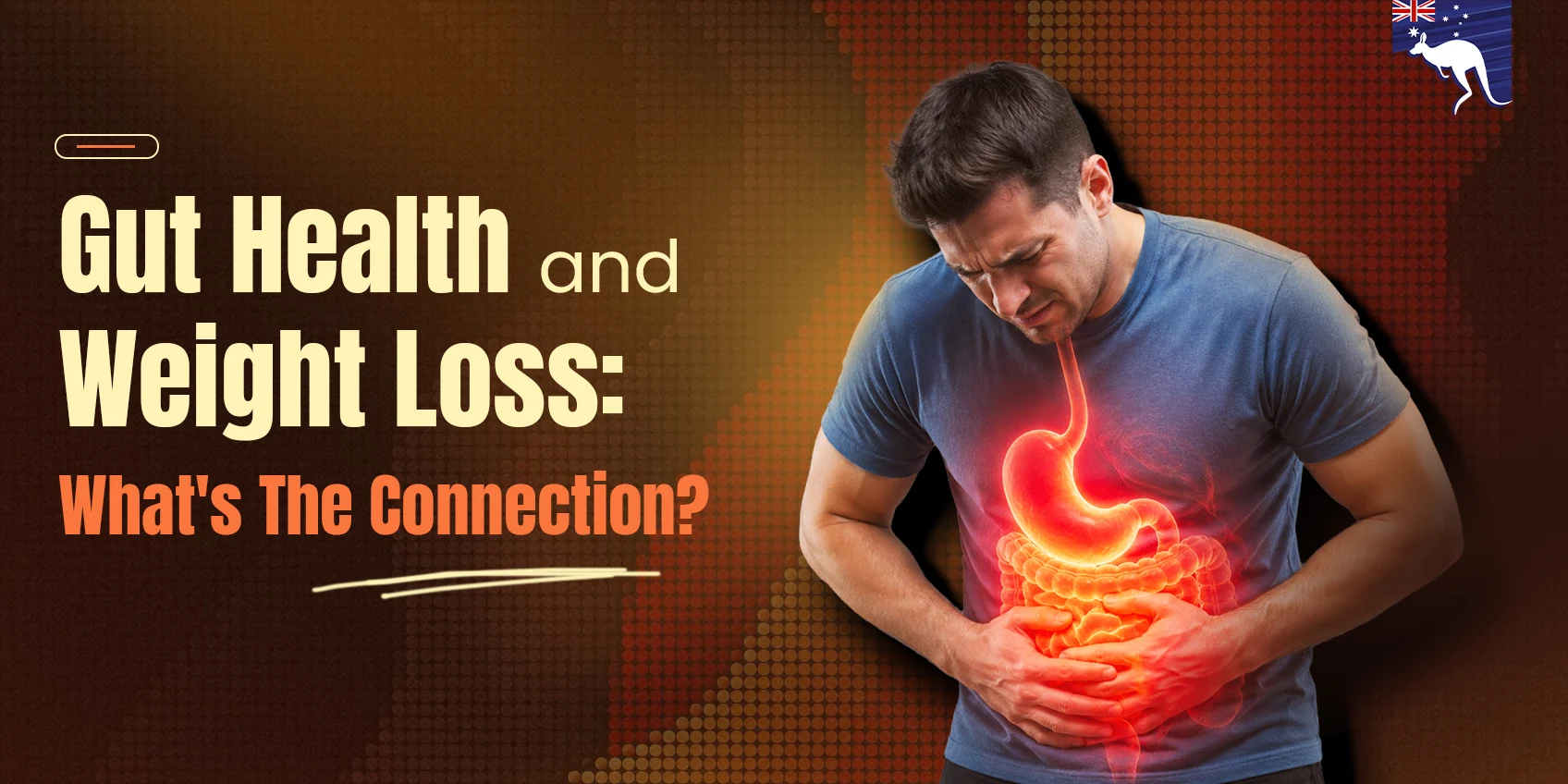
Gut health means how well your digestive system works and how balanced your gut bacteria are. Your gut contains trillions of bacteria, often called the gut microbiome. Some bacteria support digestion and wellness, while others can create problems when they grow too much.
A healthy gut helps your body digest food, absorb nutrients, support immunity, manage appetite, and maintain energy. When gut balance becomes poor, many people notice bloating, gas, constipation, cravings, low energy, and weight management problems.
Why Gut Health Matters in Bangladesh
- Irregular meal timing and late-night eating.
- Too much oily, spicy, fast food, and processed food.
- Low fiber intake from vegetables, fruits, and whole grains.
- Stress, poor sleep, and long sitting hours.
- Unnecessary antibiotic use, which can disturb gut bacteria.
How Gut Health Affects Weight Loss
Weight loss is not only about eating less. Your gut also affects how your body digests food, manages hunger, stores fat, and uses energy. This is why two people can follow a similar diet but get different results.
1. Gut Bacteria and Metabolism
Some gut bacteria may extract more energy from food. When your gut bacteria are imbalanced, your body may become more likely to store extra calories as fat.
2. Hunger Hormones and Cravings
Your gut communicates with hunger hormones such as ghrelin and fullness signals such as leptin. Poor gut balance may increase cravings, especially for sugar, snacks, and processed foods.
3. Inflammation and Belly Fat
Poor gut health may contribute to low-grade inflammation. Over time, this can make weight management harder and may increase belly-fat storage.
4. Digestion and Nutrient Absorption
Weak digestion can reduce nutrient absorption. When your body does not feel properly nourished, you may feel tired, hungry, and more likely to overeat.
Practical Takeaway:
A healthy gut can support better digestion, appetite control, energy, and weight management. It is not a magic fat-loss shortcut, but it can make your routine work better.
Signs Your Gut Health May Be Affecting Your Weight
Poor gut health does not always look serious at first. Many people ignore small digestive signs until they become regular problems.
- Bloating after meals.
- Gas, heaviness, or stomach discomfort.
- Constipation or irregular bowel habits.
- Unexplained weight gain.
- Frequent sugar cravings.
- Low energy after eating.
- Skin dullness or occasional breakouts.
Bangladesh Lifestyle Note:
Late-night biryani, fried snacks, sugary tea, low water intake, and long sitting hours can all make gut imbalance and weight issues worse.
Best Foods for Gut Health and Weight Loss
Probiotic Foods
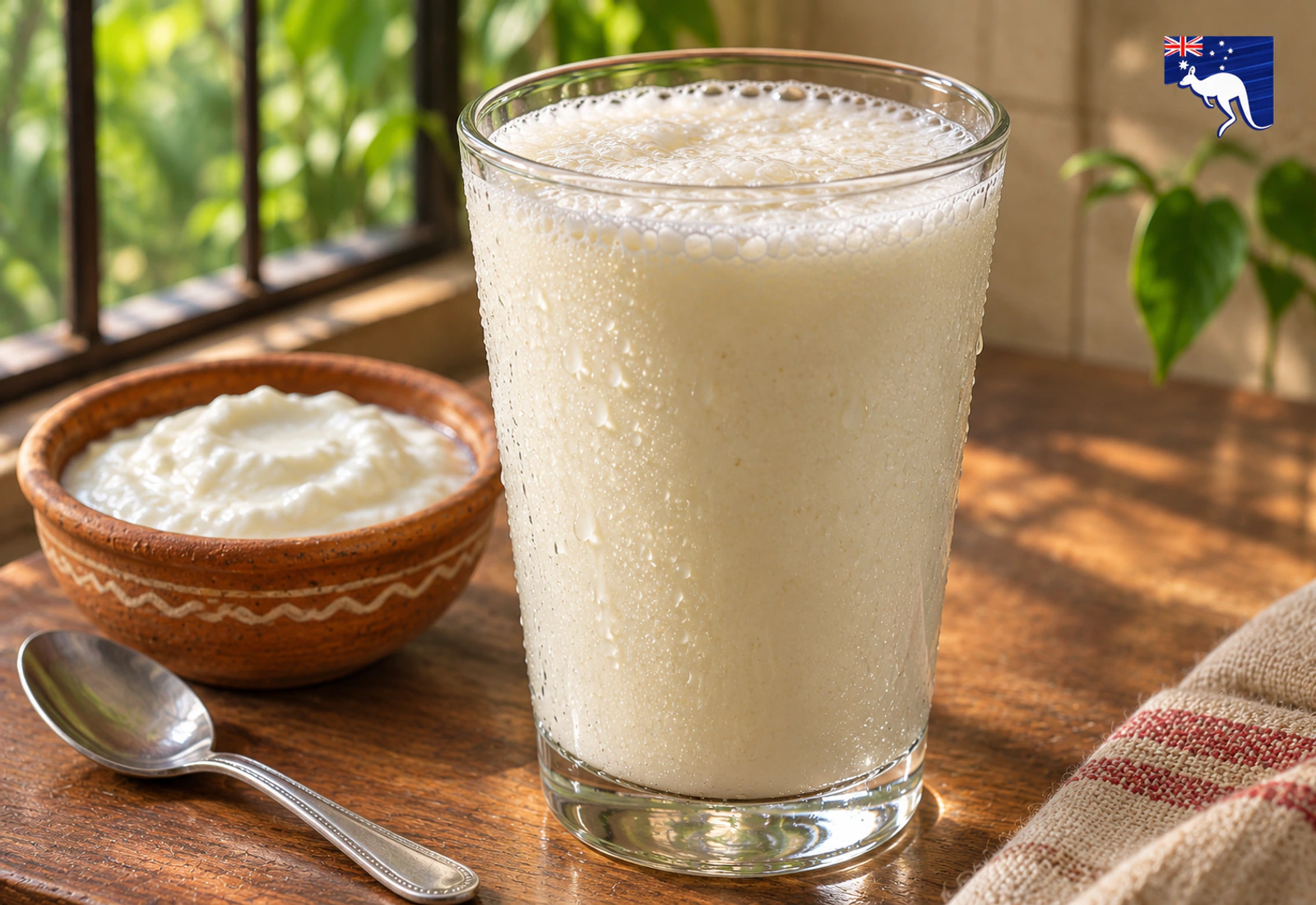
Probiotic foods contain good bacteria. Yogurt or doi is one of the easiest options in Bangladesh. It may support gut balance when taken regularly as part of a healthy diet.
Prebiotic Foods
Prebiotics are food for good bacteria. Banana, garlic, onion, oats, and some vegetables help support a better gut environment.
Fiber-Rich Foods
Vegetables, fruits, lentils, whole grains, and seeds help improve digestion and keep you full for longer. This can support appetite control and weight management.
Enough Water
Low water intake can slow digestion and make constipation worse. Drinking enough water is one of the simplest gut-health habits.
Supplements That Support Gut Health & Weight Loss
Food should always be the first step, but supplements can help when your diet is irregular, fiber intake is low, or bloating and digestion problems happen often. For gut health and weight management, probiotics, prebiotics, and digestive support products are the most relevant choices.
Recommended Gut Health Products for Weight Management Support
If your goal is better digestion, less bloating, improved gut balance, and weight support, these options are the best match from Australian Goods Bangladesh.
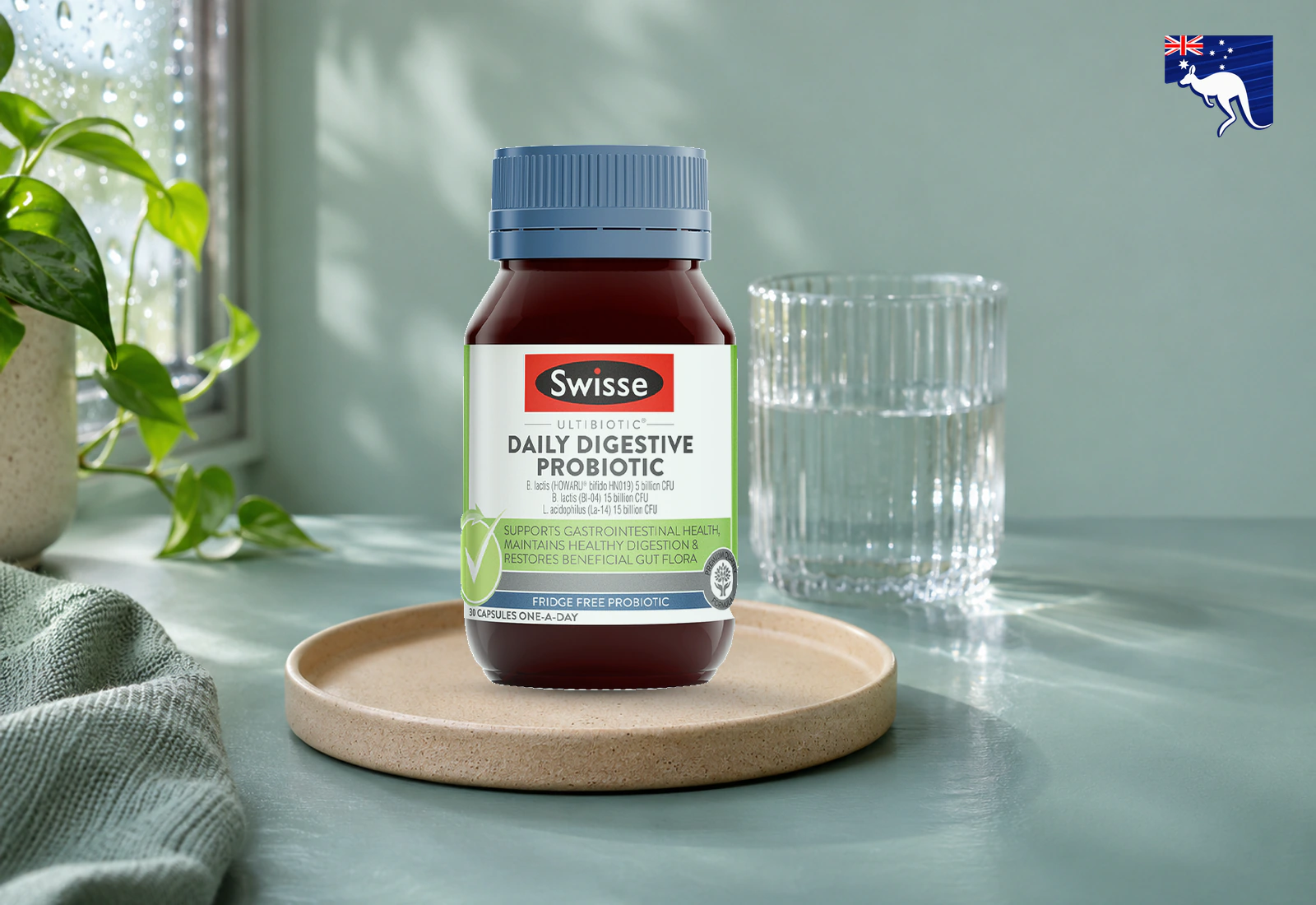
Swisse Ultibiotic Daily Digestive Probiotic: The Everyday Gut Balance Choice
What it is: Swisse Ultibiotic Daily Digestive Probiotic is a daily probiotic formula designed to support healthy digestion, gut flora balance, bowel regularity, and digestive comfort.
- Why Buy This: It is a strong daily probiotic option for people who want gut balance support from a trusted Australian brand.
- Best For: Adults with bloating, irregular digestion, poor gut balance, or those starting a daily probiotic routine.
- How to take: Follow the product label or your healthcare professional’s advice.
Want to start with the foundation? A daily probiotic is one of the simplest ways to support gut balance before focusing on weight management.

Swisse Probiotic + Prebiotic Gummies: The Easy Daily Gut Support Option
What it is: Swisse Probiotic + Prebiotic Gummies combine probiotics with prebiotic support in an easy gummy format.
- Why Buy This: It is useful for people who do not like capsules and want a simple, tasty gut health routine.
- Best For: Busy adults, beginners, people with low fiber intake, and those who want a gentle daily probiotic + prebiotic option.
- How to take: Follow the product label. Do not exceed the recommended serving.
Struggle to stay consistent? Gummies can make gut support easier to follow every day, especially for people who avoid capsules.

Nutra Life ProBiotica Daily Health: The Daily Digestive & Immune Support Option
What it is: Nutra Life ProBiotica Daily Health is a daily probiotic supplement designed to support digestive health, gut balance, and everyday wellness.
- Why Buy This: It fits people who want daily probiotic support from Nutra Life, especially when digestion and immune support are both priorities.
- Best For: Adults with regular digestive discomfort, weak gut balance, or people who want a daily gut-support routine.
- How to take: Follow the product label or your healthcare professional’s advice.
Want daily gut support with a wellness angle? This is a strong option for people who want digestion support as part of everyday health.

Nutra Life Digestive Enzymes: The Heavy Meal & Bloating Support Option
What it is: Nutra Life Digestive Enzymes is designed to support the breakdown of food and help reduce heavy-feeling digestion after meals.
- Why Buy This: It is especially relevant for people who feel bloated, heavy, or uncomfortable after oily, rich, or protein-heavy meals.
- Best For: People who struggle with post-meal heaviness, slow digestion, or discomfort after heavy Bangladeshi meals.
- How to take: Follow the product label, usually with meals or as directed by a healthcare professional.
Bloating after meals? Digestive enzymes may be a better match than probiotics when the main problem is heavy-food digestion.

Simple Daily Routine for Better Gut Health and Weight Loss
- Eat meals at regular times.
- Add vegetables or fiber-rich foods daily.
- Drink enough water throughout the day.
- Walk for 10–15 minutes after meals.
- Sleep 7–8 hours whenever possible.
- Reduce sugary snacks, soft drinks, and fried foods.
- Avoid unnecessary antibiotic use without medical advice.
How Long Does It Take to See Results?
Gut health improvement takes time. Some people feel lighter within a few days, while others need several weeks of consistent habits.
- 1–2 weeks: Digestion may feel smoother.
- 3–4 weeks: Bloating may reduce with better routine.
- 6–8 weeks: Weight management support may become more noticeable.
Common Mistakes That Slow Gut Health and Weight Loss Progress
- Crash dieting instead of building a sustainable routine.
- Skipping meals and then overeating at night.
- Eating too much sugar, fried food, and processed snacks.
- Not drinking enough water.
- Ignoring sleep and stress.
- Taking supplements randomly without checking the label.
Final Thoughts: Gut Health Is the Missing Piece in Weight Loss
Gut health can influence weight loss through digestion, cravings, metabolism, inflammation, and nutrient absorption. So if you are dieting but still feeling bloated, tired, and stuck, your gut may need attention.
Start with simple habits: eat more fiber, drink enough water, walk after meals, sleep better, and reduce processed foods. If needed, choose a gut-support supplement that matches your main issue probiotic for gut balance, prebiotic/fiber for regularity, or digestive enzymes for heavy meals.
Looking for Gut Health Supplements in Bangladesh?
Choose authentic imported probiotics, digestive enzymes, and gut-support supplements from trusted Australian and New Zealand brands, stored with care and delivered across Bangladesh.
Safety Note
- Supplements are not medicines.
- They are not intended to diagnose, treat, cure, or prevent disease.
- If you have severe bloating, persistent pain, blood in stool, fever, unexplained weight loss, or long-term digestive issues, consult a healthcare professional.
- Pregnant or breastfeeding women, people with medical conditions, and people taking medication should consult a qualified healthcare professional before use.
Frequently Asked Questions
1. Can gut health affect weight loss?
Yes, gut health can affect weight loss by influencing digestion, metabolism, cravings, inflammation, and how your body uses energy from food.
2. Do probiotics help with weight loss?
Probiotics may support gut balance, digestion, and bloating control. They are not fat-burning pills, but they may support weight management when combined with healthy food, movement, sleep, and routine.
3. Why do I feel bloated after eating?
Bloating can happen due to overeating, low fiber intake, poor digestion, food intolerance, gut imbalance, or heavy oily meals. If bloating is severe or long-lasting, consult a healthcare professional.
4. How can I improve gut health naturally?
Eat fiber-rich foods, add probiotic foods like yogurt, drink enough water, reduce processed food, walk after meals, sleep better, and manage stress.
5. How long does it take to improve gut health?
Many people notice digestion changes within a few weeks, but deeper gut health improvement usually needs consistent habits for 6–8 weeks or more.
References & Scientific Sources
This article is written for educational and general informational purposes using cautious supplement language and established nutrition references.
Medical Disclaimer
This article is for educational and general informational purposes only. It does not diagnose, treat, cure, or prevent disease, and it should not replace medical advice. Supplements are not medicines. If you are pregnant, breastfeeding, under medical care, taking prescription medicine, managing a health condition, or experiencing persistent digestive symptoms, consult a qualified healthcare professional before starting probiotics, digestive enzymes, fiber products, or any supplement. Australian Goods Bangladesh is a retailer, not a medical service provider.