Glutathione for Skin: Evidence, Results and Safety
An evidence-based look at glutathione and skin pigmentation, explaining oral and topical trials, uncertain results, injection concerns and practical steps for people in Bangladesh.
Quick Answer
Glutathione for skin has mixed, limited evidence. Some small studies found changes at selected pigmentation measurements, but they do not prove predictable whitening, permanent results or reliable treatment of melasma. Oral supplements, creams and injections must be assessed separately.
Key Takeaways
- Selected changes in small studies do not justify guaranteed whitening or a fixed results timeline.
- A combination supplement or cream is not equivalent to the specific preparation tested in a trial.
- For persistent pigmentation, identify the cause and prioritise sun protection, gentle skincare and appropriate professional assessment.
A dark mark that remains after a pimple, uneven patches on the cheeks and an overall wish for brighter-looking skin can all lead to the same search: “glutathione for skin”. Yet they are different concerns. Before spending money on capsules or a cream, it helps to know whether the evidence addresses your particular question.
Glutathione has been studied for changes in pigmentation, but the findings are mixed and limited. No reliable promise can be made that it will whiten everyone's skin, remove melasma or produce permanent results. Your natural skin tone is not a problem that needs treatment; a new or bothersome change in your skin deserves a more specific assessment.
Why is glutathione discussed for skin?
Glutathione is an antioxidant made by the body. Our general glutathione guide explains its normal role and supplement forms. Researchers have also investigated its relationship with processes involved in melanin production. Melanin is the pigment that contributes to skin colour. A proposed biological mechanism is a reason to study an ingredient, rather than proof that a commercially sold supplement produces a visible benefit.
“Brightening”, “skin lightening” and “whitening” are often used loosely in marketing. They may refer to different things: moisture and surface appearance, a measured pigment change or a promised change in natural colour. Ask what outcome a claim actually means and how it was measured.
Dark spots can follow acne, irritation or injury; other patches may have a different cause. The American Academy of Dermatology's guidance on dark spots emphasises identifying the trigger. Buying a stronger supplement will not resolve that diagnostic question.
What do oral glutathione studies show?
A four-week placebo-controlled trial in 60 healthy adults studied oral glutathione at 500 mg daily. Pigment measurements improved more than placebo at two of the six measured sites. The result was limited to selected measurements; it was not a demonstration of uniform whole-body whitening. The authors also identified the lack of established long-term safety.
A 2017 trial recruiting 60 women compared reduced or oxidised glutathione at 250 mg daily with placebo for 12 weeks. In the overall analysis, the pigment differences were not statistically significant. A significant result appeared at one site in a small older subgroup. The study reported other selected skin findings, but its detailed results support a more cautious interpretation than a broad whitening claim.
A 12-week Indonesian trial, completed by 83 participants, tested a formula combining glutathione with vitamin C, alpha-lipoic acid and zinc. Differences in the reported skin-tone and spot outcomes were not statistically significant compared with placebo. This also shows why adding more ingredients cannot be assumed to guarantee a better cosmetic result.
These trial amounts explain the evidence and are not a recommended skin regimen. They do not validate every product containing glutathione. Participant selection, formulation, measurement sites and study length all affect how far a finding can be applied.
A pigment-measuring device can also detect a change that may not translate into a noticeable or personally useful improvement. Before-and-after advertising rarely explains that distinction, whether lighting was controlled or what other skincare changed at the same time.
What about glutathione cream for the face?
Topical evidence should be considered separately. In a trial involving 30 women, researchers compared a 2% oxidised-glutathione lotion on one side of the face with a placebo lotion on the other for 10 weeks. The glutathione side showed a lower melanin index and improvements in some other measured skin properties.
This was a small study of a particular lotion. It does not establish that any cream containing glutathione, or a cream with an undisclosed concentration, will have the same effect. The base formula, other ingredients, packaging and tolerability all matter. Some study authors worked for the ingredient supplier, which is another reason to look for independent confirmation.
Use only a product intended for topical application, according to its instructions. Do not open an oral capsule and mix the contents into a facial cream. The resulting mixture has not been assessed as a skin formulation, and its ingredients may be unsuitable for that use.
How long does glutathione take to work on skin?
There is no dependable timetable for an individual customer. The fact that a study lasted four, ten or twelve weeks does not mean every user should see a result by that date. Evidence also does not establish a predictable number of shades of change or a permanent effect after stopping.
Sun exposure, the cause of pigmentation, other skincare and normal variation can affect what you notice. If you and a clinician choose a treatment plan, review progress using the same lighting and camera settings rather than comparing filtered photographs. Record changes in irritation and comfort as well as appearance.
For an approaching wedding, event or holiday, avoid escalating doses or combining unfamiliar products to meet a deadline. A product promising rapid, guaranteed transformation is giving more certainty than the evidence supports.
Glutathione for skin: side effects and injection concerns
Small oral studies cannot rule out uncommon or long-term harms. The 2017 trial recorded temporary skin symptoms and temporary liver-enzyme elevations in two participants. These observations do not establish how often problems occur in everyday use or prove that every symptom was caused by glutathione.
A cream may also irritate skin because of its full formula. Stop a product that causes persistent burning, a rash or worsening irritation and seek advice. Facial swelling or breathing difficulty requires urgent medical attention. If you have a medical condition or take medicines, show a clinician the complete ingredient list before starting.
Pregnancy, breastfeeding and childhood require separate safety consideration. The NIH supplement guidance notes that many supplements have not been well tested in these groups. Do not assume “natural” means suitable.
Injections introduce additional risks. In an August 2026 warning, the US FDA described serious reactions following compounded intravenous glutathione made using supplement-grade material. Some patients required hospital care. This specific warning highlights why oral and injectable preparations cannot be treated as interchangeable. Do not pursue a glutathione drip as a routine cosmetic shortcut.
What can you do for uneven tone in Bangladesh?
Start with a skin routine you can maintain through commuting, outdoor errands and warm weather. For pigmentation concerns, the American Academy of Dermatology recommends sun protection, including broad-spectrum, water-resistant sunscreen with SPF 30 or higher, alongside shade and protective clothing. Reapply at least every two hours outdoors and follow the product's directions after sweating or swimming.
For melasma, a tinted sunscreen containing iron oxides can also help protect against visible light. Choose a texture and shade you can use consistently. Keep skincare gentle: irritation can worsen dark marks. If active acne or another condition is creating new marks, addressing that condition is part of the plan.
Arrange a dermatologist assessment for persistent or worsening pigmentation, or a spot that changes, bleeds or looks unusual. Take your skincare and supplement list to the appointment. This helps separate a pigmentation concern from another condition and makes any treatment advice more specific.
How to assess a beauty supplement before buying
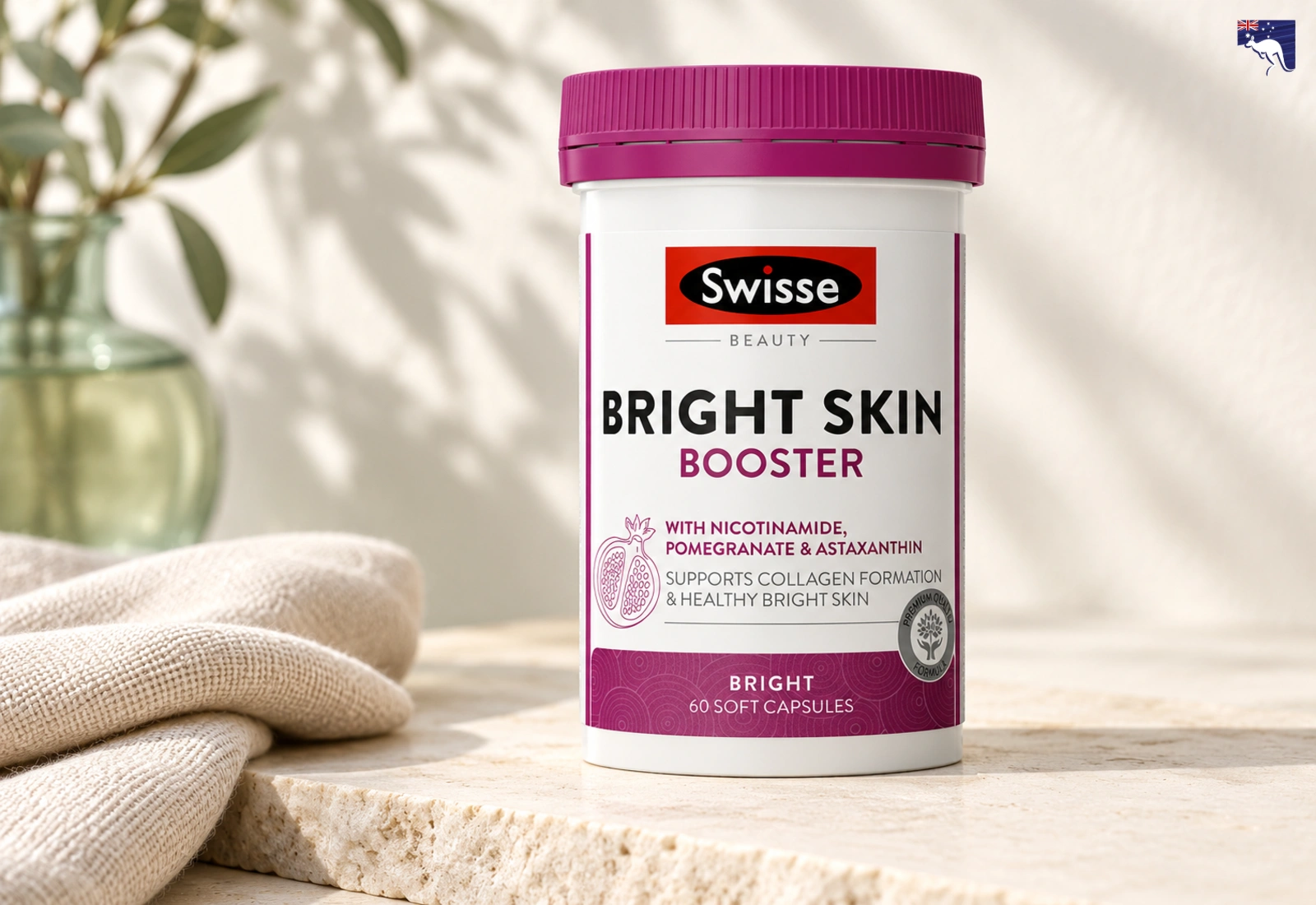
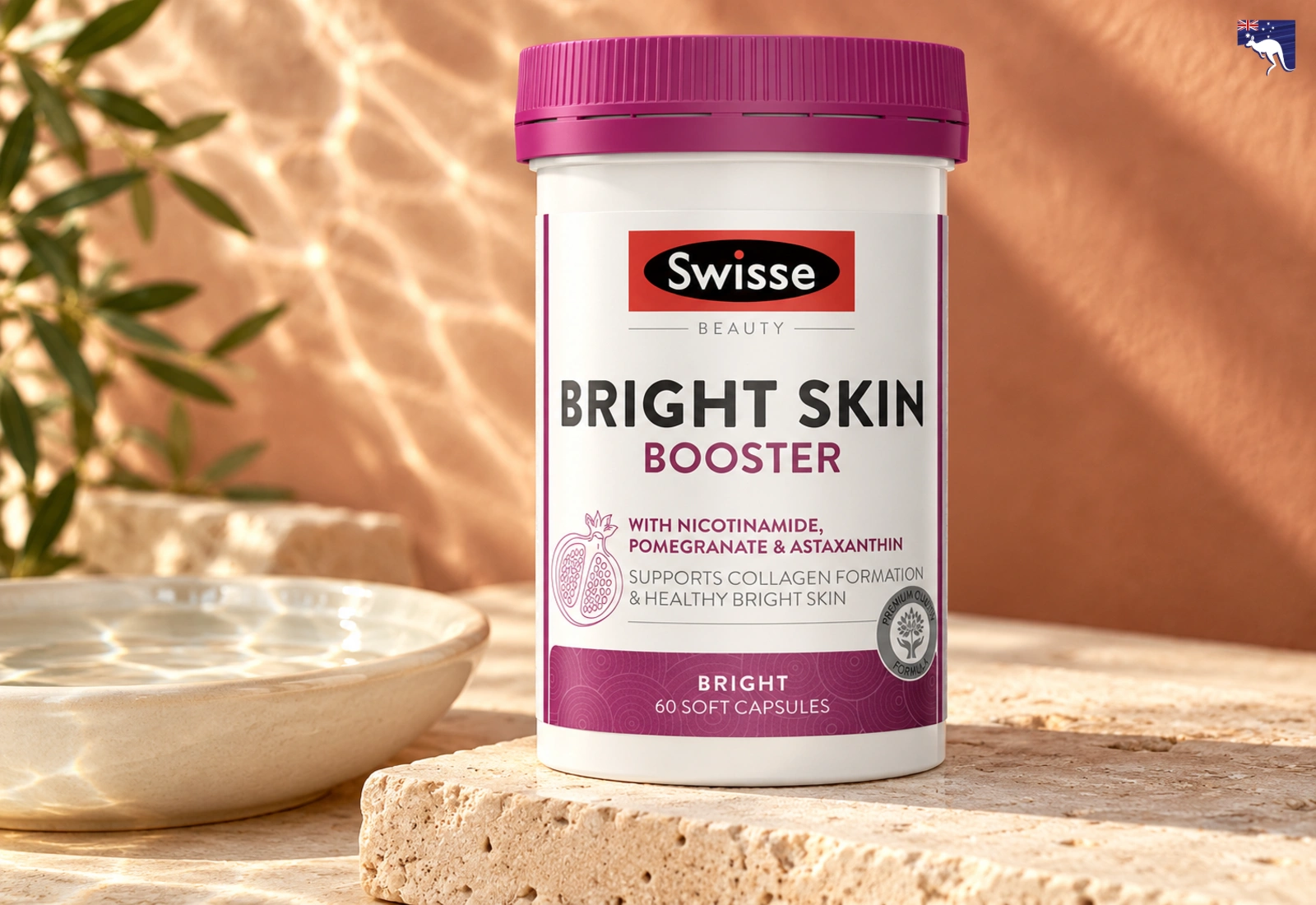
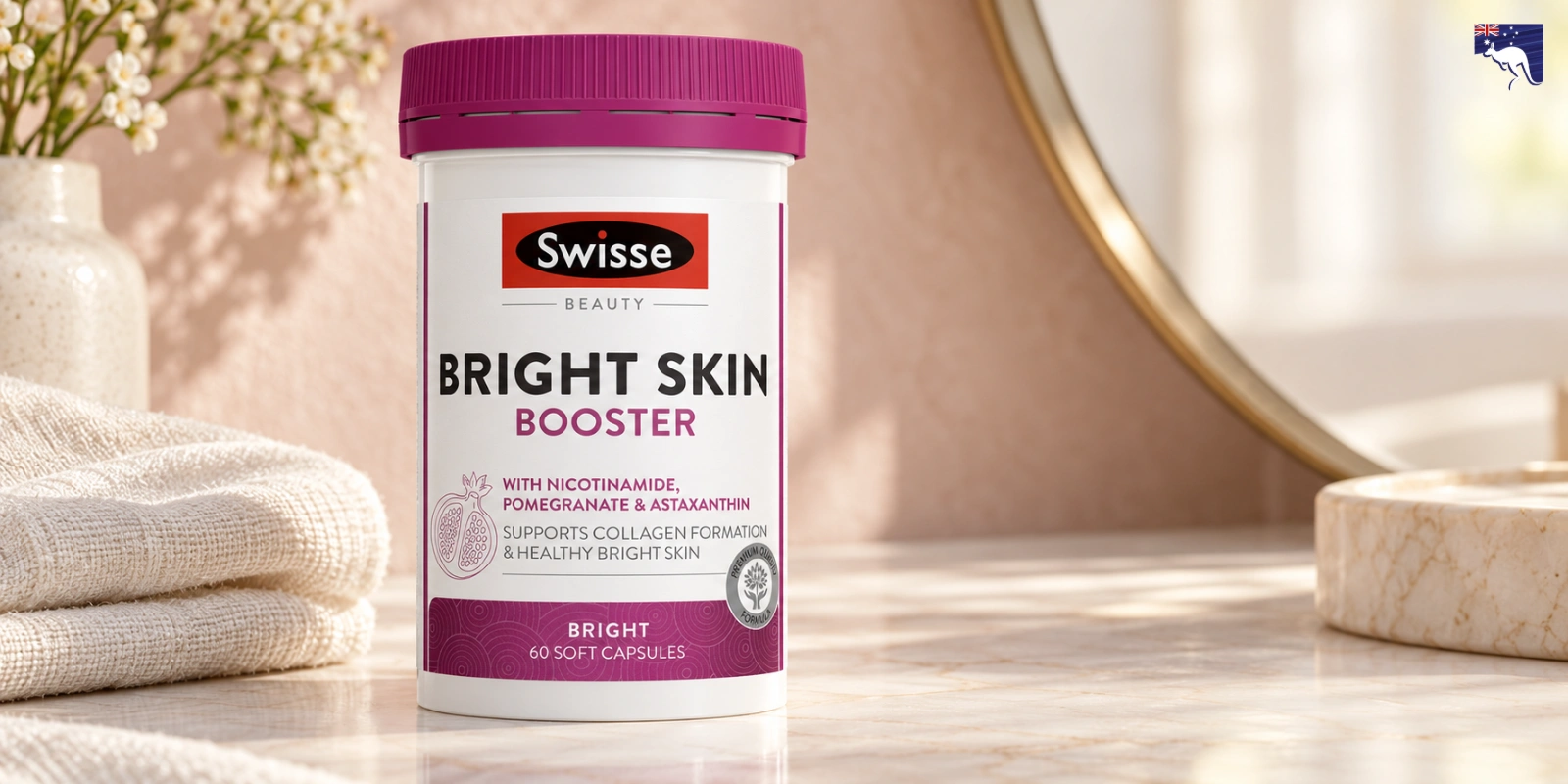
Read the complete formula rather than treating “contains glutathione” as evidence for a whitening result. Swisse Beauty Bright Skin Booster on Australian Goods lists 25 mg glutathione per soft capsule within a combination formula. Its composition differs from the trial preparations described above, and it should not be represented as a treatment for pigmentation.
Check the current label, allergens, age restrictions, seal and expiry details. If you already take a multivitamin or other beauty supplement, compare overlapping ingredients. Follow labelled directions; increasing capsules to imitate research amounts also increases the rest of the formula.
Use the live product page to compare current Bangladesh price, pack size and availability. A helpful purchase decision rests on clear ingredient information, realistic expectations and suitability for you. For dark spots or melasma, keep that decision alongside proper skincare and professional assessment rather than allowing a product promise to determine the whole plan.
The listing below lets you examine the combination formula described here. Other skin products shown on this page have different ingredients and purposes; they are not interchangeable glutathione treatments.
Swisse Beauty Bright Skin Booster
Swisse Beauty Bright Skin Booster is an adult beauty supplement with vitamin C, nicotinamide, astaxanthin and glutathione. Vitamin C supports skin health, collagen formation and sk...