Astaxanthin: Benefits, Side Effects and How to Read the Label
A practical guide to astaxanthin research and product labels, including skin and eye claims, milligram strengths, extract weights, combination formulas and Bangladesh buying checks.
Quick Answer
Astaxanthin is a carotenoid pigment studied for antioxidant activity and several health outcomes. Human evidence remains limited and varies by purpose. Compare the declared astaxanthin amount per serving, not just extract or oil weight, and check the whole formula before buying.
Key Takeaways
- Astaxanthin studies do not establish guaranteed skin, vision or exercise benefits.
- An extract weight and the astaxanthin it provides are different figures; read both.
- Standalone capsules, krill oil and beauty formulas need separate label comparisons.
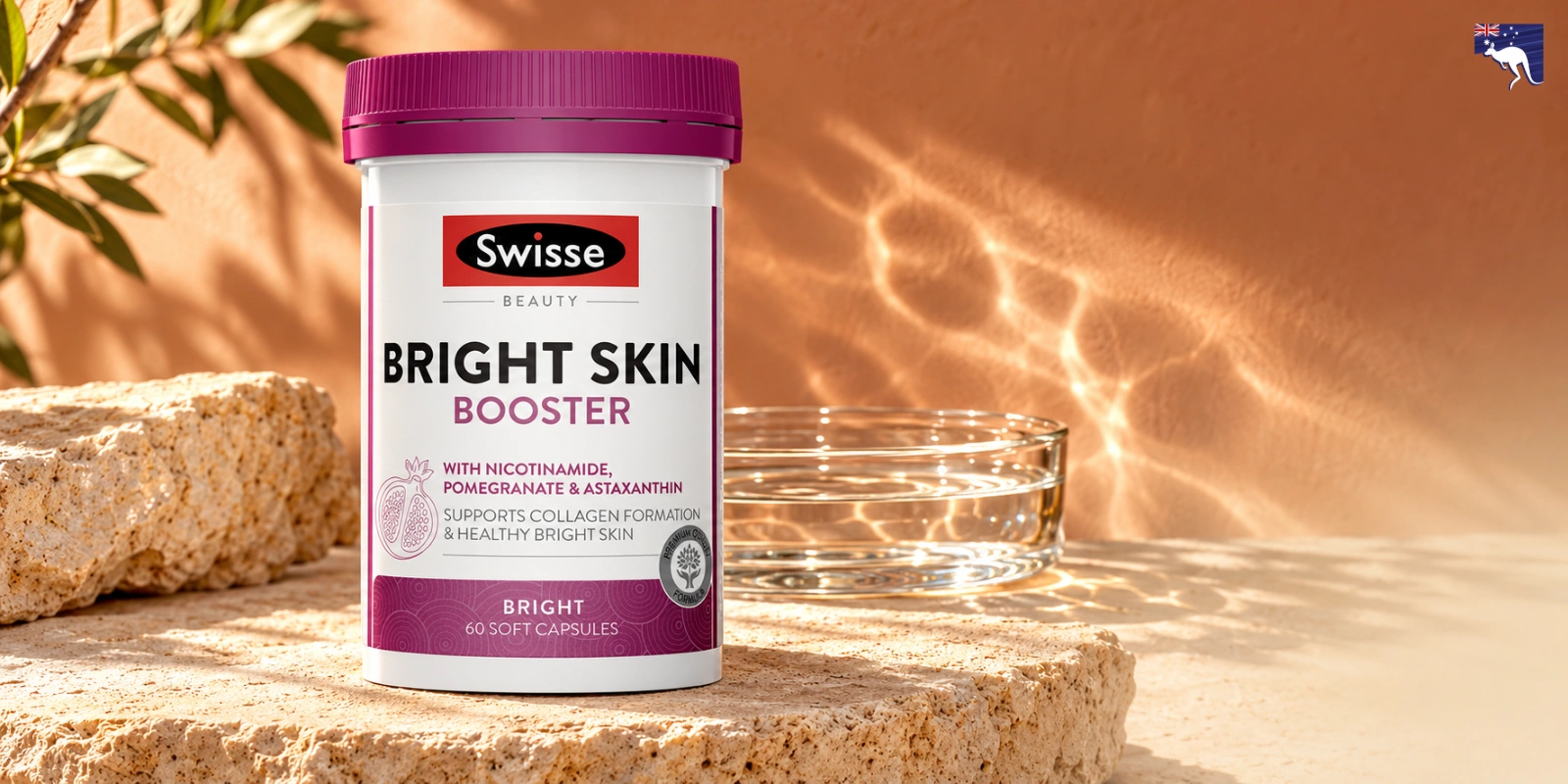
Two astaxanthin products can look similar until you read the small print. One may supply 4 mg of astaxanthin; another may list 10 mg of an algal extract that provides only 1 mg of astaxanthin. A third may be krill oil with a different main purpose. The number on the front is only the beginning of the comparison.
If you are shopping for an astaxanthin supplement in Bangladesh, this guide explains the benefits being studied, the limits of those findings and how to compare the actual ingredient amounts. It also covers the safety questions worth resolving before you place an order.
What is astaxanthin?
Astaxanthin is a red-orange pigment in the carotenoid family. It occurs in certain algae and aquatic animals, including salmon and shrimp. Many supplements use astaxanthin from the microalga Haematococcus pluvialis. The source should be identified in the product's ingredient information.
Researchers study astaxanthin because of its antioxidant activity and possible effects on several biological processes. However, an antioxidant reaction in a laboratory does not tell us how a supplement will affect a person's skin, eyesight or exercise performance. Those questions need human trials that measure the relevant outcome.
Eating seafood also provides nutrients beyond astaxanthin. A food portion and an isolated supplement therefore answer different nutritional questions; you do not need imported salmon simply because you have read about this pigment.
Astaxanthin benefits: where is the evidence useful?
Skin moisture and signs of ageing
Small studies have investigated moisture, wrinkles and responses to environmental exposure. In a 16-week trial involving 65 women, participants received 6 mg or 12 mg of astaxanthin or a placebo. Some skin measurements worsened in the placebo group while remaining relatively stable in the astaxanthin groups. The researchers proposed a possible protective effect, but this is not proof that every supplement will reverse wrinkles.
The trial amounts describe that study, not a dose recommendation. It also involved specific participants, conditions and a specific preparation. Astaxanthin does not have an established SPF rating, and a capsule cannot replace sunscreen, shade or protective clothing.
Eyes and screen-related discomfort
Eye-health advertising often sounds more certain than the studies. A six-week trial recruiting 60 adults found no significant differences between groups across the measured outcomes when all participants were analysed. A subgroup aged 40 and over showed a difference in one visual-acuity assessment after screen work. A subgroup finding needs careful interpretation; it does not establish treatment for an eye disease.
Other studies use astaxanthin alongside lutein or zeaxanthin. Results from such combinations cannot identify what astaxanthin alone contributed. Persistent eye pain, redness or a change in vision should be assessed, rather than managed by repeatedly changing supplements.
Exercise and recovery
Exercise research is mixed. A placebo-controlled study in trained cyclists and triathletes found no improvement in fat use or time-trial performance. A later running study found changes in some immune-related proteins, but no effect on muscle soreness or muscle damage. These are different outcomes, and neither supports a guaranteed recovery or stamina claim.
The practical conclusion is to define the benefit you actually want. “Antioxidant support” is a broad description. An improvement in a blood marker, skin measurement or selected subgroup is a narrower finding that should remain narrow when a product is advertised.
What does astaxanthin 4 mg mean on a label?
A label stating astaxanthin 4 mg should tell you whether that amount is in one capsule or in the full serving. The same check applies to 2 mg, 6 mg and other strengths. Always locate the ingredient panel and serving directions before comparing two products.
Here is a hypothetical label example: Product A provides 2 mg per capsule and its labelled serving contains two capsules. Product B provides 4 mg in one capsule and its labelled serving is one capsule. Both supply 4 mg per labelled serving, even though the per-capsule figures differ. This explains the arithmetic; it is not an instruction to change a serving.
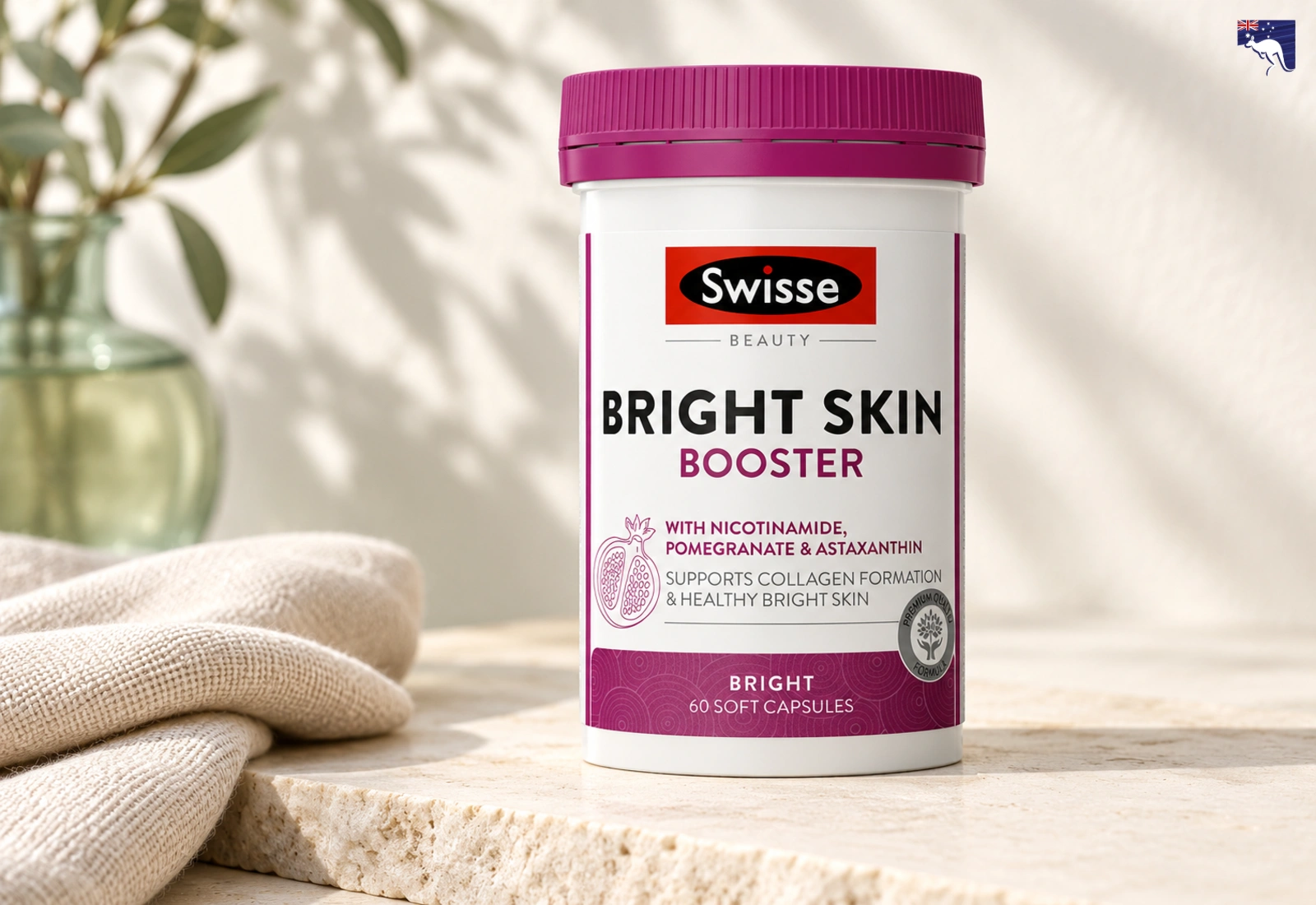
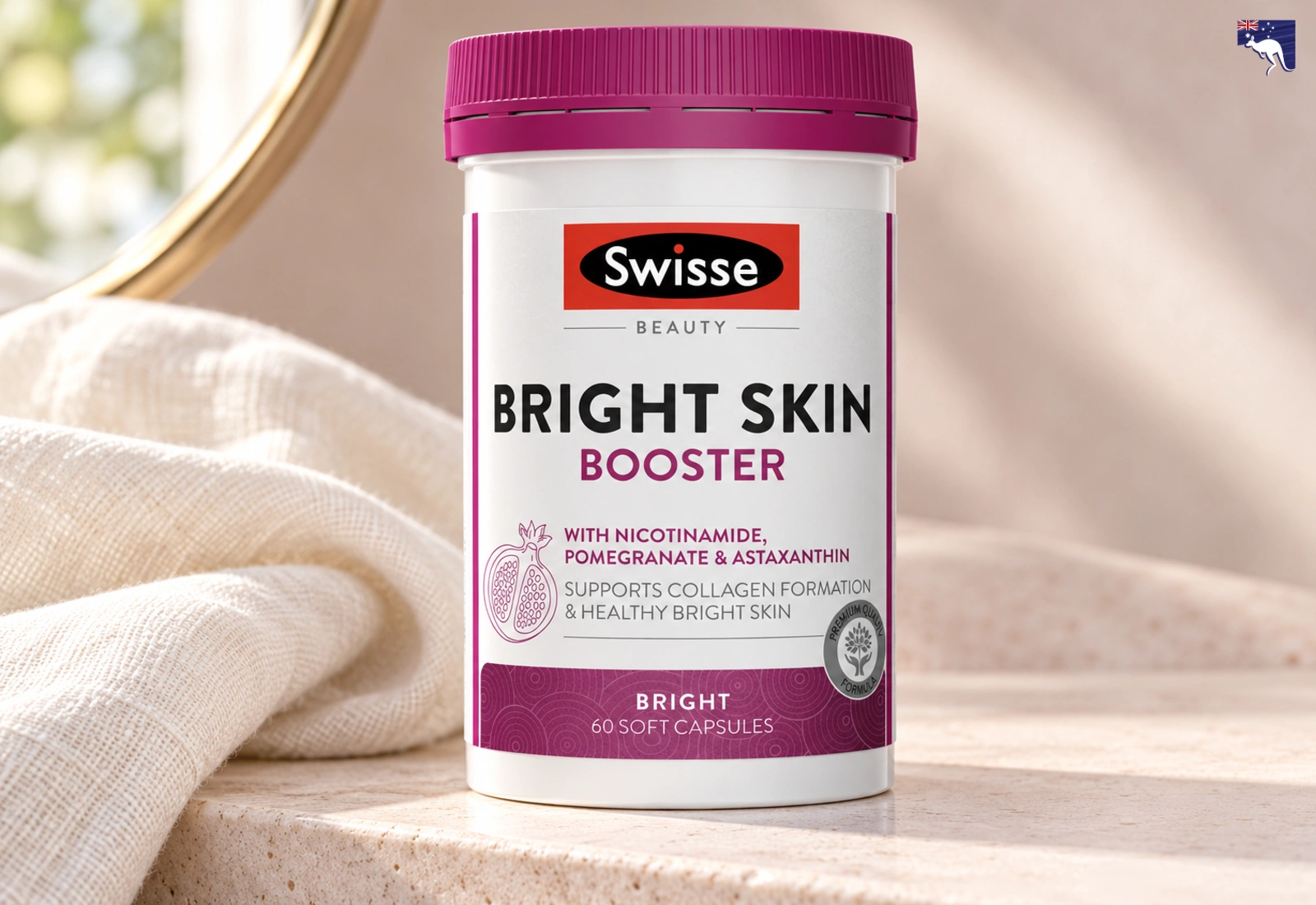
Also distinguish the total extract weight from the astaxanthin it provides. Swisse Beauty Bright Skin Booster, listed by Australian Goods, contains 10 mg of astaxanthin esters extract providing 1 mg astaxanthin per soft capsule. Its formula also includes glutathione and vitamin C. For the other main ingredient, see our glutathione benefits and forms guide. The 10 mg extract figure should not be described as 10 mg astaxanthin.
More milligrams do not automatically mean better results. A study's dose is useful context only when its formula, participants and outcome are also considered. Do not increase a combination product to copy a single-ingredient trial: every other ingredient would increase too.
Standalone astaxanthin, krill oil and beauty formulas
A standalone astaxanthin supplement identifies astaxanthin as its main active ingredient, although the capsule still contains other materials such as a carrier oil. Check the actual astaxanthin content and any dietary restrictions.
Krill oil is generally compared for its oil and omega-3 composition. Its total oil weight is not an astaxanthin dose. A product's red colour also cannot tell you how much astaxanthin it contains. If the label does not declare a quantity, do not assume it matches a separately labelled astaxanthin capsule.
A beauty formula may combine astaxanthin with vitamins, amino acids or plant ingredients. Assess the whole formula and its intended use. It should not be presented as a pure astaxanthin product or as an exact substitute for a trial preparation.
Search results may call these products “astaxanthin tablets” even when the actual format is a soft capsule. Format, ingredient source and active amount are separate label details. Confirm all three rather than relying on the search title.
This is a combination beauty formula containing astaxanthin, not a standalone astaxanthin product. Check the actual ingredient amount and complete directions before comparing it with a study.
Swisse Beauty Bright Skin Booster
Swisse Beauty Bright Skin Booster is an adult beauty supplement with vitamin C, nicotinamide, astaxanthin and glutathione. Vitamin C supports skin health, collagen formation and sk...
Astaxanthin side effects and safety checks
In an eight-week safety trial with 35 healthy adults, the tested algal extract did not produce clinically important changes in the measured safety parameters. This is reassuring within the study's limits, but small short trials cannot rule out uncommon reactions or establish safety for everyone over years of use.
If a product causes persistent stomach discomfort, a rash or another new symptom, stop using it and seek advice. The cause could involve astaxanthin, a carrier ingredient or another active ingredient in a combination formula. Seek urgent help for breathing difficulty, facial swelling or collapse.
For children, pregnancy or breastfeeding, do not assume that evidence in healthy adults applies. Check the product's restrictions and speak with a qualified healthcare professional. People taking prescription medicines or managing a chronic condition should have the full formula reviewed. Astaxanthin-specific interaction evidence is limited; a short interaction list is not proof that every combination is suitable.
The NIH's antioxidant supplement guidance also explains why high-dose or combined antioxidant products can cause problems. Mention all supplements to your treating team, particularly during cancer treatment. Keep prescribed treatment in place unless your clinician changes it.
Buying astaxanthin in Bangladesh: make the comparison practical
Start with the exact product name, current ingredient panel, amount per capsule and labelled serving. Then compare pack size, price per labelled serving and the ingredients you would be taking together. Use the current product page for price and stock; imported supplements can change in availability and packaging.
Check the seal, batch and expiry details when the product arrives. Read its storage instructions before choosing where to keep it in Bangladesh's warm weather. A sunny windowsill, hot car or damp bathroom is a poor place for a product that requires cool, dry storage.
If halal certification, vegetarian suitability or a specific capsule material matters, ask for information about that exact product. An algal ingredient does not establish the composition of the capsule shell. Likewise, a familiar logo or a high price alone cannot verify authenticity.
Before ordering, you should be able to identify what you are buying, why you are considering it and how you will use it within the label. Australian Goods' product details can help with those comparisons; a pharmacist or clinician can help decide whether the formula fits your health circumstances.