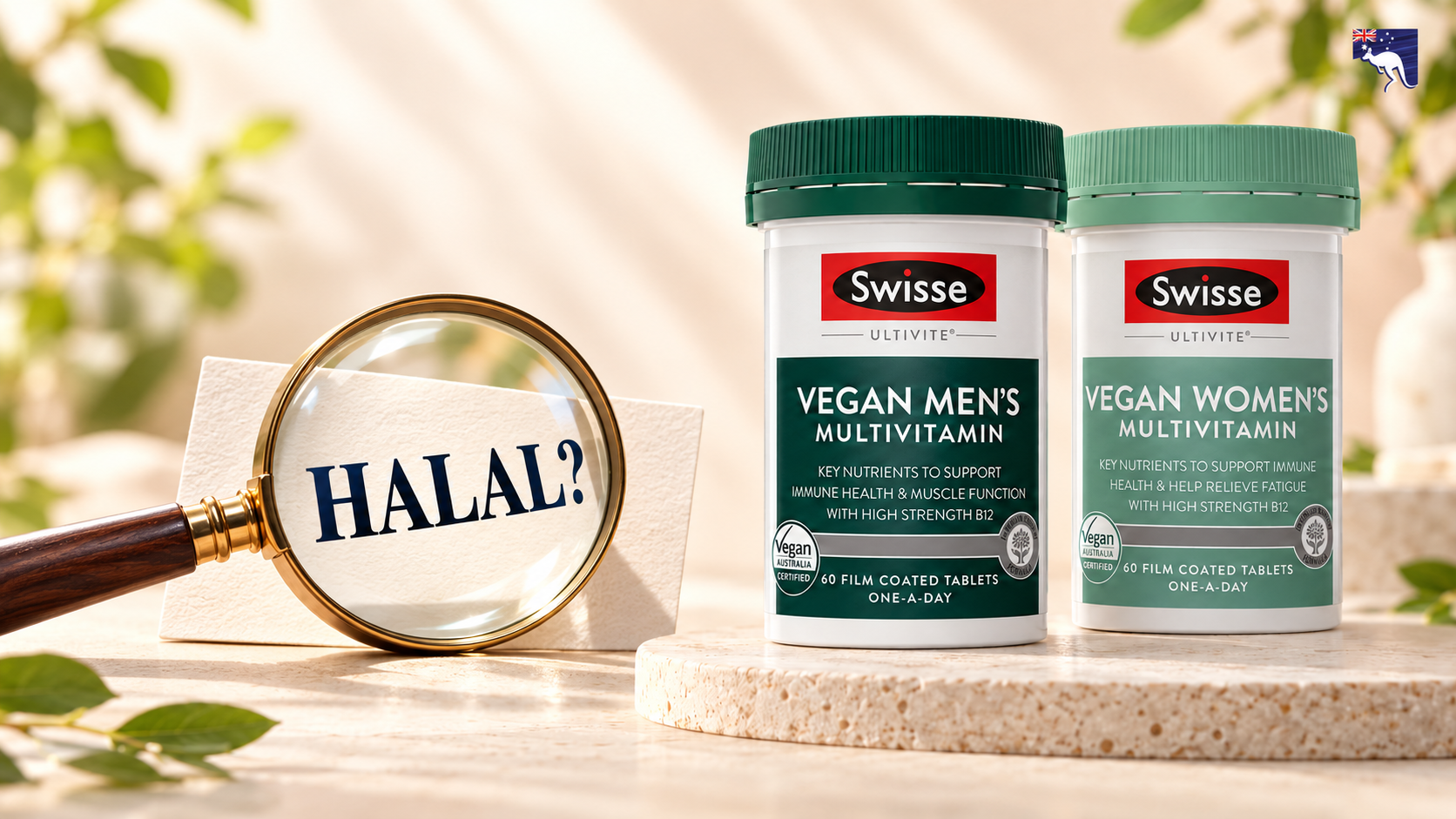
Is Fish Oil Halal? Ingredients, Gelatin and Certification Explained
Fish oil and its capsule shell are separate ingredients, so a fish-derived oil does not establish the halal status of the finished supplement. This guide explains gelatin sources, certificate checks and the questions Bangladeshi shoppers can ask before choosing a bottle.
Quick Answer
Fish oil capsules are not automatically halal or haram as a group. The answer depends on the complete product, including gelatin, other ingredients and applicable certification. Check the exact formulation and consult a trusted halal authority where necessary. A seller saying “fish oil” or “bovine gelatin” is not the same as a verified halal certificate.
Key Takeaways
- Check the whole capsule, including its shell, rather than judging only the fish oil inside.
- Verify certification against the exact product and current certificate; brand reputation is a separate question.
- Swisse currently states that it has no halal-certified products; its fish-oil capsules must not be advertised as halal-certified.
Why the oil and capsule need separate checks
A bottle may display fish oil prominently while saying much less about the capsule that holds it. The oil supplies fatty acids; the shell helps contain and deliver it. Both belong to the finished product. Flavourings and other ingredients can also require clarification.
The Department of Halal Certification EU's requirements cover ingredients, processing and traceability. They identify gelatin of uncertain origin as requiring verification. That is why a picture of a fish, an Australian flag or the words “natural ingredients” cannot answer a product-specific halal question.
What does the gelatin description tell you?
| Label wording | What it identifies | What to check next |
|---|---|---|
| Gelatin or gelatine | The capsule material, without necessarily naming its source | Ask the manufacturer for the source and supporting documentation. |
| Bovine gelatin | Gelatin derived from cattle | Ask whether the finished product has relevant halal certification. |
| Fish gelatin | A fish-derived shell material | Check the remaining ingredients and any certification claim. |
| Vegetarian capsule | A claim about the capsule's composition | Confirm the oil source and complete formulation separately. |
“Bovine” does not mean “halal-certified.” The certifier's explanation of animal gelatin notes that the source animal and slaughter requirements can matter. Religious interpretations can differ, so take the actual ingredient information to a halal authority you trust rather than relying on a retailer to issue a ruling.
A current example: Swisse fish oil
Swisse's manufacturer guide, updated 11 September 2026, states that it does not currently have halal-certified products. It also says its Wild Fish Oil range uses bovine gelatin. Its general product FAQ confirms bovine gelatin in softgel capsules while advising customers to check individual product information.
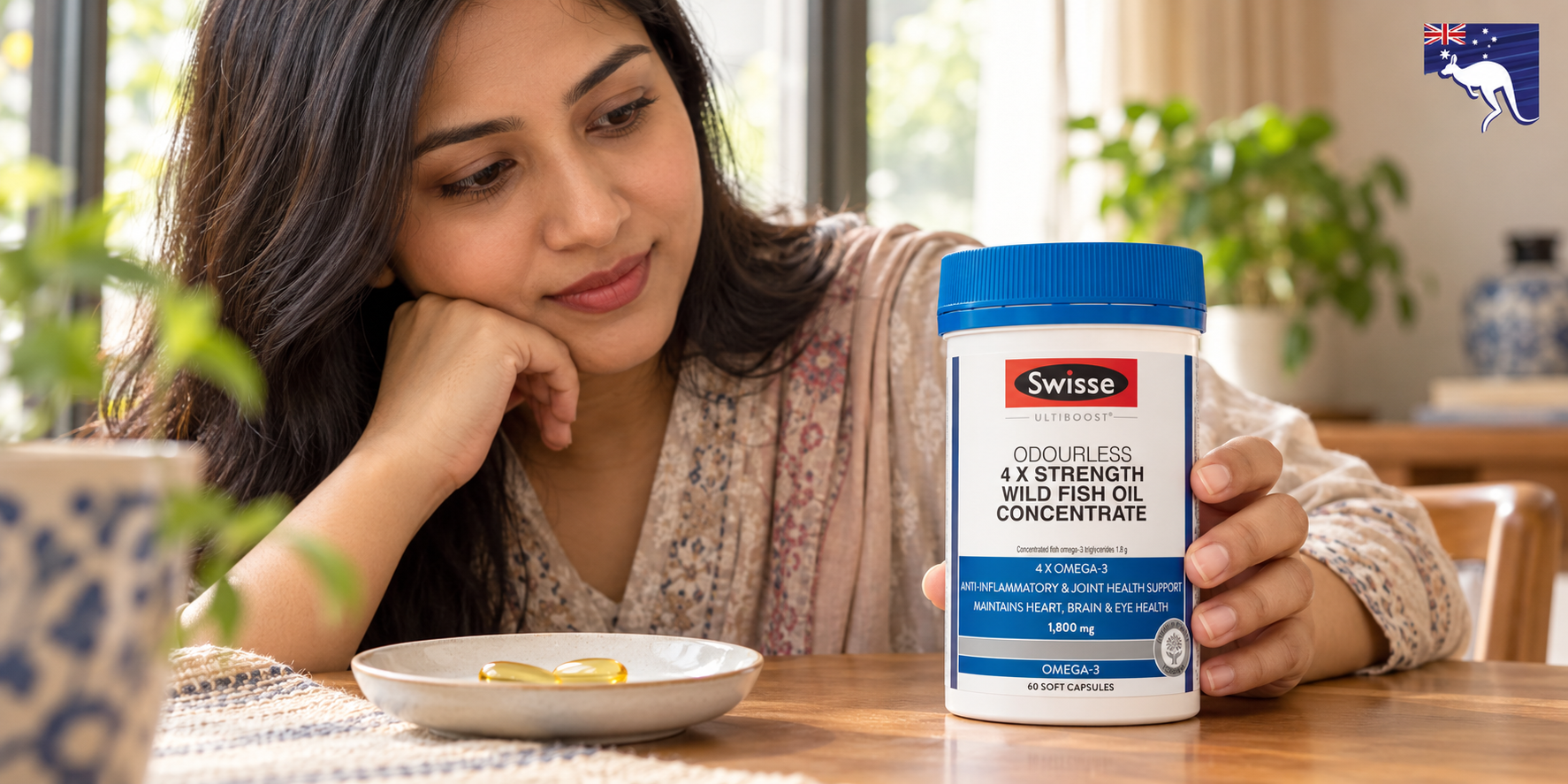
The Swisse bottle pictured with this article is therefore an example for checking packaging, not a recommendation of a halal-certified product. The statement above concerns the Australian manufacturer's information checked on 29 October 2026. Do not assume that a product sold in another market has the same formulation or certification status.
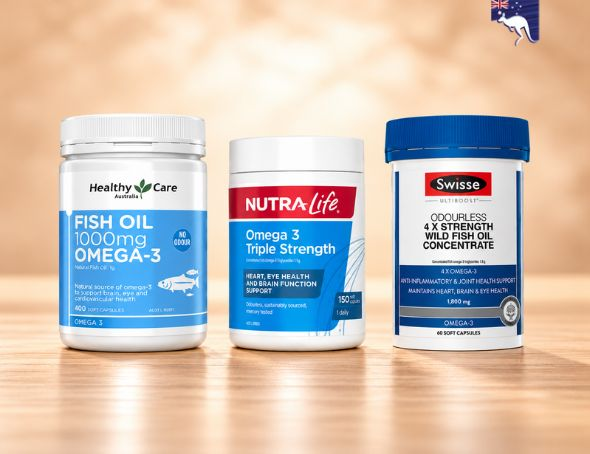
For Healthy Care, Nutra-Life or another brand, request evidence for the particular product. One brand's answer cannot establish another brand's status, and a certificate for one product cannot automatically cover an entire range.

Swisse Ultiboost Odourless 4 x Strength Wild Fish Oil Concentrate
Swisse Ultiboost Odourless 4 x Strength Wild Fish Oil Concentrate is a high-strength omega-3 supplement formulated to support heart, brain, eye and joint health. Each capsule provi...
How to check a certificate before ordering
Ask for a complete, readable certificate rather than a cropped logo. Compare the product name, manufacturer or certificate holder, relevant manufacturing details and validity period with the bottle you intend to buy. Where the document lists products in an appendix, request that page too.
Then use the issuing body's own verification service or contact details. For example, DHCE provides certificate-number and QR-code verification. That service applies to DHCE certificates; another certifier will have its own process. A QR code taking you to a shop's sales page does not independently verify a certificate.
Save the manufacturer's reply and certificate with the date checked. If a later bottle has a different product name, market label or formulation, repeat the check instead of assuming your earlier answer still applies.
A practical checklist for Bangladesh shoppers
- Request clear front, back and side photographs of the actual available pack.
- Match its full name, strength and capsule count to the manufacturer's information.
- Ask specifically about the capsule shell, not only whether the oil comes from fish.
- Ask whether “halal suitable” means an ingredient statement or independently certified status.
- If certification is claimed, obtain the complete current document and verify its scope.
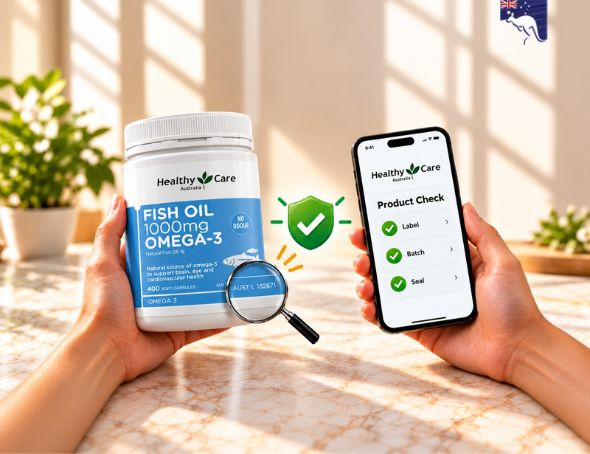
- Check the batch, expiry date and seller details as separate authenticity checks.
A useful message is: “Please confirm the gelatin source and halal-certification status of this exact product and market version, and provide the manufacturer's statement or certificate.” Keeping the request specific makes an incomplete answer easier to recognise.
Our original fish-oil checklist covers authenticity. Genuine manufacture, product quality and halal certification are different checks; passing one does not automatically establish the others.
What if the information remains unclear?
You can postpone buying while seeking clarification. If your dietary preference permits, compare a product with verified documentation, a suitable liquid format or an algae-based option. A liquid removes the capsule-shell question but still requires checking the full ingredient list. A vegan claim is also different from halal certification.
When comparing alternatives, keep the nutritional question separate: plant oils and algal products do not necessarily supply the same fatty acids. Our plant-based omega-3 guide explains the distinction. Once suitability is established, use the omega-3 label guide to compare the actual formula.