Does Spirulina Help With Weight Loss? What the Research Shows
Spirulina trials suggest a small average weight effect, but that is different from a reliable fat-loss treatment. This article puts the research into everyday terms and explains what matters more when building a sustainable eating and activity plan.
Quick Answer
Spirulina may produce a small average weight reduction in some short-term trials, but it is not a proven stand-alone weight-loss treatment. A 2025 analysis found about 1.1 kg greater weight reduction than control across included studies, with no significant overall waist change. Individual results vary, long-term maintenance is uncertain and there is no established weight-loss dose.
Key Takeaways
- A small average trial result does not predict how much weight an individual will lose.
- There is no established spirulina dose for weight loss or proven ability to target belly fat.
- Treat spirulina as optional; meals, activity, sleep and appropriate clinical support deserve priority.
If you have been offered spirulina as a way to lose belly fat, the first question should be about the size of the effect. A supplement can produce a statistically interesting result in a study without producing the visible transformation suggested by a before-and-after advert.
There is some research on spirulina for weight loss. It points to a modest average effect in particular study settings, not a shortcut that works independently of the rest of your routine. Here is how to read that evidence before spending money.
Spirulina and weight loss: how large was the study effect?
A 2025 meta-analysis of 17 randomised trials found that spirulina was associated with approximately 1.07 kg greater weight reduction than control. It also reported small changes in body mass index and body-fat percentage, but no statistically significant overall change in waist circumference.
Those are average differences across studies, not a promise that each person will lose a kilogram. Participants, doses and study conditions differed. The research does not answer every practical question, particularly whether weight stays off after supplementation ends or whether the same result applies to your chosen product.
A separate review of algae supplements, including spirulina and other algae, also found small changes in body measurements but rated the certainty of several outcomes low or very low. It cannot be treated as spirulina-only proof. Together, these findings support cautious interest rather than a guaranteed weight-loss claim.
A trial average cannot forecast your result
Imagine two people starting the same supplement. One also changes sweetened drinks, walks regularly and eats more structured meals. The other keeps the same routine and expects the tablets to do the work. Their experiences cannot tell us how much of any change came from the product.
Randomised trials try to separate those influences, but a headline still needs context. Check whether participants followed an eating or exercise programme, how long the study lasted and whether the comparison was with placebo. Also ask whether the outcome was weight on a scale, waist size or a laboratory measure. These are related but different questions.
A one-week change on your own scale can reflect fluid, bowel contents or ordinary variation. It does not show that spirulina burned a particular amount of fat. Daily fluctuations are especially unhelpful when they encourage repeated changes in dose or unnecessary food restriction.
Belly-fat and appetite claims: where the evidence stops
No convincing basis exists for promising that spirulina selectively removes belly fat. The overall waist result in the 2025 spirulina review was not significant. Claims about a flatter stomach should not be presented as an established effect.
Researchers have explored possible pathways involving appetite and metabolism, but a proposed mechanism is not the same as a dependable treatment effect. You should not expect the same appetite reduction as a prescription medicine with that purpose.
If a powder helps you build a breakfast you enjoy, the whole breakfast may be what makes the routine easier. If it is added to a sugary drink, adding a green ingredient does not remove the drink's energy content. Look at the complete meal rather than awarding the supplement credit for everything around it.
Study doses are not a weight-loss prescription
There is no established clinical dose for weight loss. Trials use different amounts and preparations, and their doses should not become a self-prescribed escalation plan. Follow the product label and discuss use with a healthcare professional when you have a medical condition or take medicines.
More tablets also mean a higher cost and greater exposure to whatever else the product contains. A larger serving is not evidence of better results. Before comparing two packs, calculate the cost per labelled daily serving rather than choosing by the biggest tablet count.
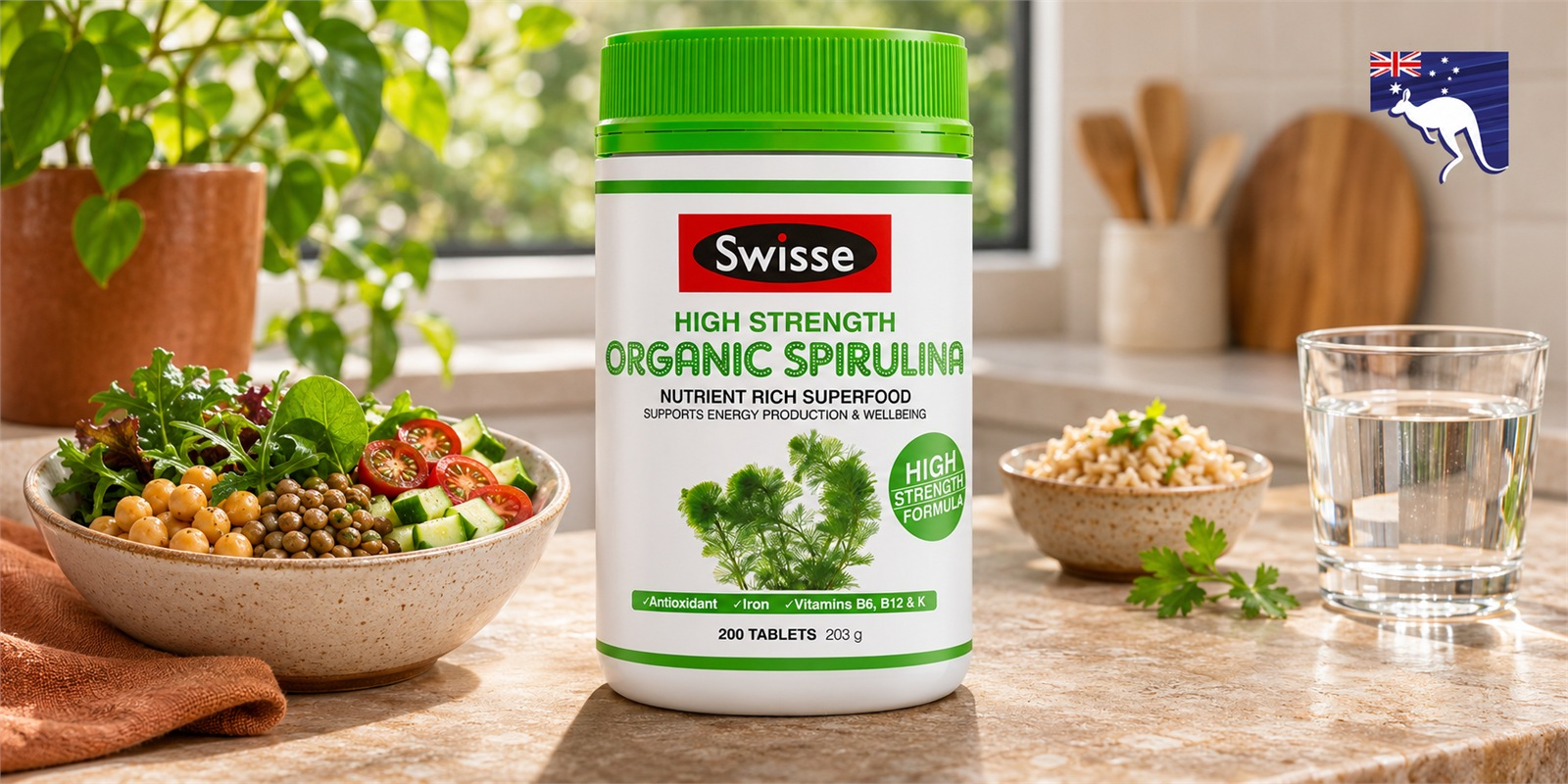
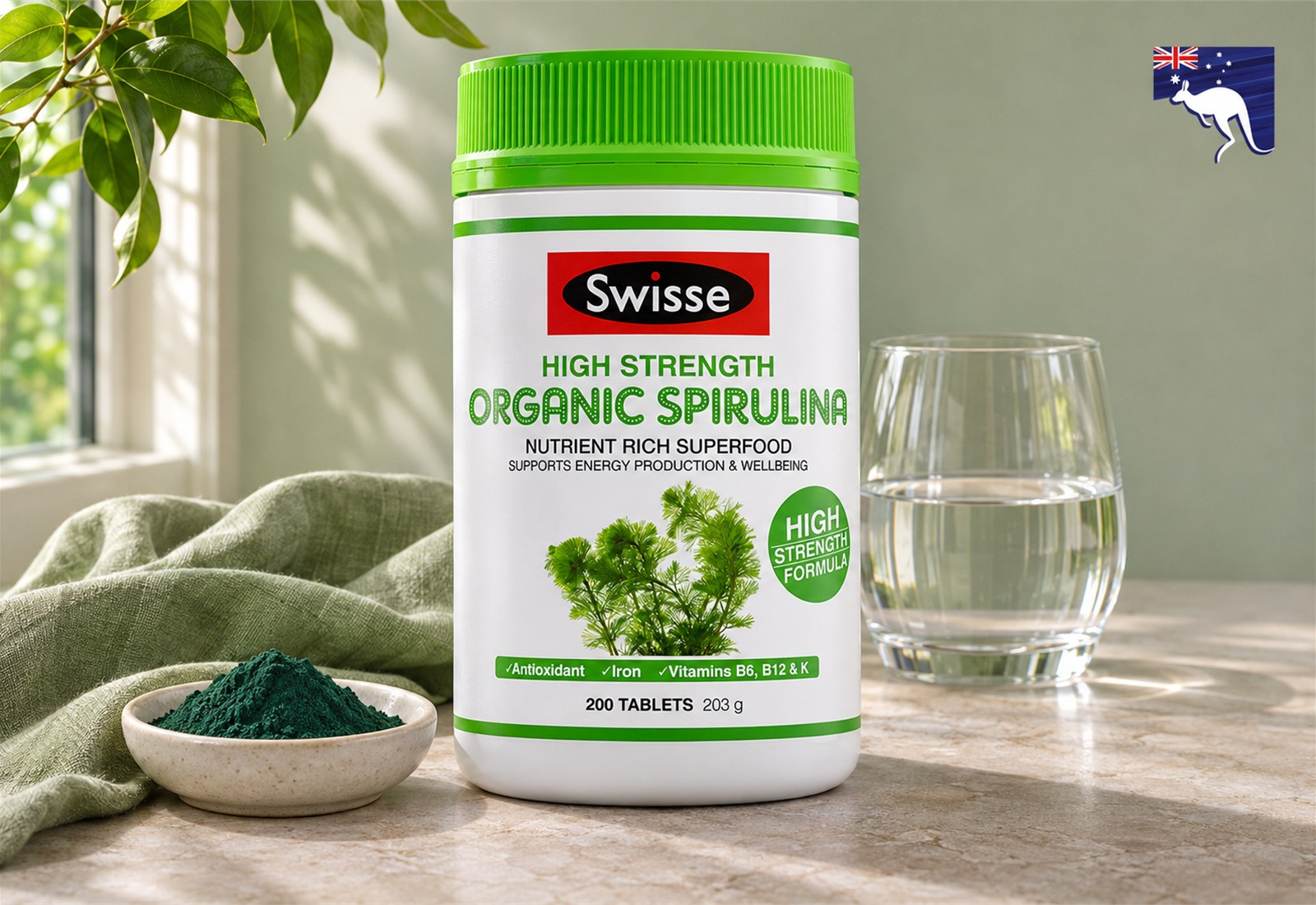
If you choose to compare packs, the Swisse product here and the second spirulina option in the sidebar show the serving and price details to examine. These are optional supplements, not guaranteed slimming treatments. The separate B12 listing is relevant only to a B12 nutrition need.
Swisse High Strength Organic Spirulina
Swisse High Strength Organic Spirulina. Compare the formula, selected pack, label serving and current Bangladesh price.
Tea, rice and movement: practical changes to start with
You do not need an imported meal plan to begin. Identify one or two changes that fit the foods, schedule and budget you already have. For example, review sugar in tea, portion sizes of fried snacks or whether long gaps between meals lead to an oversized evening meal.
Rice does not have to disappear from the plate. Consider its portion alongside vegetables and a suitable protein food such as dal, fish, eggs, chicken or soy. The useful question is how the whole meal works for your appetite and health, not whether one familiar food deserves blame.
Choose activity you can repeat safely, whether that is walking, home exercises or another accessible option. NIDDK's habit-change guidance emphasises planning, realistic steps and support. A routine that survives busy working days is more useful than a demanding plan followed for one enthusiastic weekend.
If weight is affecting your health, professional support can help identify appropriate goals and treatment options. Medicines, sleep, stress and health conditions can influence the picture. Seeking help is a practical step, not evidence that you failed to try hard enough.
A slimming claim does not remove spirulina’s safety risks
Weight-loss hopes do not remove spirulina's ordinary precautions. The FDA warns about microcystin contamination in blue-green algae products. Buy through a traceable supply chain and examine any batch-testing claim carefully. A vivid colour or attractive jar cannot demonstrate purity.
Avoid products that combine an unclear amount of spirulina with a long list of slimming ingredients. If a reaction occurs, it becomes harder to identify the cause. Seek advice before use during pregnancy or breastfeeding, with a significant medical condition, or when taking regular medicines.
Spirulina should not replace meals or a reliable vitamin B12 source. Restricting food while relying on a green supplement can make a weight-management plan less nutritionally complete, even if the marketing calls the product a superfood.
Weight change is only one part of the decision. For a fuller look at possible side effects, quality checks and the other claims made for spirulina, read the benefits-and-safety guide before deciding whether to try it.
Does spirulina deserve a place in your budget?
Start with your budget and purpose. If buying spirulina would displace vegetables, protein foods, a prescribed medicine or useful professional support, those needs deserve priority. If your routine is already sound and you still wish to try it, approach it as optional and keep expectations modest.
Set a review point rather than automatically buying the next bottle. Consider tolerability, cost and whether it adds anything useful to your routine. Continue the habits that help regardless of the supplement, and avoid interpreting an ordinary weight plateau as a reason to keep increasing the serving.