Calcium-Rich Foods in Bangladesh: How Can You Get Enough Without Milk?
Some of the most useful calcium-rich foods in Bangladesh are familiar ingredients. Small fish with soft edible bones, lal shak and, where available, calcium-set tofu or fortified soy drinks can help you plan meals without milk. Portions and preparation make a difference.
Quick Answer
For a milk-free meal, serve small fish with soft edible bones alongside rice and shak. For a plant-based option, use calcium-set tofu or a calcium-fortified soy drink. In Bangladeshi research, 50 g of raw edible mola supplied about 425 mg calcium before any bones were left on the plate.
Key Takeaways
- Count the part you eat. The calcium estimate for whole small fish includes their edible bones.
- A 50 g helping of boiled lal shak provides about 144 mg calcium in the Bangladesh food table. Your body absorbs different amounts from different foods.
- Look for calcium on the nutrition panel of soy drinks and tofu. Products with similar names can supply very different amounts.
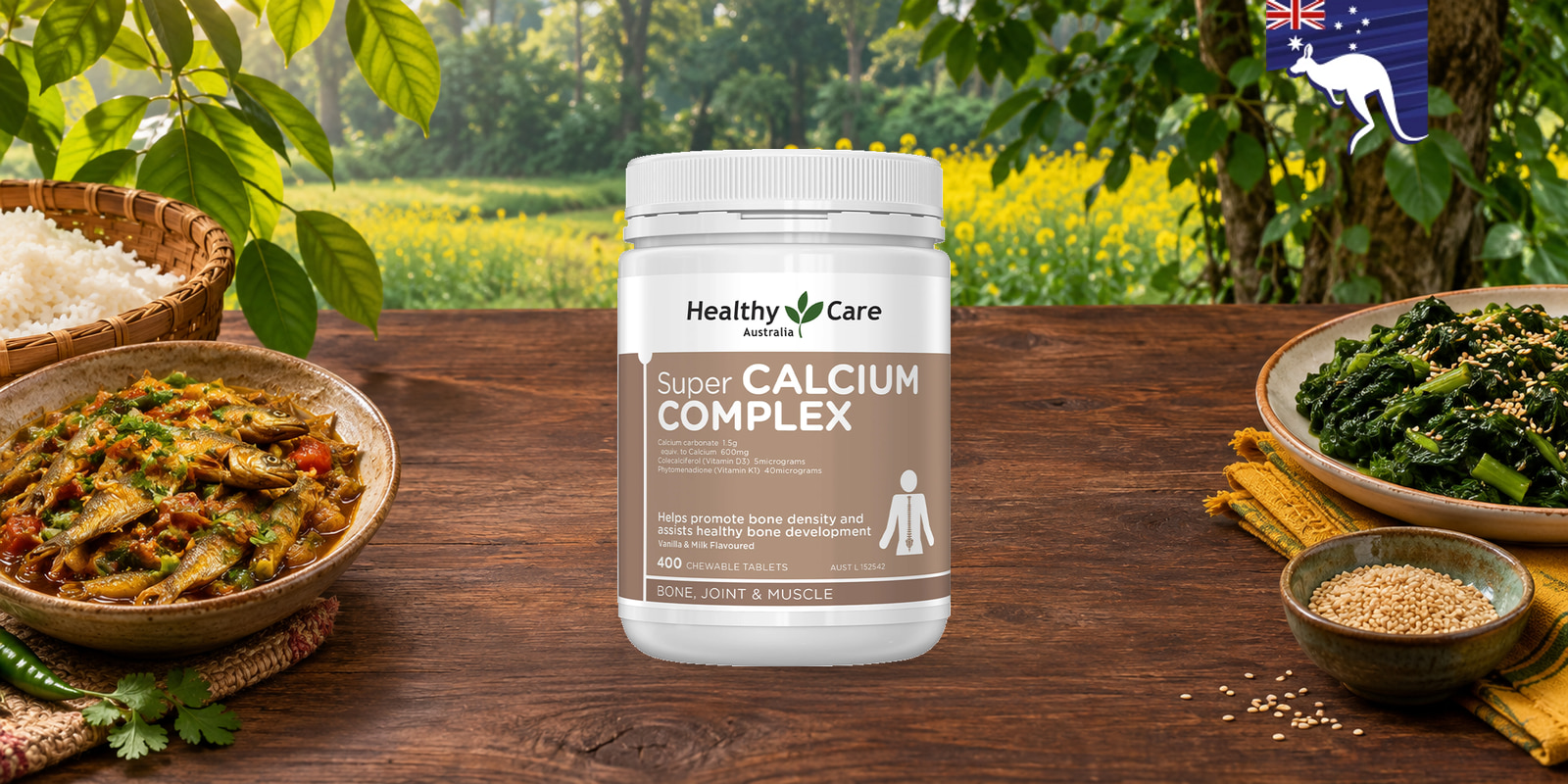
If milk has disappeared from breakfast, look at what is going into the lunch pot. A spoonful of mola mach with its soft bones can contribute more calcium than a much larger boneless piece of fish. A generous side of lal shak adds more. Whether you avoid dairy because of discomfort, cost or preference, start with the food you already cook and the portion you actually eat.
How much calcium are you trying to get?
The National Dietary Guidelines for Bangladesh list 1,000 mg of calcium per day for healthy adults aged 19 to 50. Teenagers, some older adults and people with particular medical needs have different targets. This is a figure for total food and supplement intake. You can build towards it across breakfast, lunch, dinner and snacks.
A simple place to begin is with yesterday. Which meal had a recognisable calcium source? If lunch had small fish but the rest of the day was roti, rice, dal and tea, breakfast or dinner is where a change will count.
Four portions that make the numbers easier
The fish figure comes from research on raw edible fish in Bangladesh, the lal shak figure from the Food Composition Table for Bangladesh, and the tofu and soy drink examples from the US NIH food table. For packaged food sold here, the figure on your own label takes priority.
- Mola fish, 50 g raw edible portion including soft bones, about 425 mg. Researchers measured an average of 853 mg per 100 g. Cooking changes the weight, and bones discarded at the table reduce what you eat.
- Lal shak, 50 g boiled without salt, about 144 mg. The Bangladesh table gives 287 mg per 100 g for this preparation. This is the weight of the cooked leaves.
- Firm tofu set with calcium sulfate, half a US cup, about 253 mg in the NIH example. Tofu made using a different coagulant may provide much less.
- Calcium-fortified soy drink, one US cup (about 240 ml), about 299 mg in the NIH example. Cartons differ, and an unfortified soy drink can contain far less.
Make a fish lunch count
For a family lunch, cook mola in a light jhol and serve the fish itself alongside rice and greens. If 200 g of raw edible fish went into a pot for four and everyone received a similar amount of fish, that is roughly 50 g per person before cooking. Ladles of gravy alone do not give the same portion.
Larger fish remain useful sources of protein. The calcium figure for mola, though, assumes you eat the soft bones. When you lift the flesh off the central bone of a large fish steak and leave the bones behind, use a value for the flesh. Never try to swallow hard or sharp bones to increase calcium.
Build a milk-free, fish-free meal
Try a tofu bhuna with onion, tomato and spices, served with rice and a side of greens. Look at the ingredients first. Calcium sulfate, also written calcium sulphate, is one clue that the tofu was made using calcium. The nutrition panel gives the better guide to the amount. When buying unlabelled tofu or soy chunks, it is safer to count them as protein and leave their calcium contribution uncertain.
Dal and chola can do double duty as a base for vegetables and a source of protein. If a recipe uses greens mainly for colour, add a proper helping on your own plate. Rotate greens through the week. Natural compounds in some leaves, particularly spinach, limit how much calcium the body absorbs.

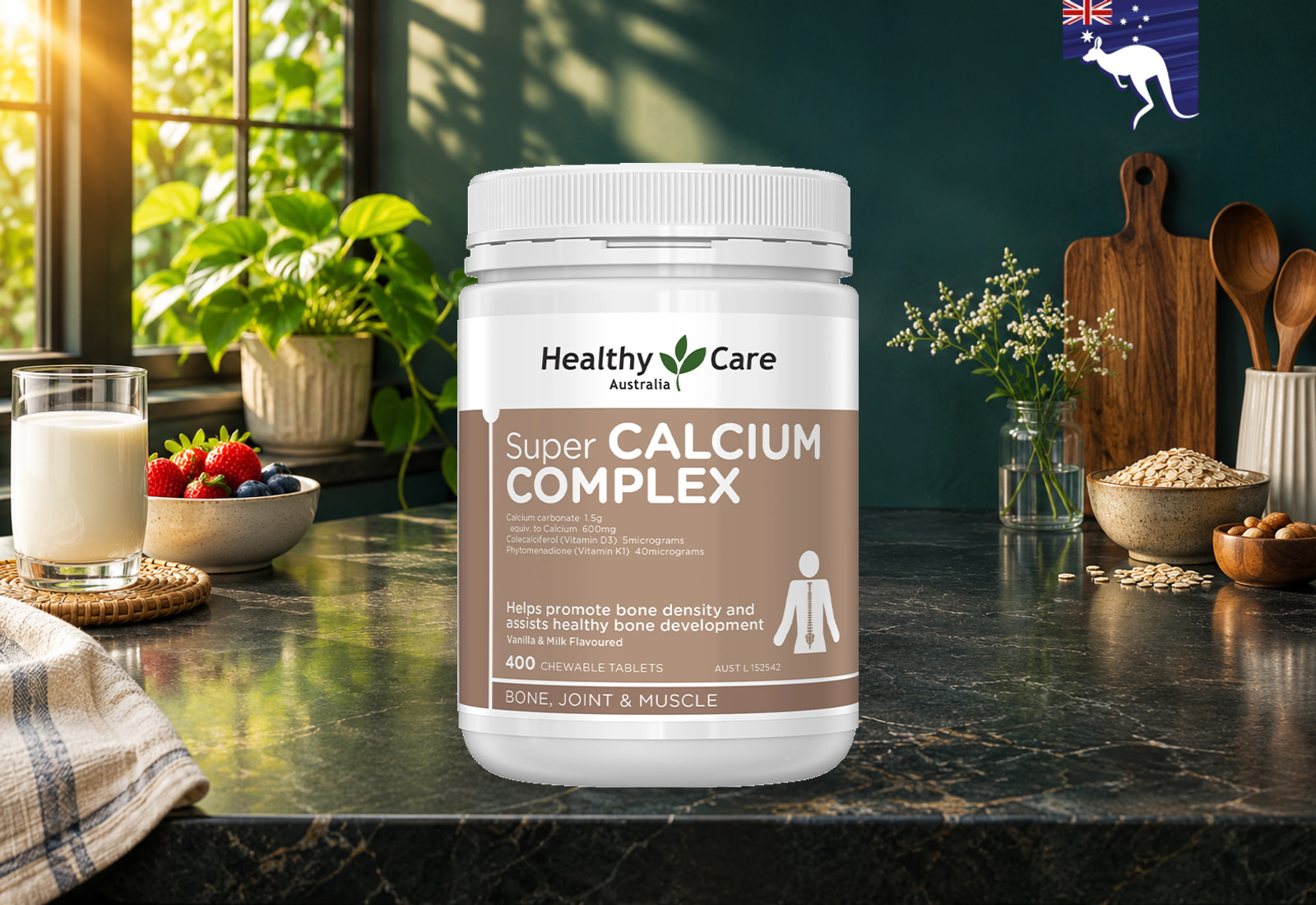
Healthy Care Super Calcium Complex D
Healthy Care Super Calcium Complex D in Bangladesh. Compare pack prices, nutrient amounts, label directions and suitability.
Read a carton in the shop
Turn the pack to the nutrition panel and check the units. If a drink lists 120 mg of calcium per 100 ml, a 200 ml glass supplies 240 mg. A 50 ml splash supplies 60 mg. The brand name or picture of almonds on the front tells you neither figure. Follow any instruction to shake the carton before pouring and its storage directions once open.
When deciding whether an imported drink is worth the price, compare two portions. If the carton is too expensive for regular use, plan around local fish and greens instead. If several family members eat differently, you can cook one pot of dal and offer fish or calcium-set tofu as separate additions.
Try a day, then look for the gap
For a day that includes fish, you might have a labelled fortified soy drink with chira at breakfast, a share of mola jhol at lunch and lal shak with roti at dinner. Using the example portions above, the drink, fish and greens together provide roughly 870 mg before the contributions from other foods.
For a plant-based day, use the labelled drink at breakfast and divide a calcium-set tofu dish between lunch and dinner. Count the total tofu you personally eat, then add greens or another labelled source where your day is light. If a repeated gap remains despite the foods available to you, take your three-day meal record to a dietitian or clinician. Their estimate can guide whether a calcium supplement would be useful and how much it should supply.
How to manage a week of canteen lunches
A meal plan that depends on cooking fish at noon is difficult to follow when you eat lunch at work. Start with the meals you control. If the canteen serves rice, dal and a large fish steak, enjoy that lunch and use breakfast or supper for a calcium source you can identify. On a day when you order a small-fish curry, check whether you actually receive a serving of fish or mostly gravy before counting it.
For shopping, write down one option that keeps well and one you can buy fresh. A labelled fortified drink in an unopened carton might cover a busy morning if the price suits you. A bunch of lal shak can cover supper for several people, but the calcium estimate belongs to each person’s cooked share. If you buy tofu for two meals, note how many people will share it before counting the whole pack in your own food record. The point of keeping a record is to find a repeatable meal that fits your kitchen and your budget.