Calcium Deficiency: What Are the Signs, and When Is a Blood Test Useful?
Tingling around the mouth or spasms in the hands can occur when blood calcium falls. A diet low in calcium can go unnoticed for years. Here is how to tell which question to take to a clinician and what to bring to the appointment.
Quick Answer
Low blood calcium can cause tingling around the lips or fingers and painful muscle spasms. A clinician can check it with a blood test. A normal result can occur even when meals supply too little calcium over time. Seizures or breathing difficulty require emergency care.
Key Takeaways
- New tingling or spasms after thyroid or parathyroid surgery warrant prompt contact with your surgical team.
- The routine total calcium test includes calcium bound to proteins. Albumin can affect how the result is interpreted.
- For a concern about food intake, a record of typical meals tells a clinician more than a single blood calcium result.
A leg cramp wakes you at night. The next morning someone suggests a calcium tablet. Before you spend money on a bottle or a test, it helps to put your worry into words. Are you concerned that your meals have lacked calcium for months? Or have you developed tingling and spasms, especially since an operation? Those two questions lead to different next steps.
Which calcium deficiency symptoms deserve attention?
When calcium in the bloodstream drops, nerves and muscles can become unusually excitable. You might feel pins and needles around your lips or in your fingertips, or your hands may tighten into a painful spasm. How quickly the calcium level changes matters. A slow fall can produce few obvious symptoms, while a rapid fall can make someone seriously unwell.
If you have a seizure, breathing difficulty or severe, sustained muscle spasms, seek emergency care. New tingling or cramping after thyroid or parathyroid surgery also deserves prompt advice from the surgical team. If symptoms are getting worse and you cannot reach them, seek urgent assessment.
A single calf cramp, a sore knee or brittle nails can have several explanations. If a symptom keeps returning, note where you feel it, how long it lasts and whether anything else happens at the same time. That description is more useful at an appointment than trying to match yourself to a symptom checklist.
Why low calcium intake can be easy to miss
Your heart and nerves need a steady supply of calcium in the blood. Most of the calcium in your body sits in your skeleton, and your body can draw on that supply. Over time, an inadequate intake can matter for bone strength.
Suppose you stopped drinking milk last year. Think about what took its place. A regular serving of small fish eaten with soft bones, or a calcium-fortified drink, changes the picture. If the replacement was black tea, your usual calcium intake may have fallen without producing a noticeable change in how you feel.
When a blood test helps
A clinician may check calcium for repeated tingling or spasms, during follow-up after neck surgery, or to monitor a condition such as kidney or parathyroid disease. A calcium result can also turn up as part of a broader blood panel ordered for another reason. Bring the report with its units and the laboratory’s reference range.
The usual test measures total calcium. Some of that calcium travels attached to a protein called albumin. When albumin is low, total calcium can look low even if the amount of active calcium is adequate. Your clinician may review albumin, repeat the test or request ionised calcium, which measures the free, active portion. A result flagged just outside the range needs that context.
What to bring if your report is flagged
Take a photo of the full report and the labels of any medicines, antacids or supplements you use. Mention a recent operation, kidney problems or a condition that affects food absorption. If vitamin D has been prescribed, take the packet so the strength and directions are clear.
The next test depends on what the clinician is trying to explain. Magnesium, vitamin D, kidney function or parathyroid hormone may help identify the reason for a low value. Ask when the result should be reviewed and whom to contact if symptoms change.

Swisse Ultiboost Calcium + Vitamin D
Swisse Ultiboost Calcium + Vitamin D. Per tablet: elemental calcium 333.33 mg from citrate and D3 8.33 micrograms. Compare Bangladesh pack prices and directions.
If the concern is your usual diet
Write down what you ate on two ordinary weekdays and one weekend day. Include the amount you actually served yourself. For fish, mention whether you ate the soft bones or left them on the plate. For a plant drink, photograph the nutrition panel. A dietitian can use those details to identify a missing food source and suggest an option that fits your budget.
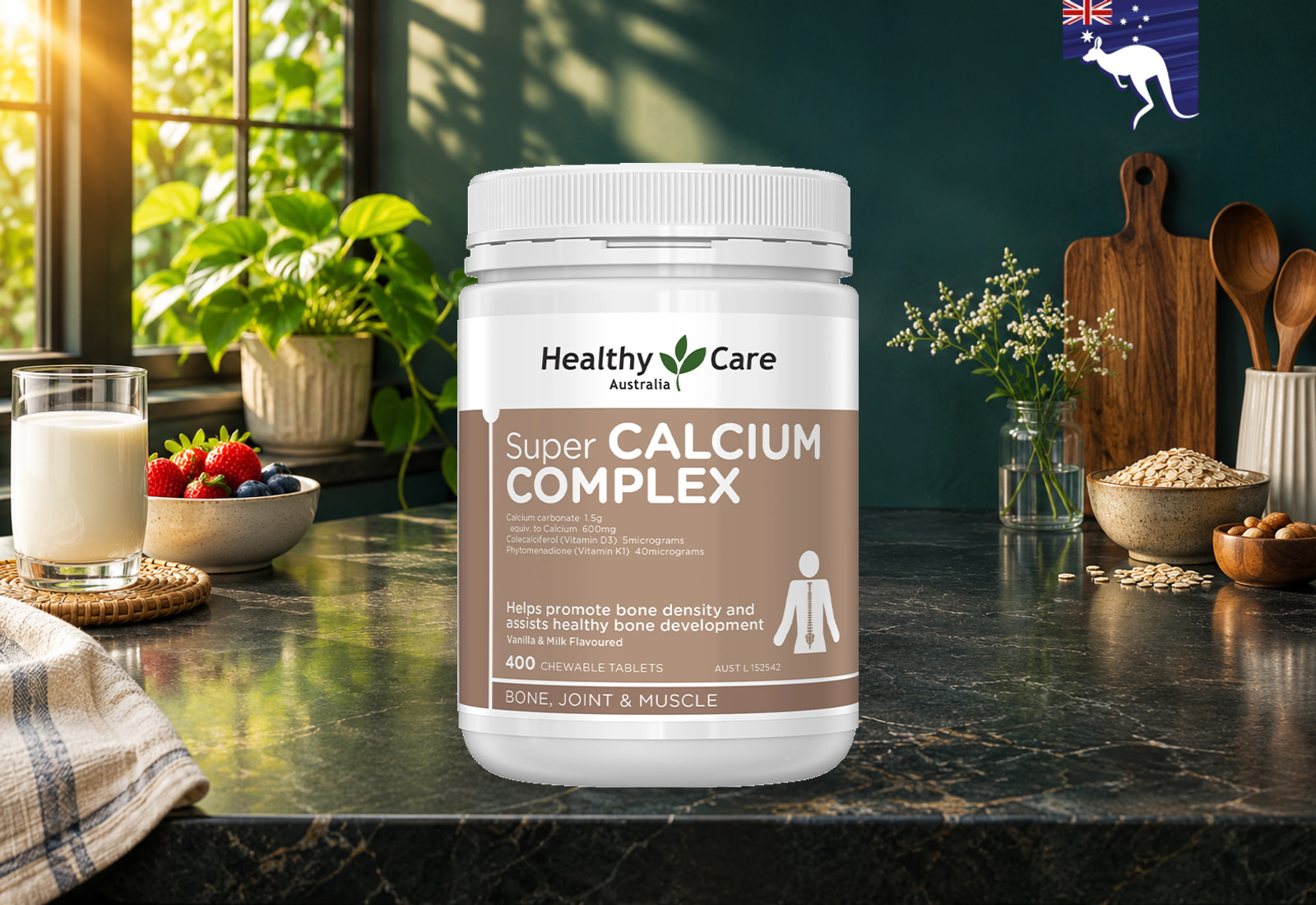
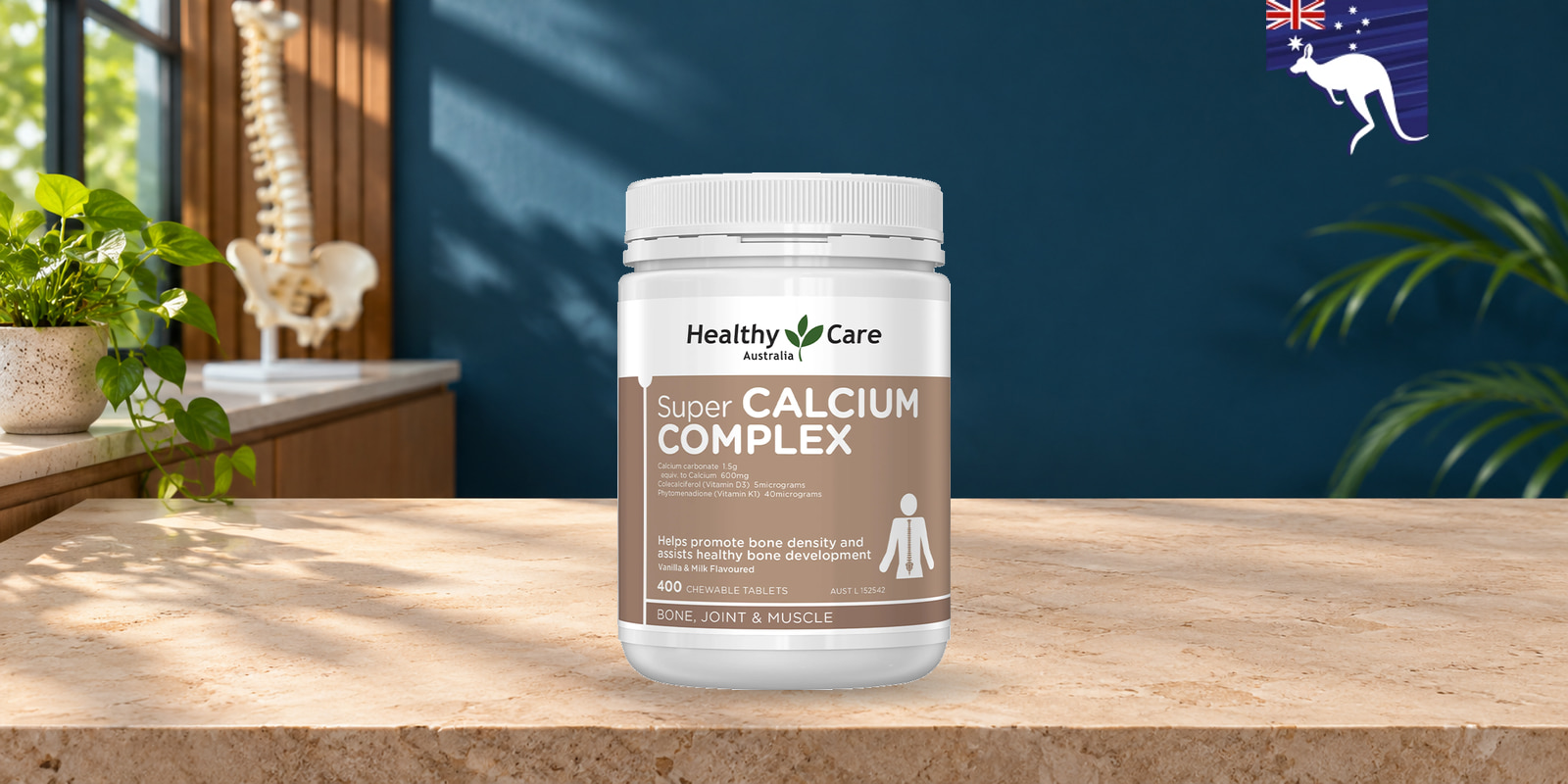
If a clinician advises a supplement, ask how much elemental calcium should come from the tablet and when to review it. Bring that figure to the pharmacy or compare it with the amount per serving on the product page. That gives you a reason for choosing a particular strength.