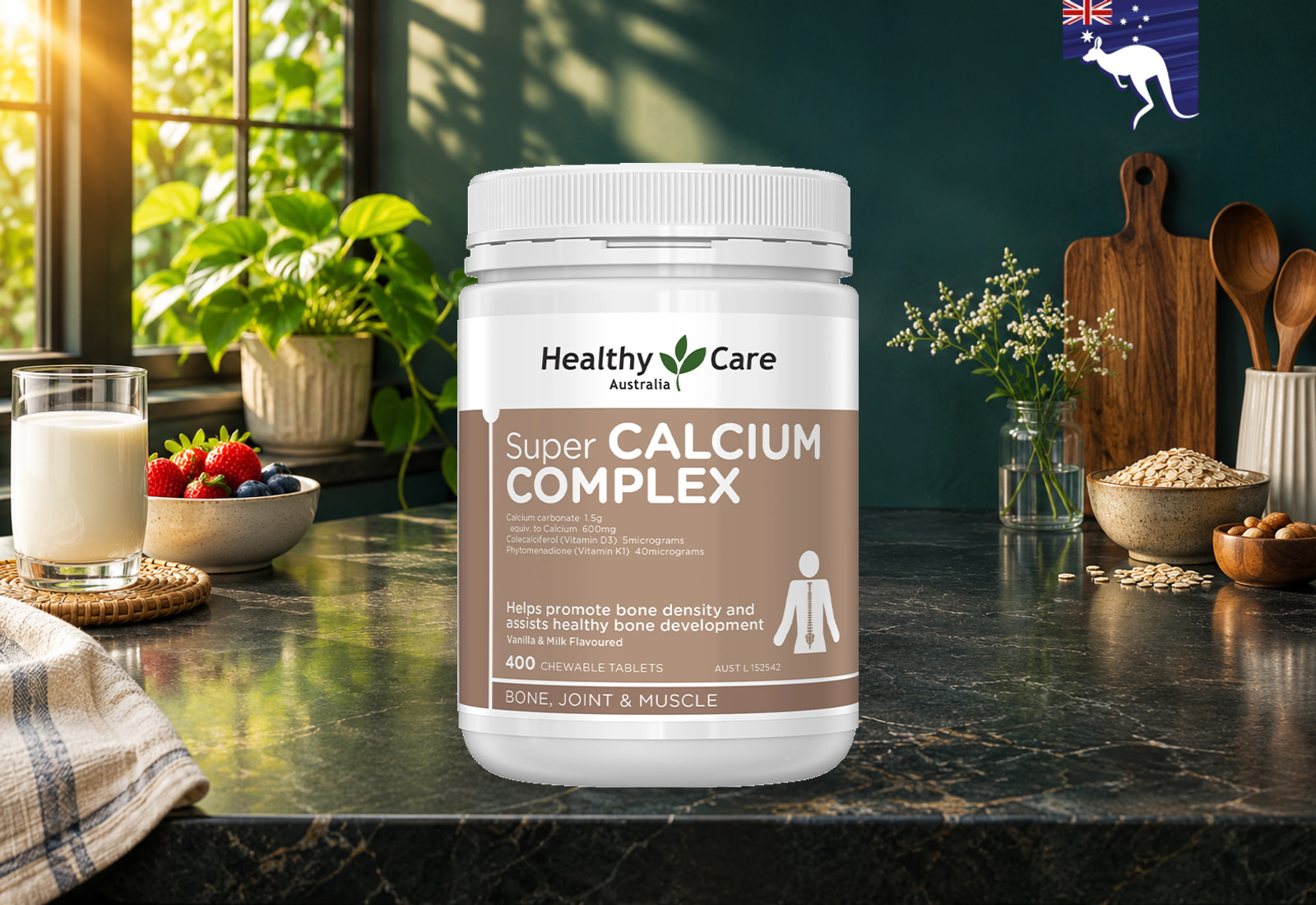
Calcium Citrate vs Calcium Carbonate: Which Calcium Tablet Should You Choose?
Choosing a calcium tablet gets easier once you know how much calcium you need from it, when you can take it and how well you tolerate it. Use these details to compare citrate and carbonate labels and work out what each option costs per day.
Quick Answer
Calcium carbonate suits people who can take it with a meal. Calcium citrate can be taken with or without food and depends less on stomach acid. Compare the elemental calcium per tablet and the number of tablets in the suggested serving before deciding.
Key Takeaways
- Check the amount labelled elemental calcium or equivalent calcium. The weight of the whole compound can look much larger.
- Carbonate is typically taken with food. Citrate is a useful alternative if meals are irregular or carbonate causes constipation.
- Divide the pack price by the days it will last at your agreed daily amount to compare value in taka.
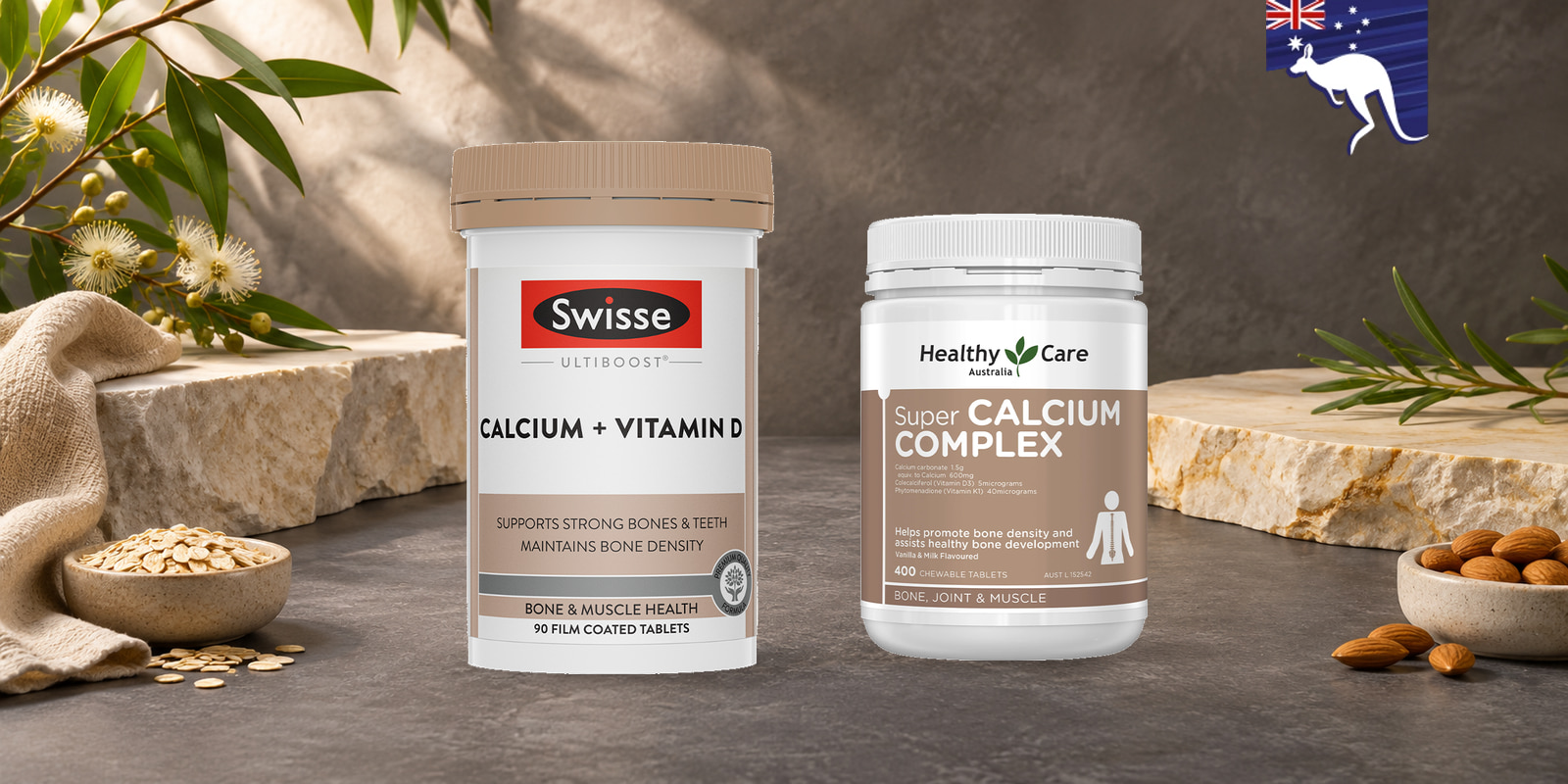
Look at two calcium bottles and the bigger number on the front often catches your eye first. Turn them around. One number may describe the weight of the calcium compound, another the calcium you actually get, and a third the amount in two tablets. Once you find the right line on the label, the choice between calcium citrate and calcium carbonate becomes much simpler.
Start with the calcium you need from the tablet
Citrate and carbonate deliver the same mineral. The words describe what the calcium is attached to. Daily calcium targets include food. A supplement can cover a gap if changing your meals is difficult.
For example, if a dietitian estimates that your usual food intake leaves a gap of around 300 mg, that is the figure to take shopping. A tablet close to that amount may be more useful than a product supplying a full day’s calcium. Someone with a diagnosed medical condition may have different instructions.
Citrate or carbonate with your meal?
Think of when the tablet will actually fit. If rice and dal at lunch is your one dependable sit-down meal, carbonate can work well with it. Stomach acid helps dissolve this form, and carbonate is best taken with food. Someone who forgets it with lunch and takes it hours later on an empty stomach may find another form easier.
Calcium citrate gives you more flexibility. You can take it with a meal or between meals, subject to the directions on your pack. It also depends less on stomach acid. If you take long-term acid-suppressing medicine, ask a pharmacist whether citrate makes sense alongside your treatment.
Check the directions on your pack. A combination tablet may have meal instructions for its other ingredients.
Find the elemental calcium on an Australian label
Look for ‘calcium’, ‘equiv. calcium’ or ‘equivalent to elemental calcium’ in the active ingredients. Then check the heading above it. ‘Each tablet contains’ gives a different answer from ‘amount per two-tablet serving’. You do not need to calculate the chemical weight if the label already gives the calcium amount.
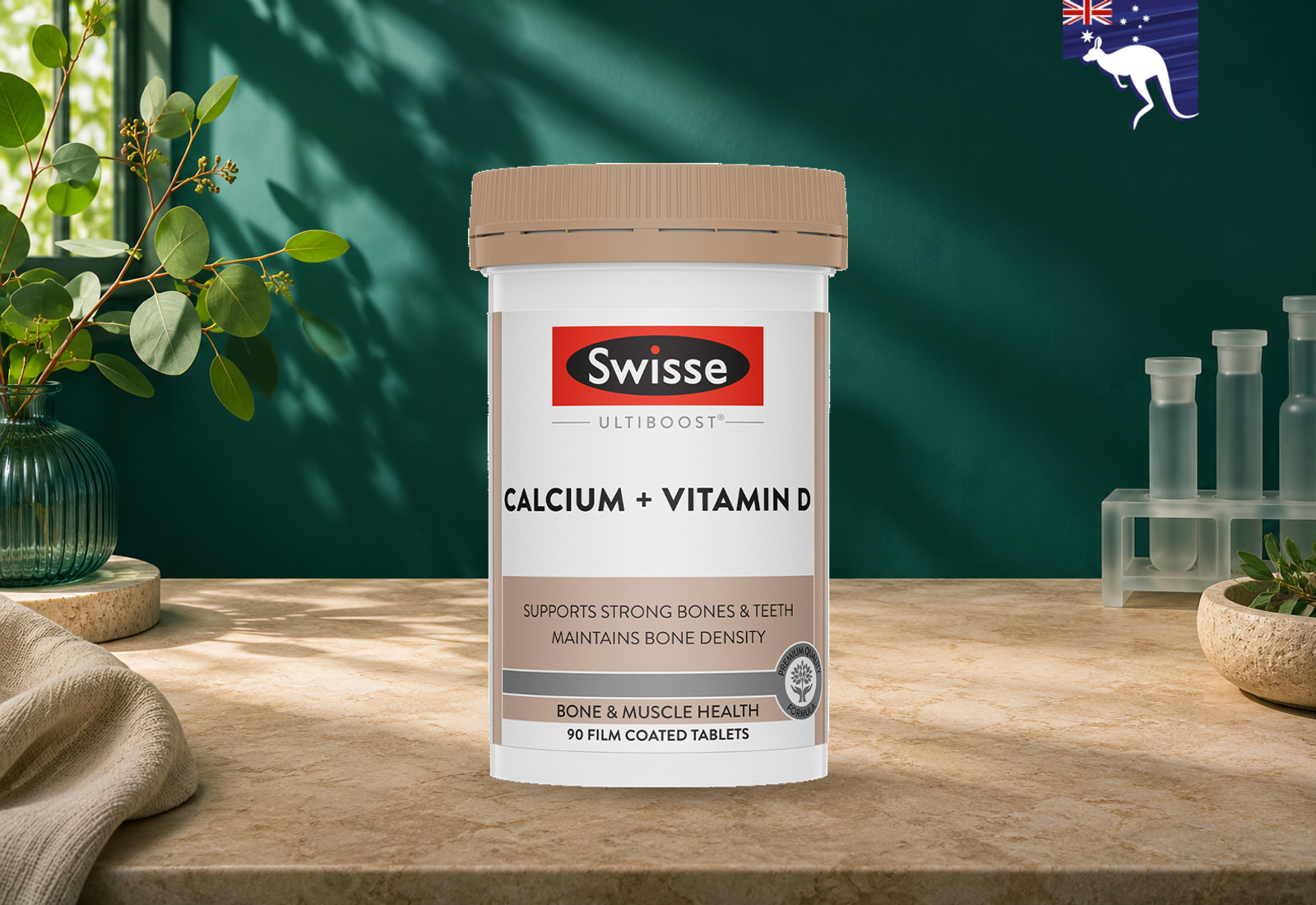
Swisse Australia lists 333.33 mg of calcium from calcium citrate tetrahydrate in each film-coated Ultiboost Calcium + Vitamin D tablet. That figure already gives the calcium amount. Check your exact formulation, since mini-tablets can differ.
A different label might say that 1,250 mg of calcium carbonate is equivalent to 500 mg of calcium. The 500 mg is the number to compare. Carbonate contains roughly 40% elemental calcium by weight, so a larger-looking number on the front can still deliver a similar amount.
What if calcium makes you bloated or constipated?
Some people develop gas, bloating or constipation, particularly with carbonate. If the supplement is prescribed, tell the pharmacist which product you took, the amount and whether you took it with a meal. Changing the form or splitting a clinician-advised amount across the day may help. A chewable tablet may still contain carbonate, so check what actually changed.
The proportion your body absorbs is generally highest with supplemental amounts of 500 mg elemental calcium or less at one time. Follow the total your clinician recommends and ask how to divide it if needed.

Swisse Ultiboost Calcium + Vitamin D
Swisse Ultiboost Calcium + Vitamin D. Per tablet: elemental calcium 333.33 mg from citrate and D3 8.33 micrograms. Compare Bangladesh pack prices and directions.
Compare the cost of the routine
A 90-tablet pack lasts 45 days at two tablets per day. Divide the pack price by 45 to get the daily cost. For a 60-tablet pack taken once daily, divide its price by 60. Compare these figures only when each option supplies the amount agreed for you.
If you are ordering for a parent, ask whether the tablet is comfortable to swallow. Match the pack, active ingredients and expiry date to what you intended to buy.
Check your other medicines before switching
If you take levothyroxine, calcium carbonate needs to be separated from it by at least four hours. Some antibiotics also interact with calcium, and their intervals vary. Show your medication list to the pharmacist. Include antacids and multivitamins, which can supply additional calcium.
If you have kidney disease, recurrent kidney stones or a history of high blood calcium, ask your clinician to choose a suitable amount before ordering. Once you know the dose and timing, compare the products that meet those two requirements.