Iron-Rich Foods in Bangladesh: What Can You Eat With Rice and Dal?
Rice and dal can be a good starting point for an iron-rich meal. This guide shows how to use lentils, chickpeas, greens, fish or meat you already buy in Bangladesh, and how to pair them with seasonal fruit or vegetables.
Quick Answer
Serve rice with a generous helping of lentils or chickpeas, add shak, fish or beef, and include a vitamin C food such as guava, tomato or lemon. Drink tea between meals if you are trying to get more iron from food.
Key Takeaways
- A thicker serving of dal puts more lentils on the plate. A bowl of thin dal can hold very little pulse.
- Guava, tomato and lemon bring vitamin C to a meal, helping your body absorb iron from plants.
- Persistent tiredness or a low haemoglobin result deserves medical assessment. Food changes can support treatment once the cause is clear.
Two people can sit down to rice and dal from the same pot and eat quite different amounts of iron. One ladles out mostly broth. The other stirs the pot first, serves the lentils, and eats a few slices of guava afterwards. If you are looking for iron-rich foods in Bangladesh, that everyday plate is a useful place to start.
What can you add to rice for iron?
Masoor dal, moong dal and chhola are practical staples. Red amaranth (lal shak) and spinach (palong shak) can contribute too. For households that eat animal foods, beef and some fish provide iron in a form the body generally absorbs more readily. The amount varies with the cut of meat or species of fish and the portion you actually eat.
Think about what a spoonful contains. A ladle of beef curry with a small piece of meat delivers a different meal from a ladle of gravy. Likewise, a big bowl of thin dal can contain fewer lentils than a small helping of thick dal. If you enjoy thin dal, keep it that way and serve some of the cooked lentils with each portion.
Three meals you can put together from the same shopping basket
Pick one of these for the next lunch you cook. Each uses a familiar staple, a food that contributes iron and something fresh to go beside it.
- A weekday vegetarian lunch. Serve rice with a thick masoor dal, a spoonful of lal shak bhaji and sliced tomato. Add lemon at the table. If tomatoes are expensive this week, a few pieces of ripe guava after lunch work too.
- Fish curry day. Keep the usual fish and rice and add a scoop of dal. The fish and pulses both contribute, and a tomato salad gives the meal vitamin C. Make the salad a side everyone can share.
- A one-pot evening meal. Use a little more dal in your usual khichuri and stir in whatever greens you have. On a day you cook beef, a modest portion of beef bhuna can sit alongside it. On a meat-free day, cooked chhola works well instead.
How much iron is in a serving of cooked dal?
The Food Composition Table for Bangladesh gives estimates per 100 grams of boiled pulses prepared without salt. It lists about 2.2 mg of iron for masoor dal, 2.9 mg for split moong dal and 4 mg for whole chhola. These are amounts in the cooked food before extra water, gravy or other ingredients are added. All three are worthwhile everyday choices.
Here is a way to use the figures. If you share 200 grams of cooked chhola equally between two people, each gets roughly 4 mg of iron from the chickpeas. Putting that same amount into a family curry for four gives each person about 2 mg. Tomato, spices and the size of the bowl do not change how many chickpeas were shared. Once you see what your usual portion looks like, there is little reason to weigh lunch each day.
What do lemon and guava actually do?
The iron in plants is called non-haem iron. Vitamin C eaten at the same meal helps the body absorb it. The lemon squeezed over dal and the guava packed with your lunch serve a similar purpose. You can choose the one that is in season, tastes good and travels well.
Food composition tables list iron in a particular weight of food. That number cannot tell you exactly how much your body will take up from your lunch. Dried lentils also absorb water and become heavier during cooking. When using a chart, look up boiled lentils for a cooked serving. Counting the same weight of dry lentils can make the meal appear far richer than it is.
Where does milk tea fit?
Tea contains compounds that can reduce absorption of plant iron when you drink it with food. If most of your iron comes from dal and shak, enjoy your cha between meals. You might take water with lunch and have tea on an afternoon break. Coffee is also best moved away from the meal when iron intake is a concern.
If tea and biscuits usually take the place of a meal, the first change is to eat something substantial. A bowl of chhola with tomato, or leftover dal and rice, will do more for the day's iron intake than endlessly adjusting your tea schedule.

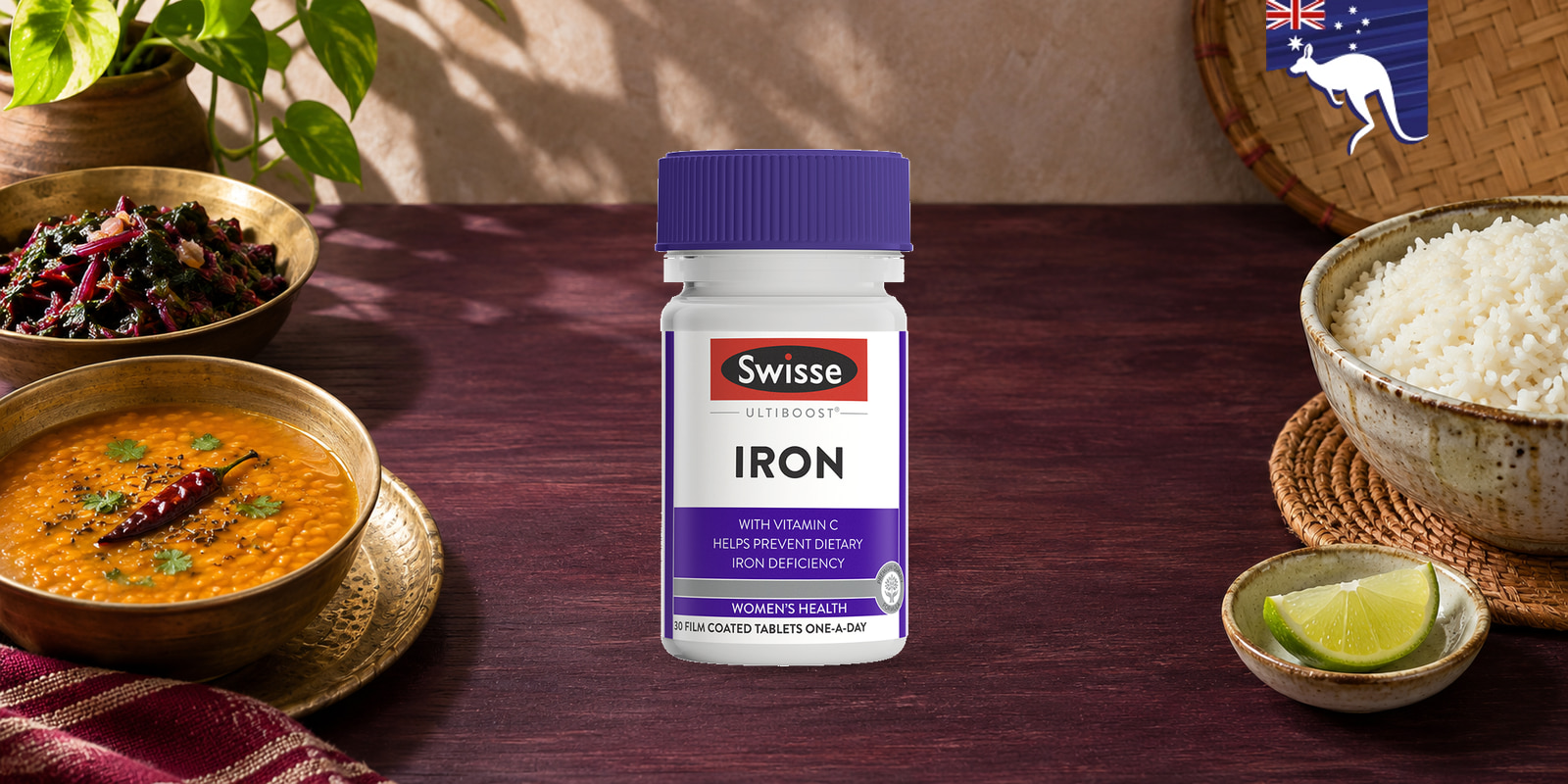
Swisse Ultiboost Iron
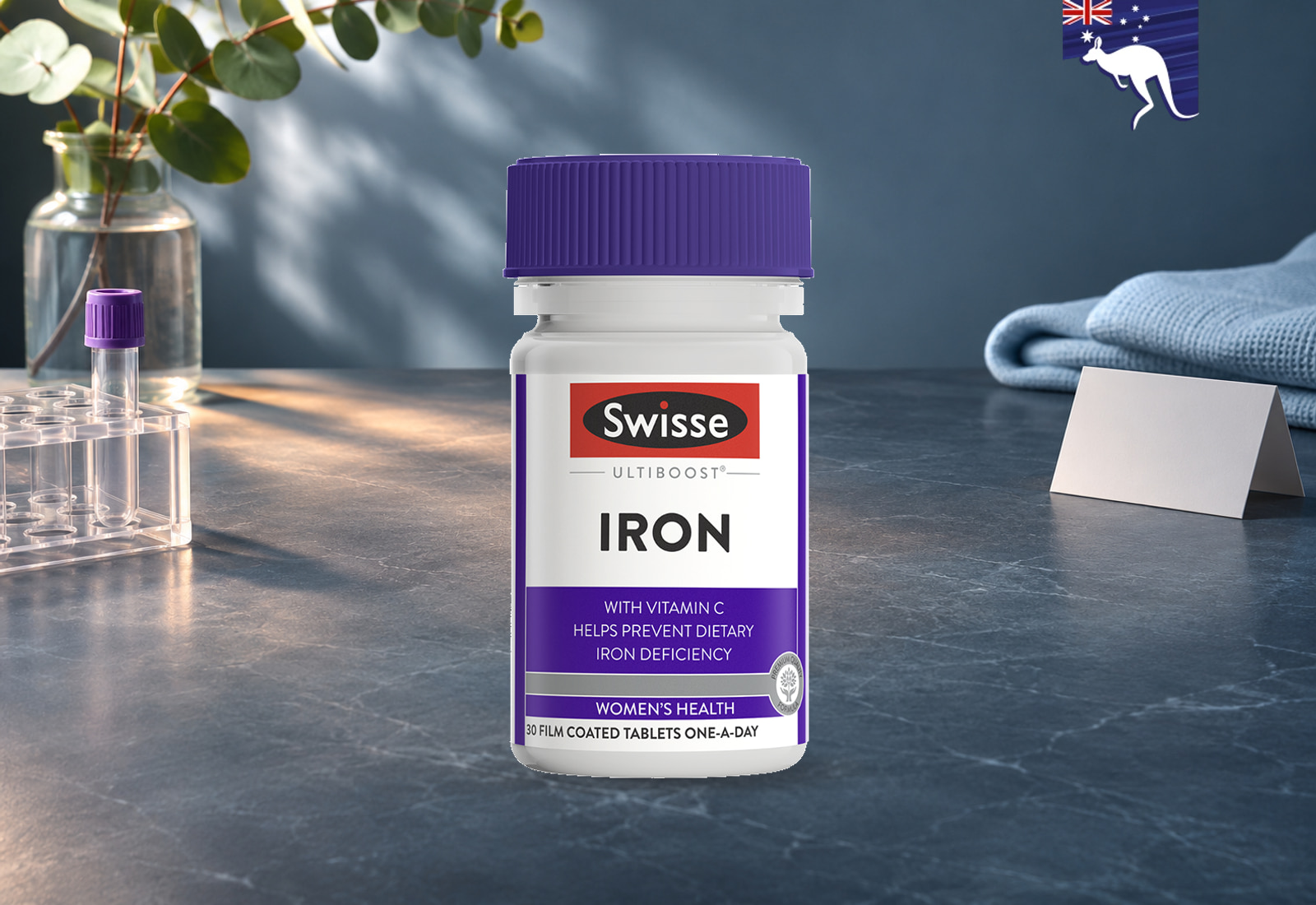
Swisse Ultiboost Iron. Per tablet: elemental iron 20 mg from amino acid chelate, vitamin C 16.52 mg and B6 8.22 mg, with other ingredients. Compare the selected Bangladesh pack pri...
What to buy if the food budget is tight
Choose one pulse you will cook, one leafy vegetable and one seasonal source of vitamin C. You can use the same pulse differently over a few meals. The masoor you cook for lunch can go into tomorrow's khichuri. A pot of plain chhola can become a curry for dinner and a small snack with tomato and lemon another day.
If you buy fortified cereal or packaged flour, check whether the ingredients or nutrition panel actually lists iron. Compare the serving on the label with the amount you eat. An imported breakfast cereal is an optional convenience. Dal, chhola and seasonal produce are sensible foods to spend on first.
When a food change is only part of the answer
Heavy periods, pregnancy and blood loss can increase iron needs or deplete stores. Anyone with ongoing breathlessness, unusual tiredness or a previous low haemoglobin result should speak to a clinician. The cause affects the treatment. If you already take prescribed iron, keep following that plan while improving meals.
For the next shop, choose the meal you will make before you choose the ingredient. Buying chhola for Saturday lunch, a tomato to slice through it and guava to finish gives every purchase a job. That is an easier habit to repeat than buying a long list of supposedly essential foods.