Best Supplements to Take During Ramadan in Bangladesh (Immunity & Energy Guide)
Fasting 14+ hours in Bangladesh’s heat can drain your energy and weaken immunity. This Ramadan guide explains the best supplements to take during fasting, including Vitamin C, Zinc, Gut Support, and Daily Immune formulas. Learn what to take at Sehri vs Iftar to prevent fatigue, dehydration, bloating, and seasonal flu.
Ramadan is a time of spiritual reflection and discipline, but in the heat and humidity of Bangladesh, fasting for 14+ hours can take a toll on your physical energy and immune system. How do you stay active for office and Taraweeh prayers without feeling exhausted? The secret lies in smart nutrition. This guide breaks down the best supplements to take during Ramadan to maintain peak immunity, energy, and digestion.
Quick Navigation: Ramadan Health Guide
What Should I Take?
During Ramadan in Bangladesh, the best supplements to support your body are Vitamin C (for immunity against heat/dust), Zinc (for tissue repair), Probiotics/Gut Support (for Iftar digestion), and B-Vitamins (for sustained energy). These help counteract dehydration, irregular sleep, and the nutritional gaps caused by skipping midday meals.
Why Immunity & Energy Drop During Ramadan
Fasting has incredible detoxification benefits, but the transition period places stress on the body. In the context of Bangladesh, this stress is amplified by environmental factors.
1. The "Fried Food" Effect
In Bangladesh, Iftar often equals oily foods like piyaju, beguni, and excessive sugar. While tasty, these foods provide empty calories but lack the micronutrients (vitamins) your immune system needs to recharge after a 14-hour fast.
2. Dehydration & Heat
Ramadan often falls during the hot months. Sweating leads to electrolyte loss. When you are dehydrated, your mucus membranes dry out, making it easier for viruses to enter your system.
3. Sleep Disruption
Waking up for Sehri (Suhoor) disrupts your circadian rhythm. Lack of deep sleep increases cortisol (stress hormone), which directly suppresses immune function.
4. Gut Imbalance
Large, heavy meals after a long fast shock the digestive system, leading to bloating, gas, and poor nutrient absorption. Immunity starts in the gut, so poor digestion equals poor defense.
The 4 Essential Supplements for Ramadan
To stay strong from the first fast to Eid, consider adding these four pillars of health to your routine.
1) The All-Rounder: Swisse Ultiboost Daily Immune Support
Best For: Maintaining energy and defense throughout the month.
You don't want to swallow 5 different pills after a heavy Iftar. This comprehensive formula combines Zinc, Vitamin C, and Copper with Olive Leaf Extract. It covers your nutritional bases in one go.
- Why it wins: Convenience. One tablet covers immunity and recovery.
- Timing: Immediately after Iftar.
"Your Iftar Companion. Just one tablet ensures you don't wake up feeling drained for Sehri."

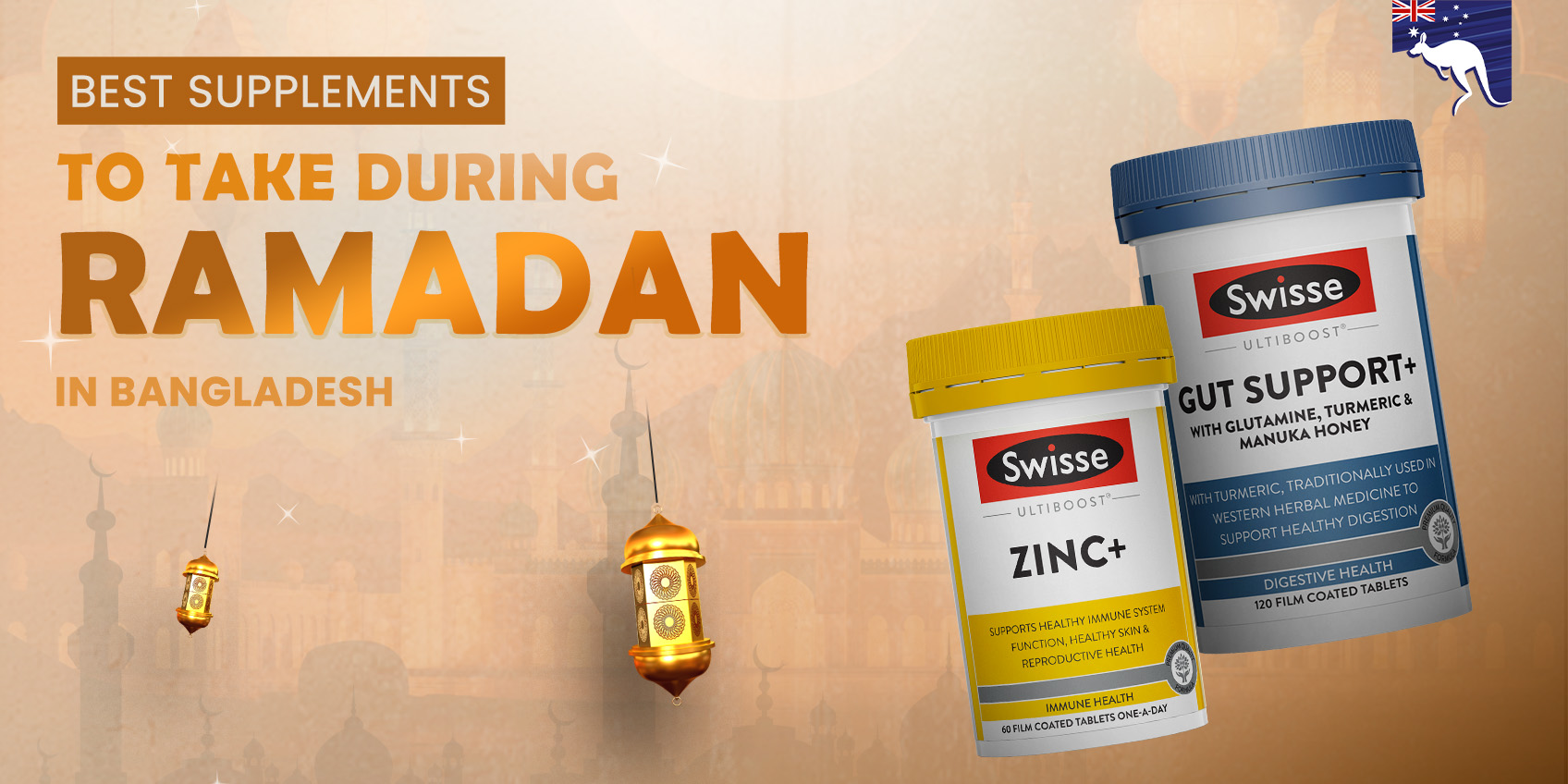
2) The Digestion Saver: Swisse Ultiboost Gut Support+
Best For: Preventing bloating, gas, and heaviness after Iftar.
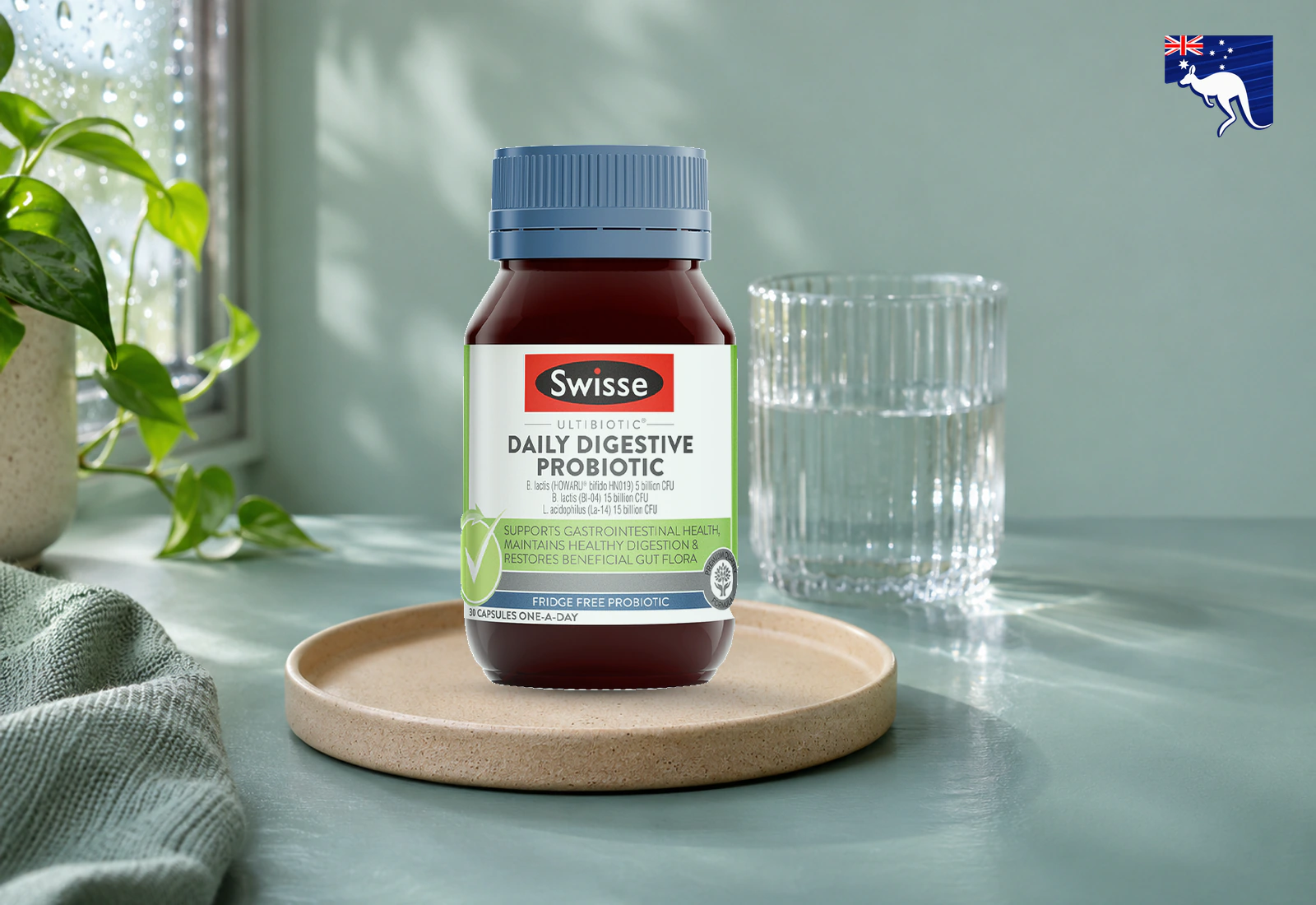
The sudden influx of food at Iftar can overwhelm your stomach. This formula contains Turmeric, Glutamine, and Zinc to soothe the digestive lining and support healthy gut function.
- Why it wins: It specifically targets the bloating common with fried Ramadan foods.
- Timing: With Iftar meal.
"Eat Iftar without the regret. Stop the bloating before it starts so you can focus on your prayers."

3) The Hydration & Immunity Booster: Swisse High Strength Vitamin C
Best For: Those prone to colds, sore throats, or dehydration headaches.
Fasting causes oxidative stress. Vitamin C is a powerful antioxidant that protects your cells. The "Effervescent" (dissolvable) version helps you hydrate while getting your dose, but this high-strength tablet is great for sustained release.
- Why it wins: Non-acidic formula means it won't hurt your empty stomach after Iftar.
- Timing: After Iftar.
"Don't let a summer cold break your fast. Strengthen your shield daily."

4) The Recovery Agent: Swisse Ultiboost Zinc+
Best For: Preventing muscle loss and maintaining sense of taste/smell.
Zinc is critical for protein synthesis. Since protein intake often fluctuates during Ramadan, Zinc helps your body repair tissue. It also supports immunity against viruses.
- Key Feature: Enhanced with Vitamin A and B6 for better absorption.
- Timing: With a meal (never on empty stomach).
"Recover faster. Whether it's from the day's heat or the lack of sleep, Zinc helps your body bounce back."

Best Time to Take Supplements: Sehri or Iftar?
Timing is critical during Ramadan. Taking the right vitamin at the wrong time (e.g., on an empty stomach at Iftar) can cause nausea.
| Supplement | Best Time | Reason |
|---|---|---|
| B-Vitamins / Zinc | Sehri (Suhoor) or Iftar | With food to prevent nausea. B-Vitamins give energy for the day. |
| Vitamin C | After Iftar | Can be acidic; needs food buffer. Helps hydration and recovery. |
| Gut Support | With Iftar | Prepares the stomach for the sudden food intake. |
| Iron | After Iftar | Avoid taking with tea/coffee. Needs food to prevent nausea. |
Common Ramadan Mistakes
- ❌ Skipping Supplements: Thinking "I am fasting, I shouldn't take pills." Your body needs them more now due to the shorter eating window.
- ❌ Taking All at Once: Swallowing 5 pills right at Azan time shocks the stomach. Spread them out.
- ❌ Ignoring Water: Supplements need water to dissolve. Aim for 2-3 liters between Iftar and Sehri.
Quick Decision: Which One Do You Need Most?
Frequently Asked Questions (FAQs)
1. Does taking supplements break the fast?
Taking supplements during fasting hours (sunrise to sunset) breaks the fast. However, taking them between Iftar and Sehri is perfectly permitted and recommended for health.
2. Can I take Fish Oil/Omega-3 during Ramadan?
Yes! Omega-3s are great for brain health and reducing inflammation. Take them with your main dinner (after Iftar) to avoid any "fishy burps" during the fasting day.
3. I get gastric pain easily. What should I do?
Avoid effervescent (fizzing) tablets if you have gas. Stick to tablets or capsules taken in the middle of a meal. Gut Support+ is highly recommended for gastric issues.
4. Is it safe to start a new supplement in Ramadan?
Generally yes, but start with standard doses. Don't experiment with high-potency "mega doses" when your body is adapting to fasting. Stick to trusted brands like Swisse or Healthy Care.
Have a Healthy, Energetic Ramadan
Don't let fatigue hold you back from your spiritual goals. Prepare your body with the right nutrition today.
Explore Related Topics:
References & Scientific Sources
Our recommendations are based on established nutritional science regarding immune function and fasting safety.
- National Institutes of Health (NIH) – Vitamin C
- Harvard Public Health – Zinc and Immunity
- Therapeutic Goods Administration (TGA) Australia
Medical Disclaimer
The information provided in this blog post is for general informational purposes only and does not constitute medical advice. It is not intended to diagnose, treat, cure, or prevent any disease. Always consult with a qualified healthcare professional before starting any new supplement regimen. Australian Goods Bangladesh is a retailer of health products and not a medical service provider.