
Best Omega-3 for Kids in Bangladesh – Chewables, Liquids & DHA %
Confused about which Omega-3 is best for your child in Bangladesh? Fish isn’t always their favourite food, school pressure is high, and screen-time is constantly growing. That’s why many parents are turning to kids’ Omega-3 supplements – especially chewables and liquids with clear DHA % for brain, learning and vision support. In this guide, you’ll see how to choose the right Omega-3 format and DHA strength for your child, using trusted Australian brands available at Australian Goods Bangladesh.
Key Takeaways – Best Omega-3 for Kids in Bangladesh
- Omega-3 (especially DHA) plays a key role in kids’ brain, learning, behaviour and eye development.
- For most children, DHA matters more than total fish oil mg – always check the DHA amount on the label.
- Chewables, liquids and mini softgels each suit different age groups and eating habits (picky eaters, non-fish eaters, etc.).
- Australian kids’ Omega-3 brands provide clear DHA/EPA content, strict quality testing and age-appropriate dosing.
- Buying from a trusted source in Bangladesh helps you avoid fake, poorly stored or under-dosed products.
What You’ll Learn from This Guide
By the end of this blog, you’ll understand:
- Why Omega-3 and DHA are important for kids in Bangladesh.
- How chewables, liquids and softgels compare for children of different ages.
- What DHA % or DHA mg to look for on kids’ Omega-3 labels.
- Which Australian kids’ Omega-3 products may fit your child’s age, routine and preferences.
- How to use Omega-3 safely as part of a healthy lifestyle, not a replacement for good food or medical care.
Quick Navigation: Your Kids’ Omega-3 Decision Guide

best omega-3 for kids Bangladesh, kids fish oil chewable BD, children DHA supplement Bangladesh, Swisse Kids Fish Oil Bangladesh, Healthy Care Kids DHA Bangladesh
Why Omega-3 Matters So Much for Kids in Bangladesh
Children’s brains grow and develop rapidly, especially in the early years and throughout school life. Omega-3 fatty acids, particularly DHA (Docosahexaenoic Acid), are key building blocks for brain cells, the retina (eyes), and the nervous system. That’s why Omega-3 is often linked with focus, behaviour, learning and vision.
In Bangladesh, many children don’t eat fatty fish regularly or may dislike the taste. Busy routines, exam pressure, processed snacks and high screen-time can make it even harder to maintain an ideal diet. As a result, Omega-3 and DHA intake can fall behind what growing brains actually need.
A well-chosen kids’ Omega-3 supplement from a trusted Australian brand can help fill these small nutritional gaps – not as a magic solution, but as a gentle, consistent support alongside good food, sleep and healthy routines.
Understanding DHA % for Kids – What Should Parents Look For?
When comparing kids’ Omega-3 products, it’s easy to focus on the total fish oil mg. But for brain and eye support, DHA content is more important than just “fish oil 500 mg” or “Omega-3 1000 mg”. Two products can show the same fish oil amount yet provide very different levels of DHA.
A helpful way to think about it is by looking at the DHA per daily dose, adjusted for your child’s age. The exact ideal dose depends on many factors, but parents often find these general ranges useful as a conversation starting point with their pediatrician:
| Age Group | Typical Daily DHA Range* | Common Supplement Style |
|---|---|---|
| 2–4 years | ~40–80 mg DHA | Chewable gummies or measured liquid |
| 5–9 years | ~80–120 mg DHA | Chewables, liquids or small softgels |
| 10–14 years | ~120–200 mg DHA | Higher DHA chewables or softgels |
*These are general reference ranges only, not medical advice. Always follow product labels and your child’s doctor’s guidance.
When you read labels on Australian kids’ Omega-3 products, you’ll usually see DHA and EPA clearly listed per capsule or per 5 ml. That clarity makes it easier to choose a product that fits your child’s age, diet and routine.
kids DHA dosage Bangladesh, DHA percent in kids fish oil, how much DHA for children BD
Chewables vs Liquids vs Softgels – Which Omega-3 Format Fits Your Child?
Omega-3 for kids usually comes in three main forms – chewable gummies, liquids and small softgels/capsules. Each has its own advantages depending on your child’s age, chewing ability, taste preference and routine.
| Format | Best For | Pros | Things to Consider |
|---|---|---|---|
| Chewables (Gummies/Soft Chews) | Picky eaters, younger kids who like “treat-like” textures | Easy to give, child-friendly taste and fun format | Need to follow dosage carefully; remind kids these are supplements, not candy |
| Liquids | Children who can’t chew gummies or swallow capsules | Flexible dosing, can be mixed with food (if label allows) | Parents must measure correctly; some kids are sensitive to taste |
| Softgels/Capsules | Older kids and teens comfortable swallowing small capsules | Higher DHA in fewer units, convenient for school-going children | Not suitable for very young kids who can’t swallow capsules safely |
The “best” format is usually the one your child can take consistently and safely without stress or daily conflict. For younger kids and fussy eaters, chewables are often the easiest starting point, while older children may prefer a quick capsule.
Best Australian Kids’ Omega-3 Supplements in Bangladesh: Our Top Picks
At Australian Goods Bangladesh, we focus on genuine, batch-tracked Omega-3 products from trusted Australian brands. Below are three popular kids’ Omega-3 options that cover different ages, preferences and DHA needs, so you can choose what feels right for your child and family.
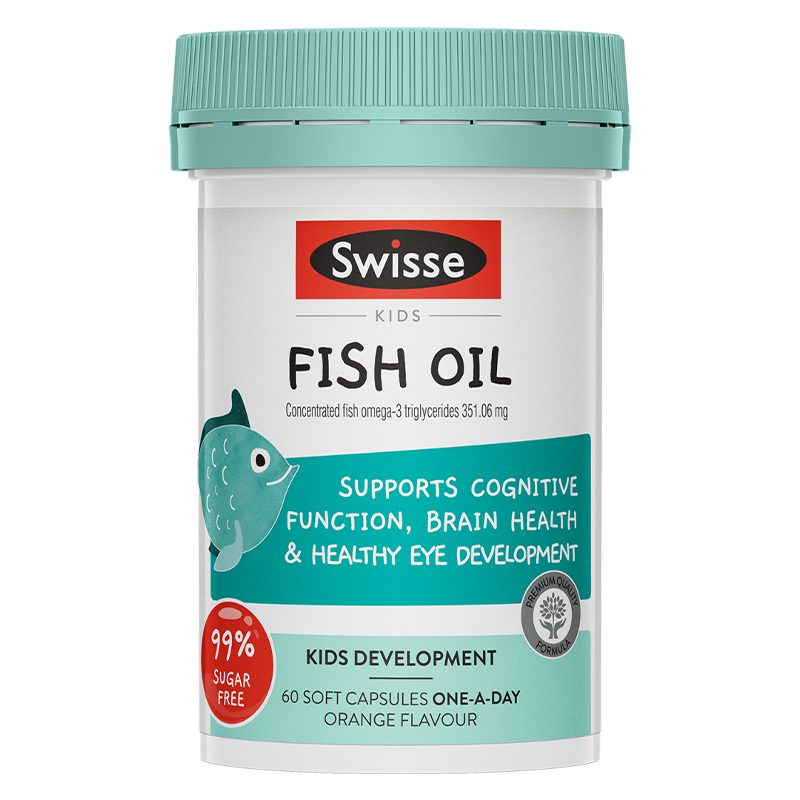
1) Swisse Kids Fish Oil – Daily Omega-3 for Growing Minds
What it does: Swisse Kids Fish Oil provides a child-friendly source of Omega-3 fatty acids, including DHA and EPA, to support normal brain function, behaviour, learning and eye health. It’s designed to help fill the gap when children don’t eat enough fatty fish in their usual Bangladeshi diet.
- Best for: School-going children who need gentle, ongoing support for focus, learning and general wellbeing.
- How to take: Follow the age-based dosage on the label. Make it part of a routine (for example, with breakfast) so it’s easy to remember.
- Common mistakes: Treating supplements as a quick fix for study pressure or skipping healthy meals and sleep while expecting Omega-3 alone to do everything.
Want steady support for your child’s learning? Swisse Kids Fish Oil is a trusted way to top up daily DHA alongside school, tuition and screen-time demands.
2) Healthy Care Kids High Strength DHA – Extra DHA in Child-Friendly Form
What it does: Healthy Care Kids High Strength DHA is formulated to deliver higher levels of DHA per serve compared to many basic kids’ fish oils. This makes it especially useful for children where parents and healthcare professionals want to focus on brain, learning and eye function more directly.
- Best for: Children who may benefit from a higher DHA intake – for example, picky eaters, low fish intake or periods of intense study and exams.
- How to take: Use exactly as directed on the product label. If you have questions about dose for your child’s age, check with a pediatrician in Bangladesh.
- Common mistakes: Doubling doses “just in case” or combining multiple DHA products without professional advice.
Need more focused DHA support? This high-strength kids’ DHA formula is a strong option when you want targeted brain and eye nutrition from an Australian brand.

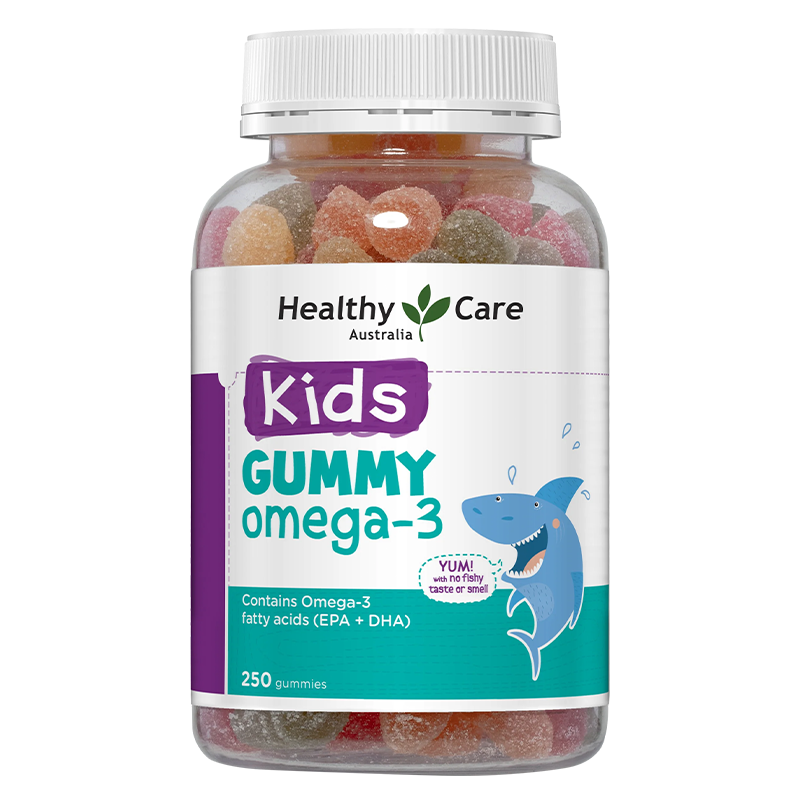
3) Healthy Care Kids Gummy Omega-3 – Tasty Support for Picky Eaters
What it does: Healthy Care Kids Gummy Omega-3 provides essential Omega-3 fatty acids in a delicious, chewable gummy format that children actually enjoy. It’s designed to make it easier for parents to support brain, eye and general health when kids resist fish or traditional capsules.
- Best for: Younger children or picky eaters who dislike liquid fish oil or struggle with swallowing softgels.
- How to take: Follow the recommended number of gummies per day by age. Supervise children so they chew properly and don’t treat gummies like unlimited sweets.
- Common mistakes: Exceeding the daily gummy count “because they taste good” or using gummies instead of building basic healthy eating habits.
Struggling with a fussy eater? These Omega-3 gummies make it easier to add daily brain and eye support without a battle at mealtimes.
kids omega-3 gummy Bangladesh, Swisse kids fish oil BD, Healthy Care kids DHA supplement, best DHA for school kids Bangladesh
A Simple Daily DHA Routine for School Days in Bangladesh
It’s easier to keep kids on Omega-3 when it becomes part of a gentle, predictable routine that matches school, tuition and family life. Here’s a simple example that many Bangladeshi parents can adapt to their own schedule:
| Time of Day | Focus Area | Practical Ideas |
|---|---|---|
| Morning (Before School) | DHA + balanced breakfast | Give the daily Omega-3 with breakfast (as per label), plus eggs, paratha with protein or porridge where possible. |
| School & Daytime | Steady energy and hydration | Pack water, light healthy snacks and explain that supplements are just one part of staying strong and focused. |
| Afternoon/Evening | Homework, tuition, screen-time control | Keep screen breaks, encourage reading or play, not just continuous devices. Omega-3 supports the brain, but lifestyle matters too. |
| Night | Sleep and recovery | Fix a regular bedtime as much as possible. Good sleep works together with DHA to support mood, memory and learning. |
A consistent, realistic routine makes it easier for Omega-3 to become a natural part of your child’s day – not a struggle.
Beyond Omega-3: Supporting Your Child’s Brain in a Holistic Way
Omega-3 is an important piece of the brain-health puzzle, but it works best alongside a balanced lifestyle. In today’s busy Bangladeshi context – school, coaching, traffic, screen-time – small changes can still add up.
Nutritious, Regular Meals
Aim for a mix of whole grains, proteins, fruits and vegetables. Even if fish intake is low, other nutrient-dense foods support energy and concentration through the day.
Balanced Screen-Time
Long hours on screens can strain eyes, disrupt sleep and impact mood. Short breaks, device-free study blocks and family time without screens help Omega-3 work in a healthier environment.
Consistent Sleep Routine
Children need sufficient, good-quality sleep for memory and mood regulation. Try to keep a fixed bedtime and calming pre-sleep routine, especially on school nights.
Emotional Support & Encouragement
Gentle motivation, listening to their worries and avoiding constant comparison with other children all support emotional resilience – which works hand in hand with good nutrition for overall development.
Important Usage Guidance: Your Child’s Safety Comes First
Always follow the age-specific instructions and dosages on each product label. Before starting any new supplement for your child – especially if they have existing health conditions, take regular medication or have food allergies – please consult a pediatrician or qualified healthcare professional in Bangladesh. Omega-3 supplements support health but do not replace medical care, balanced meals, physical activity or good sleep.
Ready to Choose the Right Omega-3 for Your Child in Bangladesh?
Explore our curated range of authentic Australian kids’ Omega-3 supplements at Australian Goods Bangladesh. From chewable gummies to higher-strength DHA softgels, you can pick what fits your child’s age, taste and routine – with the peace of mind that you’re buying original products stored with care.
❓ Frequently Asked Questions (FAQs) – Kids’ Omega-3 in Bangladesh
1. Is Omega-3 safe for kids to take every day?
Yes—most children can take Omega-3 safely when used as directed. Follow label dosing and check with a pediatrician if your child has allergies or health conditions.
2. Does Omega-3 help with focus and learning?
DHA supports normal brain function, behaviour and vision. It’s helpful but not a replacement for good sleep, nutrition or study habits.
3. Which is better for kids – chewables, liquids or capsules?
Chewables suit picky eaters, liquids suit toddlers, and small softgels work for older kids. The best format is whatever your child can take consistently.
4. How long does Omega-3 take to work for kids?
Effects are gradual. Some parents notice changes within weeks, but consistent use over months gives the best support.
5. Do kids need Omega-3 if they already eat fish?
Regular fatty fish intake may cover their needs, but many Bangladeshi children eat little fish. Supplements can help fill nutritional gaps when diets are inconsistent.
6. How can I avoid fake or low-quality Omega-3 for kids in Bangladesh?
Buy sealed, batch-tracked products from trusted retailers like Australian Goods Bangladesh. Avoid unlabelled or extremely cheap fish oils from random online pages.
Medical Disclaimer: Please Read Carefully
The information provided in this blog post is for general educational purposes only and does not constitute medical advice. It is not intended to diagnose, treat, cure or prevent any disease. Always consult with a qualified pediatrician or healthcare professional in Bangladesh (or your local region) before starting any new supplement for your child, especially if they have pre-existing health conditions, take regular medications or have known allergies. Individual responses to supplements can vary. Australian Goods Bangladesh is a retailer of health products and not a medical service provider.
Share:
Related Posts


Keep your little ones strong and smiling this cold & flu season! Explore the top 5 children’s vitamins trusted in Austra...