Antibiotics vs Probiotics: What’s the Difference for Gut Health?
Two capsules can have very different jobs. See what antibiotics and probiotics do, how to recognise an antibiotic pack in Bangladesh, and what to ask at the pharmacy if a probiotic is suggested alongside your prescription.
Quick Answer
Antibiotics treat certain bacterial infections. Probiotics contain live microbes studied for specific benefits. Some preparations may lower the chance of diarrhoea during antibiotic treatment, but they cannot replace an antibiotic. If you are offered both, ask which infection the medicine treats and what the supplement is expected to do.
Key Takeaways
- In Bangladesh, look for the red antibiotic marking and the medicine name on the original pack.
- A probiotic trial applies to a particular strain, dose and reason for use.
- Tell the prescriber if diarrhoea starts during or after antibiotics.
Two capsules sit on the counter. One was prescribed for a urinary infection. The other is labelled “probiotic”. The antibiotic treats the infection. The probiotic contains live microbes and may have been suggested to reduce the chance of diarrhoea during treatment. If you leave the pharmacy with both, ask what each one is for.
Antibiotics vs probiotics at a glance
| Question | Antibiotic | Probiotic |
|---|---|---|
| How does it work? | Kills susceptible bacteria or stops them multiplying. | Delivers live bacteria or yeast in an amount shown to have a specific benefit. |
| What should I check? | The medicine name, strength and prescribed directions. | The strain, amount per serving, expiry date and storage instructions. |
Which one treats an infection?
If a doctor prescribes an antibiotic for a bacterial infection, a probiotic cannot replace it. Colds and flu are caused by viruses, so antibiotics do not speed up recovery from either. Similar symptoms can have different causes. Never take someone else’s leftover tablets. CDC guidance on antibiotic use.
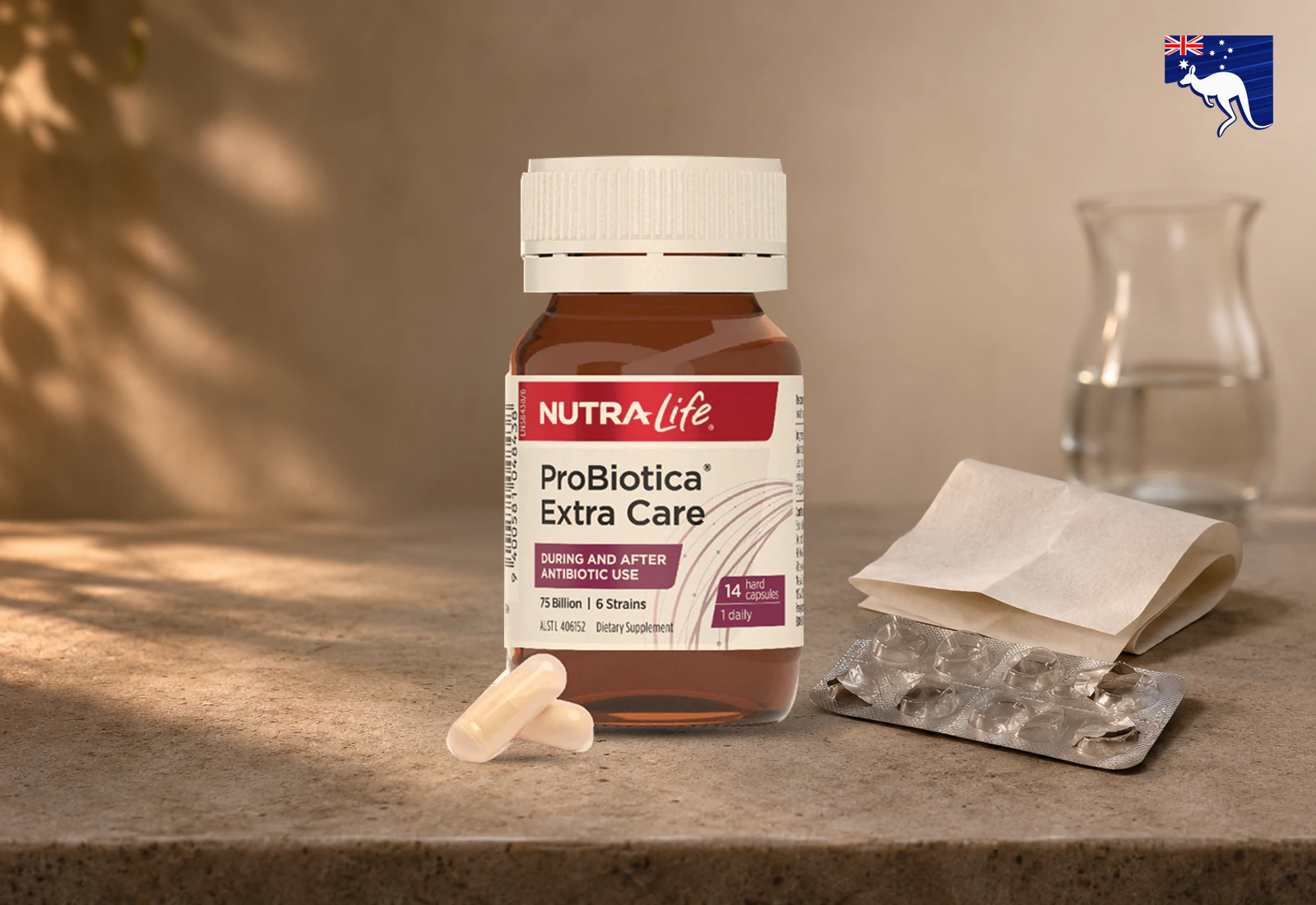
Antibiotic packaging in Bangladesh carries red markings, the word “antibiotic” and a prescription warning. If a cut strip hides the medicine name or strength, ask to see the original box and have the directions written down. Colour alone cannot identify a particular medicine. Keeping both products in their original packs also helps anyone at home who is reminding you about doses. WHO explains Bangladesh’s pack markings.
Why would a pharmacist suggest both?
An antibiotic can affect bacteria that normally live in your bowel. Some people develop loose stools. Certain probiotic preparations lowered the chance of this happening in clinical trials. That research measured diarrhoea. It did not establish that everyone needs to replace their gut bacteria after treatment. ISAPP’s clinical brief.
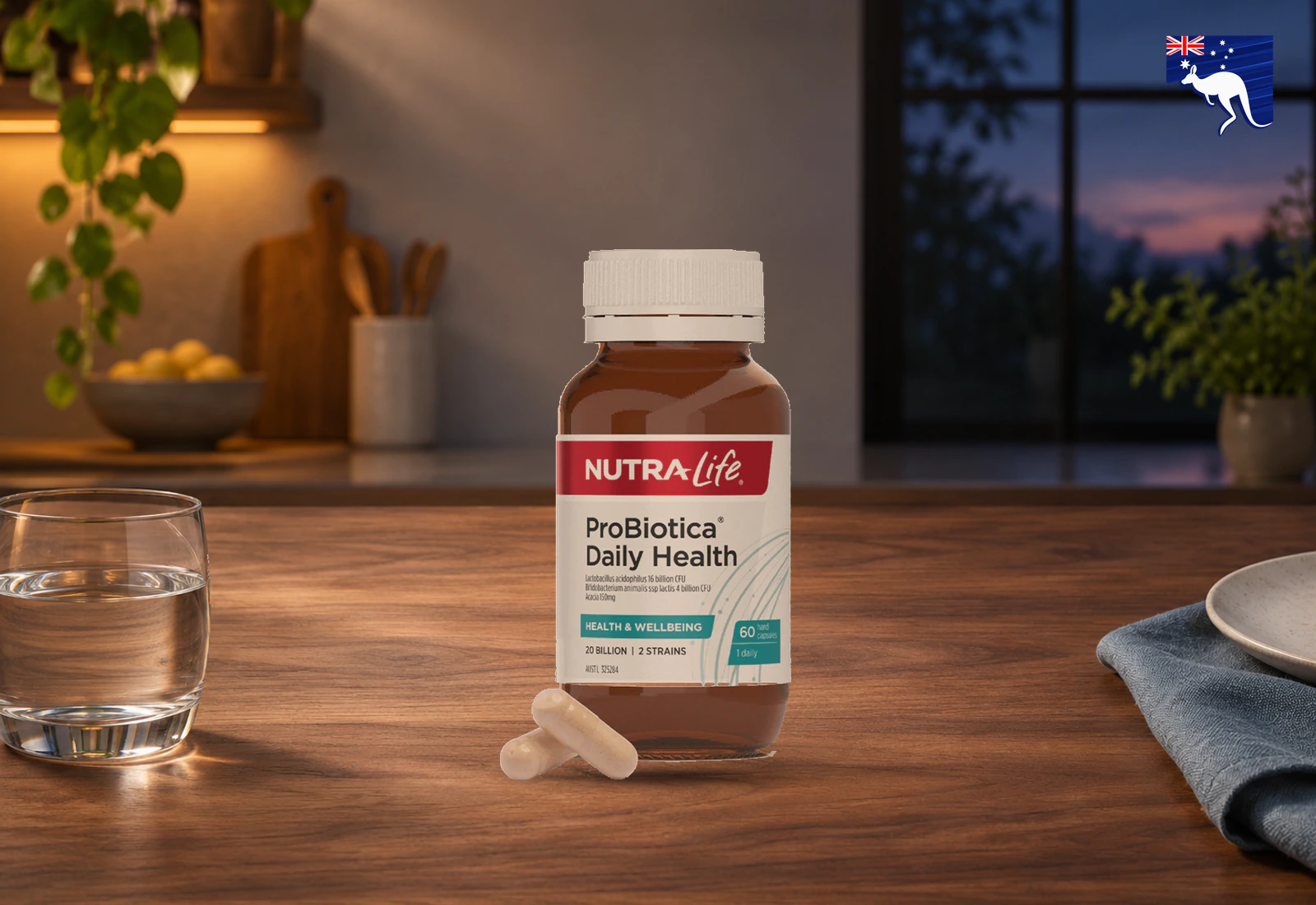
Ask which strain was studied for your situation. Letters or numbers at the end of its name can identify the strain. “Daily” on the front of a bottle does not answer that question, and a higher count of live organisms is no guarantee of a better result. If your clinician recommends a product, see when to take probiotics during or after antibiotics.
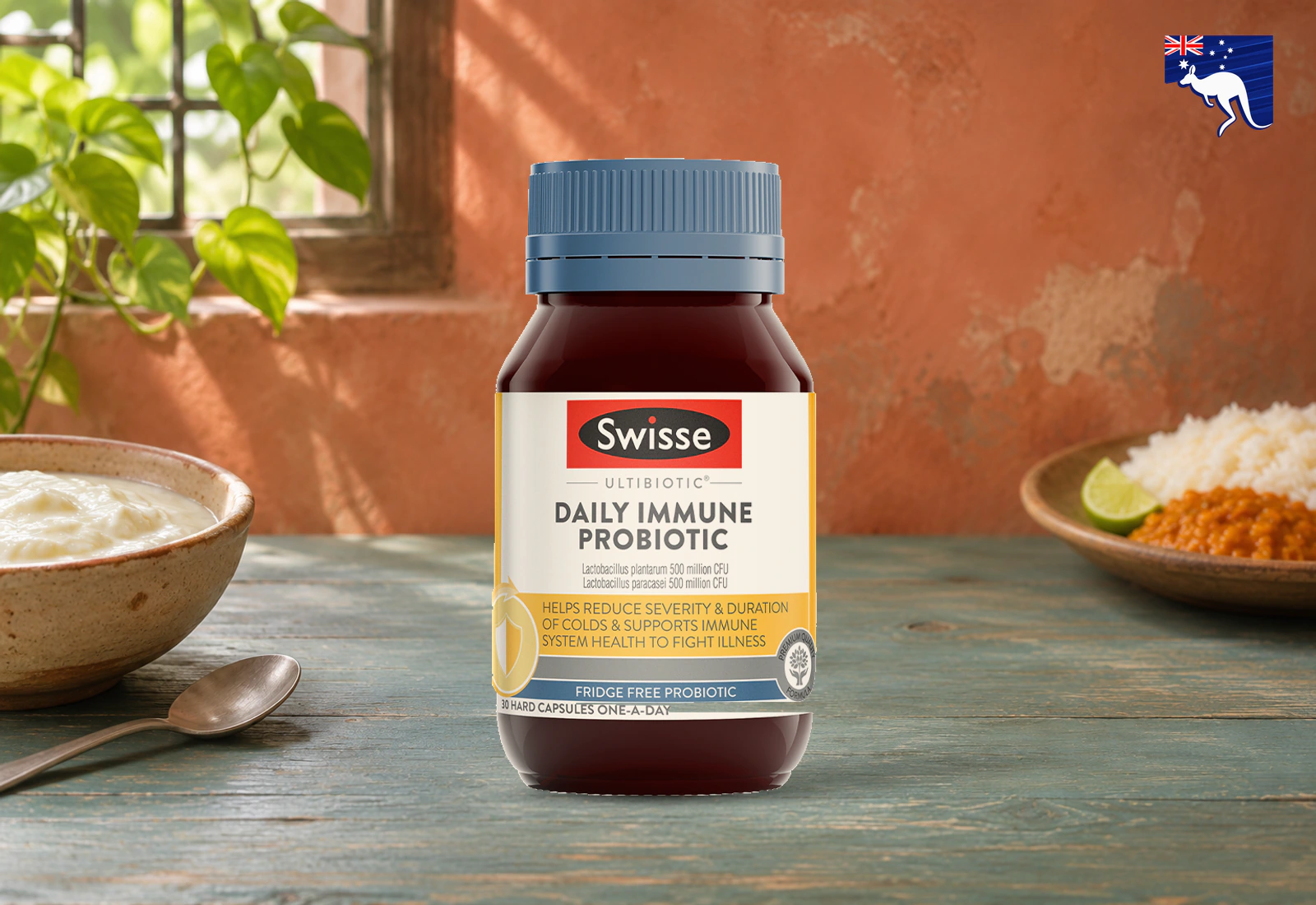
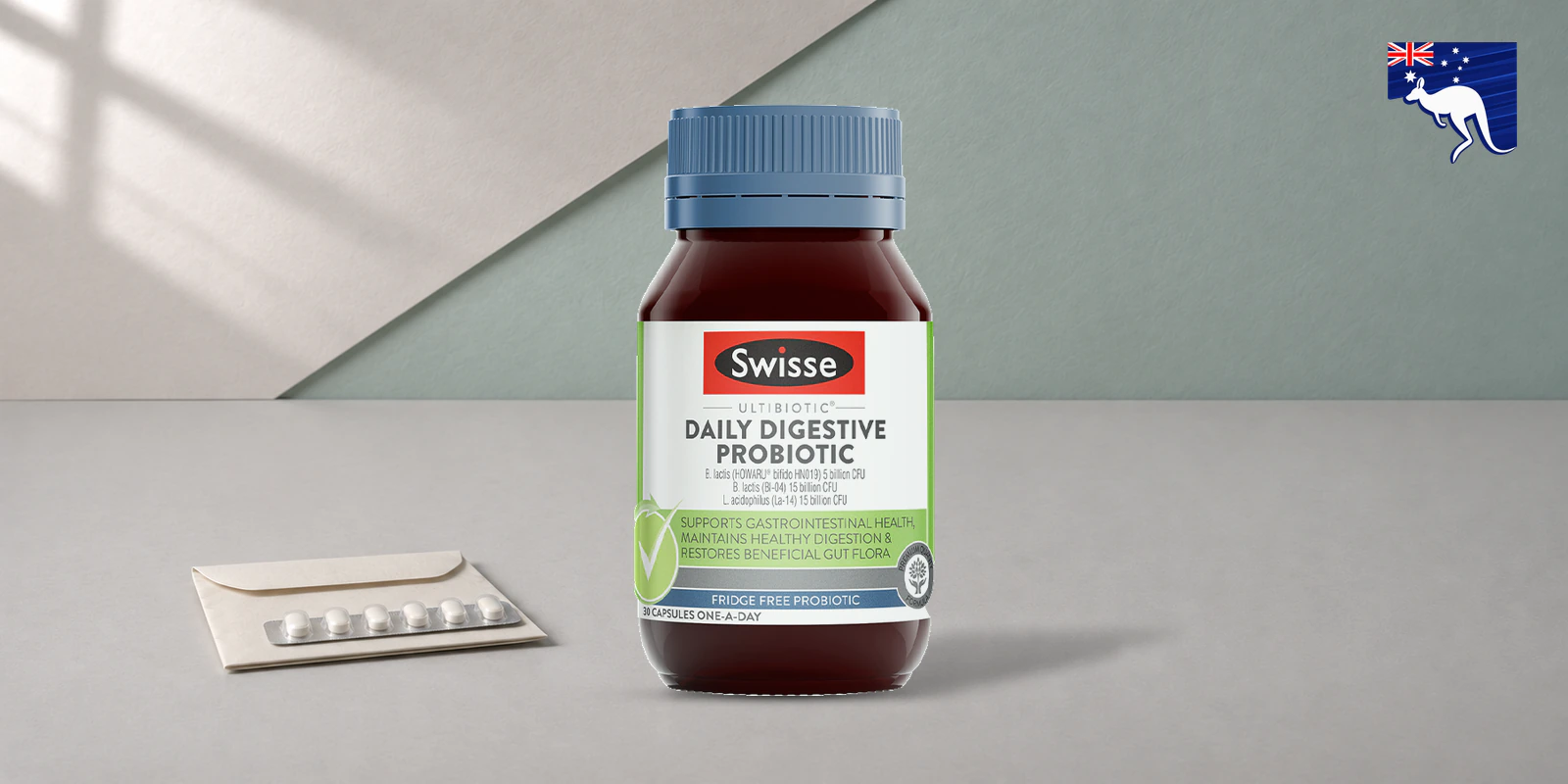
If a pharmacist suggests a probiotic, use the ingredient panel to check which strains it contains. This capsule is an example of a label you can compare; it does not treat an infection.

Swisse Ultibiotic Daily Digestive Probiotic
Swisse Ultibiotic Daily Digestive Probiotic is a high-strength probiotic supplement designed to support healthy digestion, maintain beneficial gut bacteria and support gastrointest...
If diarrhoea has already started
Tell the prescriber which antibiotic you took, when the stools became loose and whether you have fever or pain. An infection called Clostridioides difficile can occur even after the course ends and may require a stool test and specific treatment. Seek urgent care for bloody stools, severe pain, faintness or very little urine. Bring the medicine strip or a photo. CDC guidance on diarrhoea after antibiotics.