10 Immunity Boosting Foods for Kids
Kids need balanced nutrition to support normal growth, energy, and immune health. This guide shares 10 immunity boosting foods for kids, including yogurt, citrus fruits, eggs, fish, leafy greens, lentils, nuts, and colorful vegetables. Learn Bangladesh-friendly meal ideas, gut health tips, common parent mistakes, and safe supplement guidance for everyday wellness.
Kids need strong everyday nutrition to support normal growth, energy, and immune health. In Bangladesh, children often face seasonal weather changes, school germs, pollution, processed snacks, low vegetable intake, and irregular sleep routines. This guide explains 10 immunity-boosting foods for kids, practical Bangladeshi meal ideas, common parent mistakes, and safe ways to support your child’s wellness through food-first nutrition.
What Supports a Child’s Immune System?
A child’s immune system is the body’s natural defense system. It helps the body respond to germs, seasonal changes, and everyday exposure from school, playgrounds, travel, and family environments.
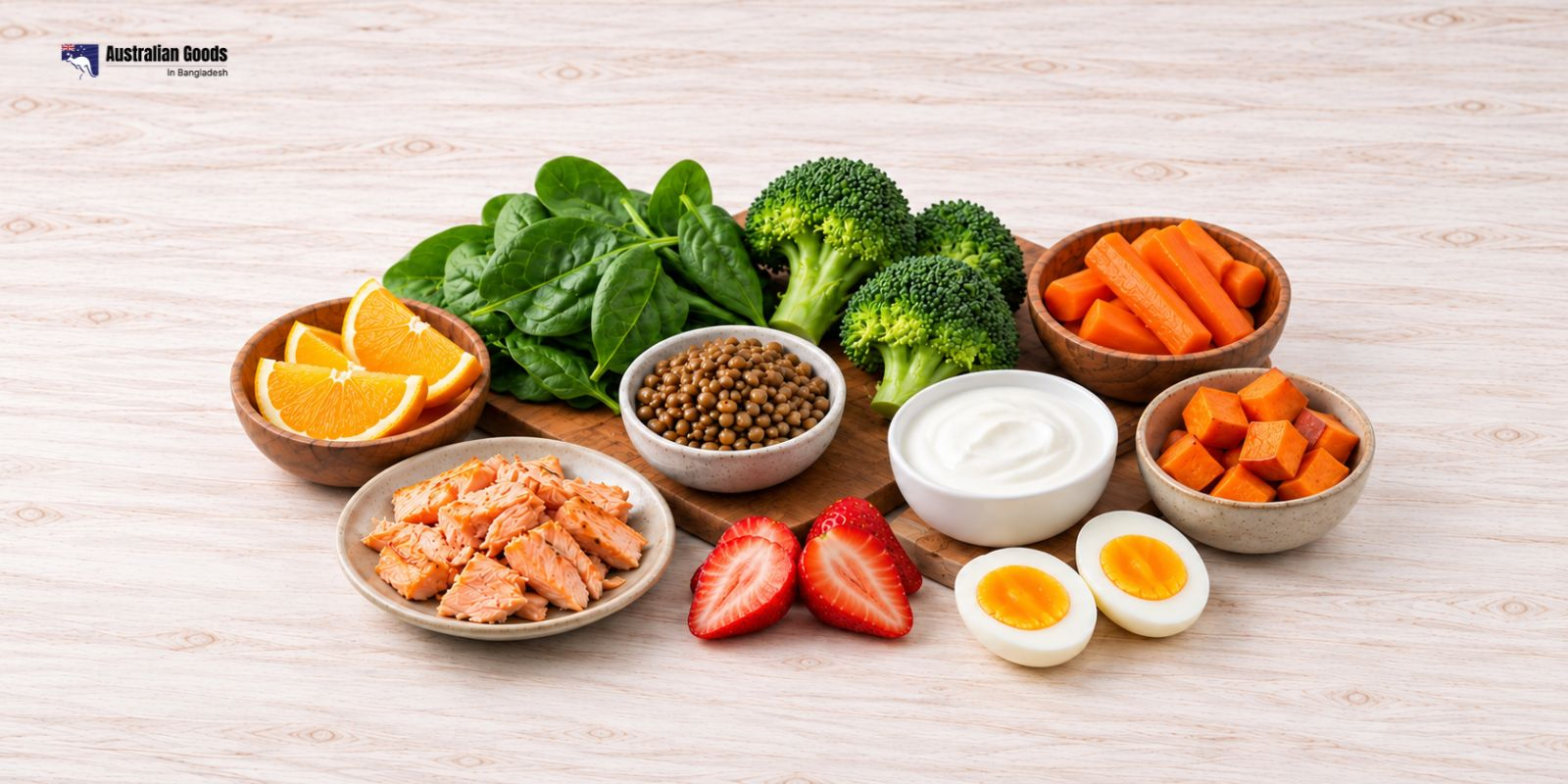
No single food can “boost immunity” overnight. Children need a regular pattern of balanced meals, enough protein, fruits, vegetables, sleep, water, hygiene, and physical activity. Food is the foundation because growing bodies need vitamins, minerals, protein, healthy fats, and fiber every day.
Why Bangladeshi kids need better nutrition support
- Frequent processed snacks and sugary drinks replacing real meals.
- Low fruit and vegetable intake due to picky eating.
- Seasonal cough, cold, weather changes, and school exposure.
- Poor sleep routine from screens, homework, or late nights.
- Less outdoor play and physical activity.
- Pollution, dust, and crowded school environments.
Simple Takeaway:
Strong immunity in kids starts with everyday food habits — not one magic food, syrup, or supplement. Consistency matters more than perfection.
10 Immunity Boosting Foods for Kids
These foods are not medicines and cannot guarantee illness prevention. They support normal immune function by providing nutrients children need for growth, energy, gut health, and overall wellness.
1) Yogurt or Doi
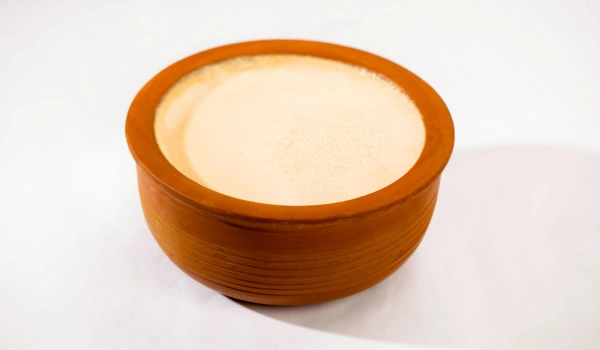
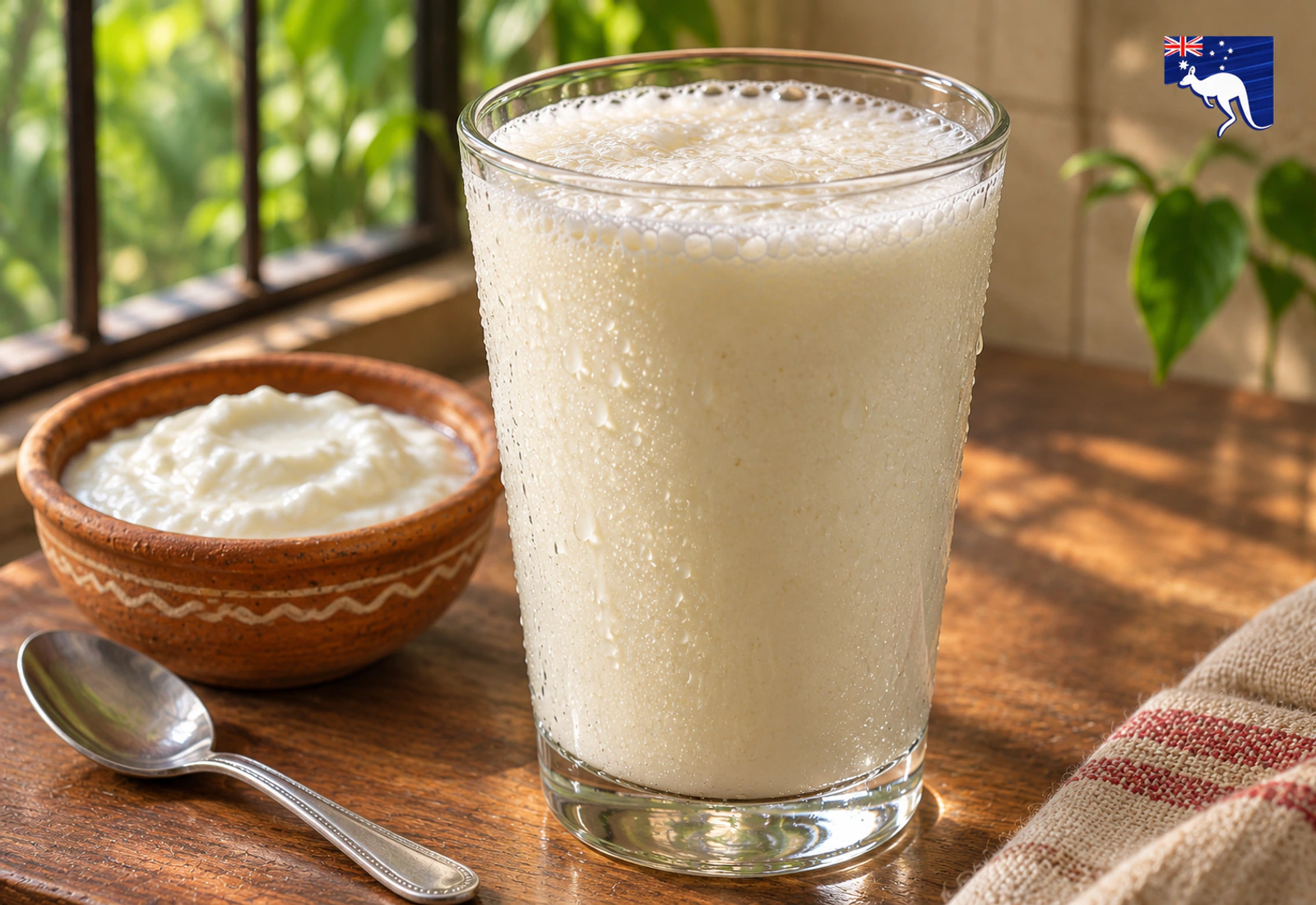
Yogurt may support gut health because it can contain beneficial bacteria. Gut health is closely connected with immune function, so plain yogurt or homemade doi can be a smart addition to a child’s regular diet.
Easy ways to include:
- Plain doi with banana or seasonal fruit.
- Yogurt smoothie with mango, banana, or berries.
- Doi as a side with rice and homemade meals.
2) Citrus Fruits
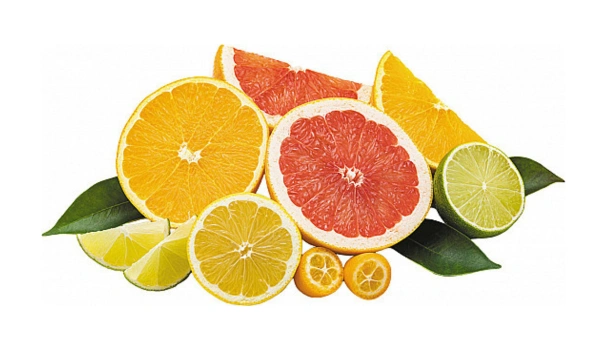
Orange, malta, lemon, and similar fruits provide Vitamin C, which supports normal immune function and helps the body absorb iron from plant foods. For kids who do not like vegetables, fruits can be an easy starting point.
Easy ways to include:
- Orange or malta slices in the school snack box.
- Lemon added to dal, salad, or water.
- Fruit bowl instead of packaged juice.
3) Eggs

Eggs provide protein and important nutrients that support growth, energy, and overall wellness. They are affordable, easy to prepare, and suitable for many Bangladeshi family routines.
Easy ways to include:
- Boiled egg with breakfast.
- Vegetable omelet with onion, tomato, or spinach.
- Egg curry with rice and vegetables.
4) Fish
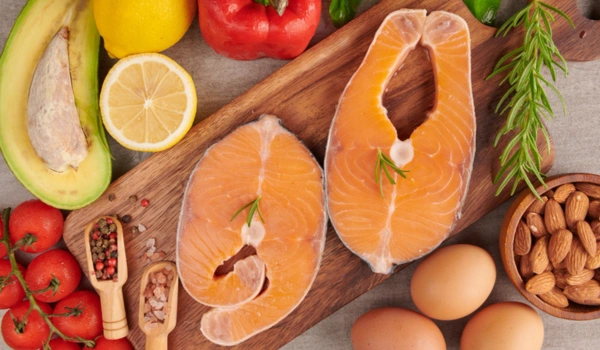
Fish provides protein and healthy fats that support growth and everyday nutrition. Fatty fish can provide omega-3 fatty acids, while local fish varieties still support protein intake for children.
Easy ways to include:
- Fish curry with rice, dal, and vegetables.
- Soft fish pieces mixed into khichuri.
- Grilled or lightly cooked fish with lemon.
5) Leafy Green Vegetables
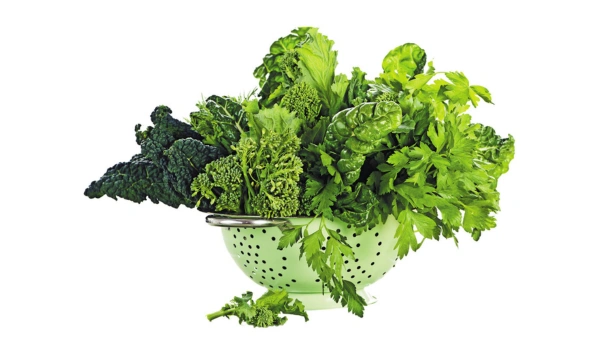
Spinach, lal shak, pui shak, and other leafy greens provide vitamins, minerals, and plant compounds that support overall health. They can be difficult for picky eaters, so small portions and smart mixing work better.
Easy ways to include:
- Mix chopped greens into dal.
- Add spinach to egg omelet.
- Blend vegetables into soup or khichuri.
6) Colorful Fruits
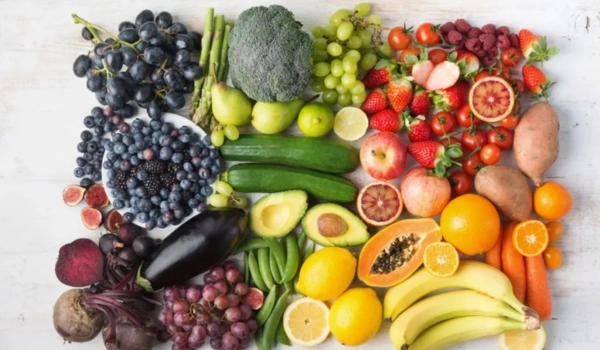
Guava, papaya, banana, berries, mango, and other colorful fruits provide fiber, vitamins, antioxidants, and natural sweetness. Fruit variety is better than giving the same fruit every day.
Easy ways to include:
- Guava slices with a small lunchbox meal.
- Papaya or banana after breakfast.
- Small mixed fruit bowl as an evening snack.
7) Lentils and Beans
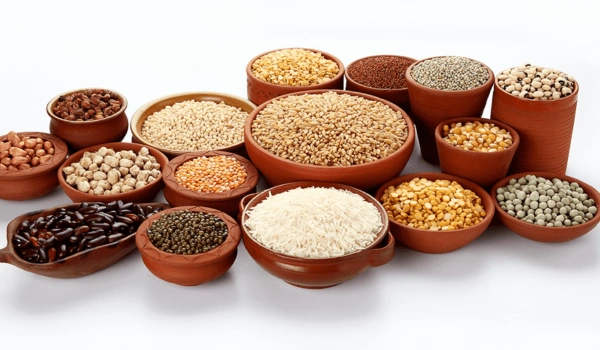
Dal, chickpeas, beans, and lentils provide plant protein, fiber, and minerals. These foods are affordable, familiar, and practical for Bangladeshi meals.
Easy ways to include:
- Dal with rice and vegetables.
- Khichuri with lentils, egg, and vegetables.
- Chickpea salad with lemon and cucumber.
8) Nuts and Seeds
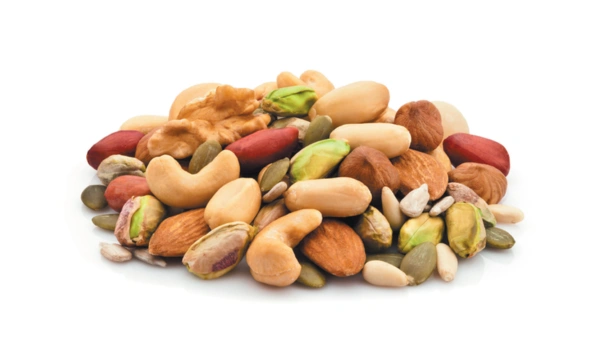
Almonds, walnuts, chia seeds, pumpkin seeds, and sesame seeds provide healthy fats, minerals, and energy. They can support a balanced diet when used in age-appropriate portions.
Easy ways to include:
- Add ground nuts or seeds to oats or porridge.
- Mix chia seeds into yogurt.
- Use nut butter on toast for older children when suitable.
9) Sweet Potato and Colorful Vegetables
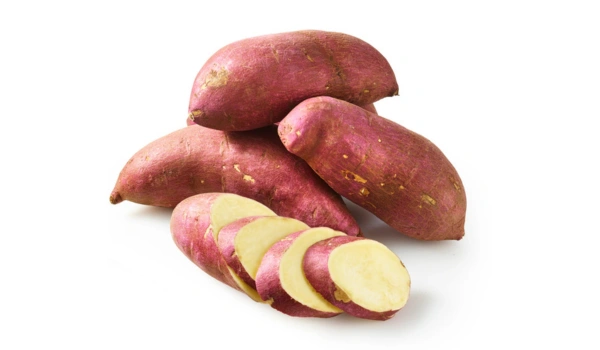
Sweet potato, carrot, pumpkin, and other colorful vegetables provide beta-carotene, fiber, and nutrient variety. These foods are easy to prepare and usually more acceptable for kids because of their natural sweetness.
Easy ways to include:
- Sweet potato mash.
- Carrot and pumpkin soup.
- Mixed vegetable khichuri.
10) Garlic and Ginger
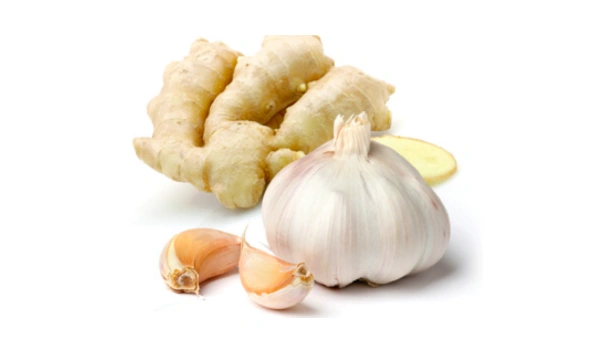
Garlic and ginger are common Bangladeshi cooking ingredients. They add flavor and may support a healthy eating pattern, but they should not be treated as medicine or a cure for illness.
Easy ways to include:
- Add small amounts to soup, dal, and khichuri.
- Use ginger in homemade chicken or vegetable soup.
- Cook garlic with vegetables for better flavor.
Why Gut Health Matters for Kids’ Immunity
A healthy gut supports digestion and helps the body use nutrients from food. For children, gut-friendly foods like yogurt, vegetables, fruits, lentils, oats, and enough water can support everyday wellness.
If your child eats very little fiber and mostly prefers processed snacks, gut balance may not be ideal. This is why parents should focus on both probiotic foods and fiber-rich foods.
Gut-support foods for kids
- Plain yogurt or doi.
- Banana and oats.
- Vegetables and fruits.
- Lentils, beans, and whole grains.
- Enough water throughout the day.
Easy Daily Immunity Routine for Bangladeshi Kids
A simple daily structure helps parents stay consistent. You do not need a perfect diet every day — just try to keep meals balanced most of the time.
| Time | Food Idea | Why It Helps |
|---|---|---|
| Breakfast | Egg + fruit + milk | Protein, vitamins, and energy |
| School Snack | Banana, guava, yogurt, or homemade snack | Fiber and micronutrients |
| Lunch | Rice + fish/chicken + dal + vegetables | Balanced meal support |
| Evening | Fruit, nuts powder, or homemade snack | Better than processed snacks |
| Dinner | Khichuri with vegetables or homemade meal | Comfortable, nutrient-rich option |
Non-food habits that also support immunity
- Age-appropriate sleep routine.
- Enough water intake.
- Daily movement or outdoor play.
- Handwashing before meals.
- Limiting sugary drinks and packaged snacks.
Common Mistakes Parents Should Avoid
- Too many packaged snacks: Chips, biscuits, cakes, and sugary drinks can replace real nutrition.
- Only focusing on one food: Immunity needs variety, not one “superfood.”
- Ignoring sleep: Poor sleep can affect energy, mood, appetite, and wellness.
- Forcing food too aggressively: Pressure can make picky eating worse.
- Over-relying on supplements: Supplements should support diet, not replace meals.
- Giving adult supplements to kids: Children need age-appropriate products and serving sizes.
Do Kids Need Immunity Supplements?
Food should always be the foundation. Some children may need supplements if they have limited diets, poor appetite, picky eating, low Vitamin D exposure, or specific nutritional gaps. However, parents should not start multiple supplements without checking the child’s age, product label, serving direction, and professional advice.
Supplements are best used as nutrition support, not a replacement for homemade meals, fruits, vegetables, sleep, hygiene, or medical care.
Important:
Children’s supplements should be age-appropriate and should not replace proper meals. If your child is frequently sick, losing weight, refusing food, or has long-term health concerns, consult a pediatrician.
Recommended Kids Wellness Supplements in Bangladesh
Food should always come first, but some children may benefit from additional nutrition support because of picky eating, irregular meals, school routines, low food variety, or seasonal changes. Supplements work best when combined with balanced meals, proper sleep, hydration, hygiene, and active daily routines.
1) Swisse Kids Immune Gummies – Kid-Friendly Immune Support
What it does: Swisse Kids Immune Gummies are designed to support children’s immune health in an easy, kid-friendly gummy format.
- Best for: School-going children, seasonal wellness routines, and kids who prefer gummies.
- How to Take: Follow the label directions and use only the age-appropriate serving.
- Common Mistake: Treating gummies like candy instead of a supplement. Keep out of children’s reach.
Kids need consistency. A simple gummy routine can support daily wellness alongside real food, sleep, and hydration.

2) Swisse Kids Immune Health – Daily Immune Health Support
What it does: Swisse Kids Immune Health is made to support children’s immune health and everyday wellness as part of a balanced routine.
- Best for: Children needing daily immune-support nutrition alongside healthy meals.
- How to Take: Follow the product label directions and recommended age serving.
- Common Mistake: Relying only on supplements while ignoring vegetables, fruits, sleep, and hygiene.
Immune support is a routine. Balanced meals, sleep, playtime, and age-appropriate supplements work best together.

3) Little Swisse Vitamin C + Zinc Gummies – Vitamin C & Zinc Support
What it does: Little Swisse Vitamin C + Zinc Gummies provide convenient Vitamin C and Zinc nutrition support for children’s everyday immune health routine.
- Best for: Kids with low fruit variety, picky eating habits, or parents wanting Vitamin C + Zinc support.
- How to Take: Follow the label directions and do not exceed the recommended serving.
- Common Mistake: Replacing real fruits with gummies instead of using them as extra support.
Vitamin C and Zinc support works best with real food. Keep fruits, vegetables, water, and sleep in the routine.

4) Nutra Life Probiotica Kids Daily – Gut Health & Digestive Support
What it does: Nutra Life Probiotica Kids Daily is designed to support children’s gut health and digestive balance as part of an everyday wellness routine.
- Best for: Kids with low yogurt intake, low fiber variety, or parents wanting gut-health support.
- How to Take: Follow the product label directions and age-appropriate serving guidance.
- Common Mistake: Expecting probiotics to work well without fiber-rich foods, water, and regular meals.
Gut health supports overall wellness. Probiotics work best with yogurt, fruits, vegetables, fiber, and water.

Why Trust This Guide?
This guide follows a food-first, child-safe approach. It avoids exaggerated claims and focuses on balanced nutrition, practical Bangladeshi meals, and trusted child health principles.
- Uses cautious YMYL-safe nutrition language.
- Includes Bangladesh-friendly food examples.
- Encourages parents to seek medical advice when needed.
- Does not claim that foods or supplements can prevent or cure disease.
- Focuses on realistic daily habits parents can follow.
Looking for Kids Wellness Products in Bangladesh?
Explore trusted kids nutrition and wellness products from authentic Australian brands, stored with care and delivered across Bangladesh.
Frequently Asked Questions (FAQs)
1. What foods help boost immunity in kids?
Yogurt, citrus fruits, eggs, fish, leafy greens, colorful fruits, lentils, nuts, seeds, sweet potato, garlic, and ginger can support healthy immunity as part of a balanced diet.
2. Which fruit is best for kids’ immunity?
Guava, orange, malta, papaya, banana, mango, and berries are good options because they provide vitamins, fiber, antioxidants, and natural energy.
3. Can yogurt help children’s immunity?
Yogurt may support gut health, and gut health is connected with immune function. Choose plain yogurt or homemade doi when possible instead of sugary flavored options.
4. How can I improve my child’s immunity naturally?
Provide balanced meals, fruits, vegetables, protein, enough sleep, water, outdoor play, and good hygiene habits. Avoid relying only on supplements.
5. Are supplements necessary for kids’ immunity?
Not always. Supplements may help when diet is limited or a child has specific nutritional gaps, but parents should follow age-appropriate label directions and seek professional advice when unsure.
6. What foods should kids avoid for better health?
Limit sugary drinks, packaged snacks, excessive fried foods, and ultra-processed foods that replace nutritious meals.
7. What helps picky eaters eat healthier foods?
Start with small portions, mix vegetables into familiar meals, offer colorful fruits, avoid pressure, and repeat exposure gently over time.
References & Scientific Sources
This article is written for educational and general informational purposes using cautious child-nutrition language, established nutrition guidance, and Bangladesh-focused meal examples.
Medical Disclaimer
This article is for educational and general informational purposes only. It does not diagnose, treat, cure, or prevent disease and should not replace medical advice. Foods and supplements cannot guarantee prevention of illness. If your child has frequent infections, poor growth, food allergies, chronic illness, persistent fever, severe symptoms, or nutrition concerns, consult a qualified pediatrician or healthcare professional. Supplements should be age-appropriate and used only as directed.