Water-Based vs Silicone-Based Lubricant: Which Is Better for You?
Compare water-based and silicone-based lubricants by feel, reapplication, cleanup and material compatibility. This guide helps Bangladesh shoppers choose between formula types while keeping condom instructions, device care and personal sensitivity separate from marketing claims.
Quick Answer
Neither base is best for everyone. Water-based lubricant is usually easier to wash away and may need reapplication; silicone-based lubricant tends to last longer. Both can be suitable with latex condoms when their labels confirm compatibility. For a silicone device, follow its maker's instructions rather than assuming a silicone-based lubricant is suitable. Individual ingredients and comfort still matter.
Key Takeaways
- The lubricant base influences feel and durability, but does not establish universal skin tolerance.
- Condom compatibility and device-material compatibility are separate checks.
- A hybrid formula should be assessed from its full ingredients and instructions, not only the front-label name.
- Comparing an actual pack is more useful than treating water-based or silicone-based as an automatic quality grade.
Start with the way you will use it
The choice is usually a tradeoff between how long a formula stays slippery, how it cleans up and what materials it will contact. Water-based products can be a convenient first option; silicone products can reduce the need for reapplication. Neither description tells you everything about the ingredients or how your skin will respond. [1]
Write down your priorities before looking at brands: easy cleanup, fewer interruptions, condom use, device compatibility or avoiding a known irritating ingredient. That short list is a better purchasing filter than a general best-lube claim.
Practical differences between the two bases
| Check | Water-based | Silicone-based |
|---|---|---|
| During use | May dry and need reapplication | Usually maintains slip for longer |
| Cleanup | Typically washes away more readily | Can take more washing to remove |
| Latex condoms | Look for explicit compatibility | Look for explicit compatibility |
| Silicone devices | Often a practical choice, subject to both labels | Check the device maker's restrictions |
The table compares general characteristics, not every formula. It is not a ranking of clinical safety or a promise that a product will not irritate. [1] [2]
Check condoms and devices independently
A bottle described as condom-compatible has not necessarily been tested with every device material. Likewise, a lubricant acceptable for a device may be incompatible with the condom you are using. Read both sets of instructions and identify the exact material rather than relying on the word synthetic.
Oils are a particular concern with latex condoms. Water- or silicone-based products labelled as compatible are the appropriate categories to consider instead. A hybrid product may contain more than one base, so check the complete formulation and the manufacturer's compatibility statement. [3]
Compare actual formulas, not just the base name
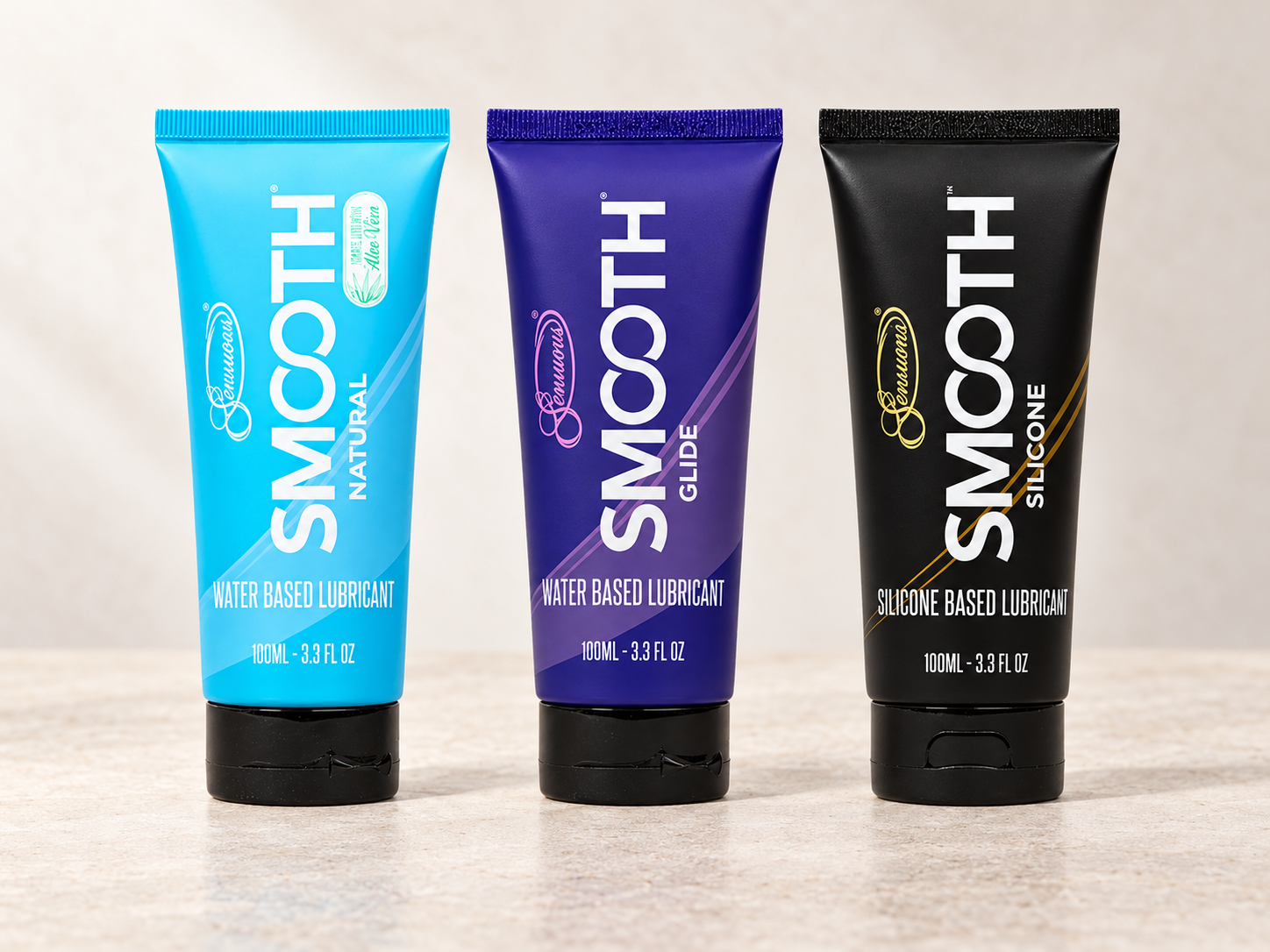
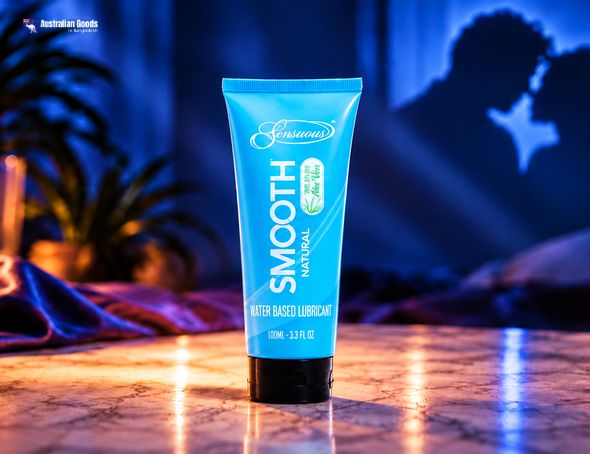
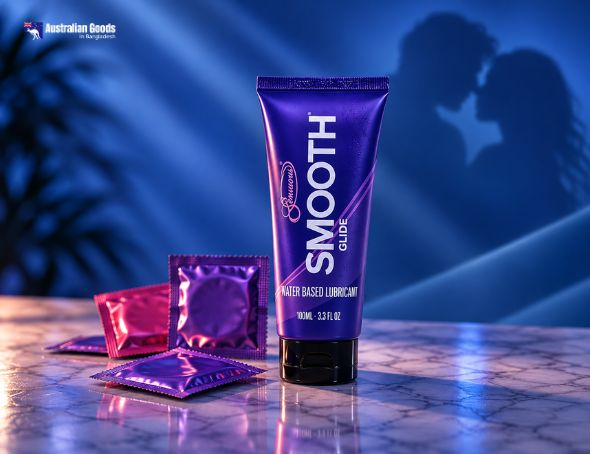
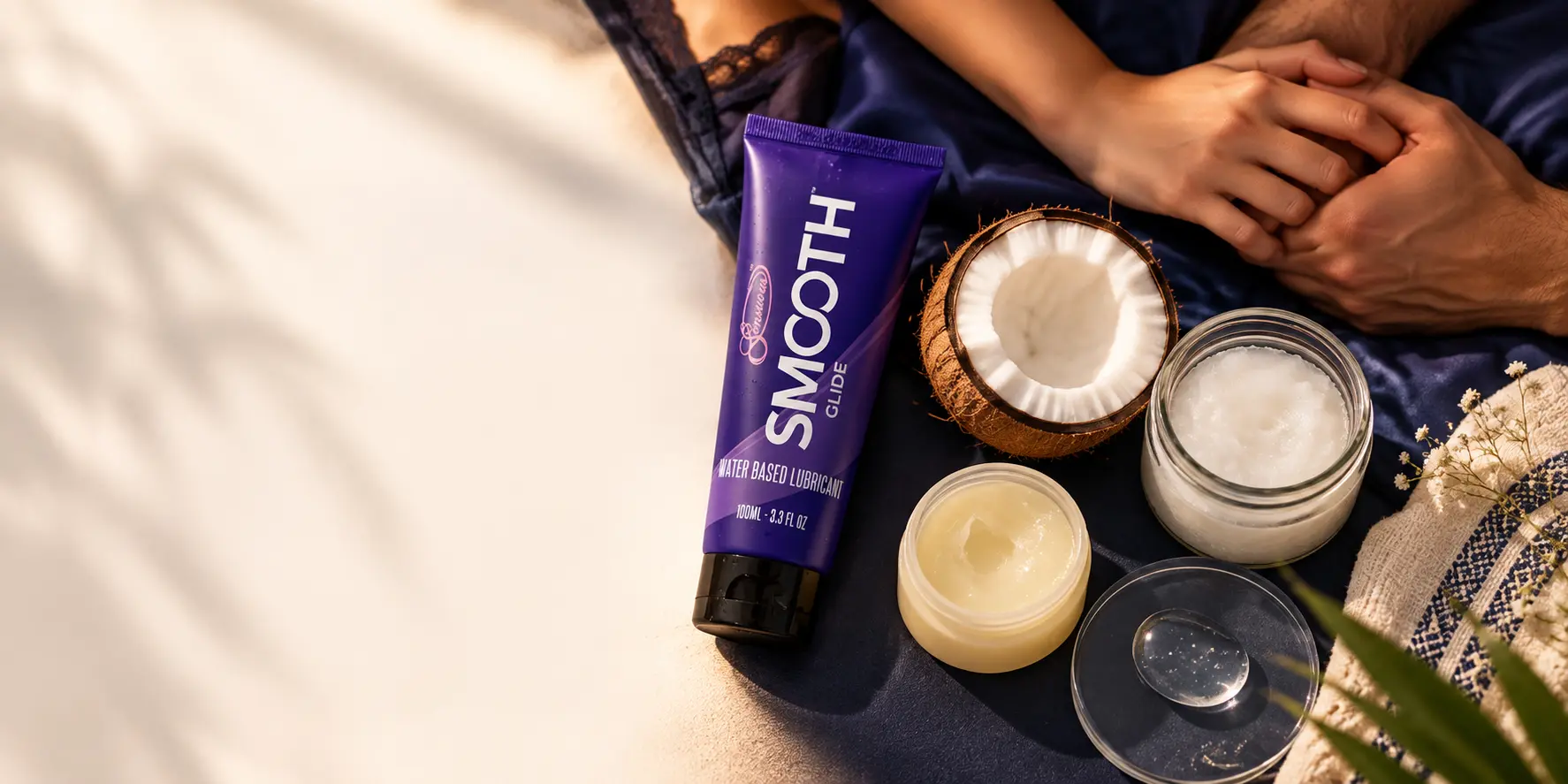
Sensuous describes Smooth Glide as water-based and Smooth Silicone as silicone-based. Their different bases make them useful catalogue examples for this comparison. Check each supplied pack before use; descriptions such as natural, premium or long-lasting are not substitutes for directions. [4] [5]
The water-based Smooth Glide listing can be compared with the silicone option below. This is a formula comparison, not evidence that one delivers a better sexual-health outcome.
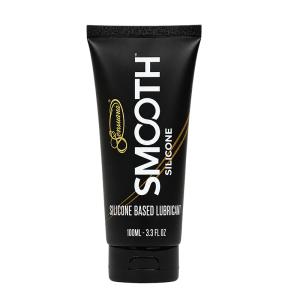
Smooth Silicone™ Personal Lubricant – Long-Lasting Silicone Formula 100ml
Smooth Silicone™ is a personal lubricant for adults who prefer a light feel and lasting glide during intimacy. This silicone formula combines Phenyl Trimethicone, Cyclopentasiloxan...
When the full ingredient list matters more
If you know that a particular fragrance, warming ingredient or other component has caused discomfort before, check for it regardless of the base. Do not continue using a product merely because it is marketed for sensitive skin. Start with one formula, stop if it causes irritation and retain the pack to help identify the cause.
For ongoing vaginal dryness, the choice may involve a vaginal moisturiser or a clinical review rather than simply switching lubricant bases. The separate dryness guide addresses that decision. [6]
A useful next comparison
After choosing the type of formula you need, compare the exact variants and their current labels. The Smooth guide below narrows that task to one brand without treating the brand name as a guarantee.