What Is Lube? How Personal Lubricant Works and How to Use It
New to personal lubricant? This guide explains what lube does, the main formula types and a simple first-use routine. It also separates temporary friction relief from persistent dryness and highlights practical label checks when buying in Bangladesh.
Quick Answer
Lube is a product designed to reduce friction during intimate contact. Choose a formula labelled for the intended use, check compatibility with condoms and any devices, and follow its directions. Start with a small amount and reapply when needed. Lubricant does not prevent pregnancy or infections, and persistent pain or dryness needs assessment rather than simply more product.
Key Takeaways
- Personal lubricant reduces friction; it does not by itself establish sexual arousal or treat the cause of ongoing dryness.
- Water-based and silicone-based formulas differ in feel and reapplication needs; the product label still controls compatibility.
- Oil-based household products can damage latex condoms.
- Start with one suitable formula so that discomfort or irritation is easier to trace.
What personal lubricant is for
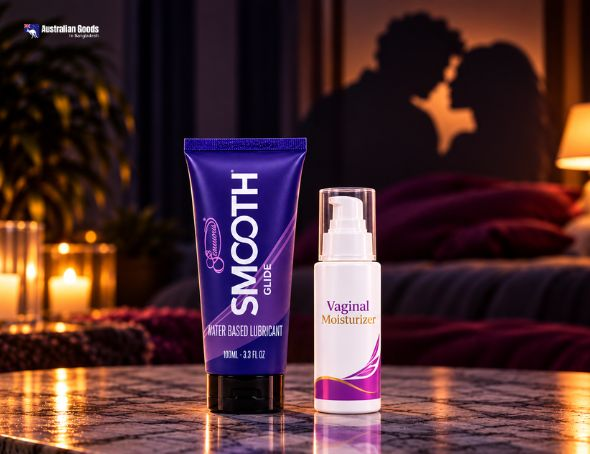
Personal lubricant adds slip to reduce rubbing during intimate contact. It can be useful even when there is natural moisture; needing it is not a test of attraction or a reason for embarrassment. A product used for friction relief is different from a vaginal moisturiser intended for more regular dryness care. [1]
Choose by the job you need it to do. A delay gel targets a different concern, and a warming pleasure gel is not automatically a lubricant. The word gel describes texture, not purpose. Start with the stated use on the bottle rather than its colour, scent or marketing name.
The main types at a glance
- Water-based: a practical starting point for someone who wants a formula that washes away readily. Some products need reapplication as they dry.
- Silicone-based: generally provides a longer-lasting slippery layer. Check the device manufacturer's instructions before using it on a silicone device.
- Oil-based: requires particular attention to condom compatibility. Do not use oils or petroleum jelly with latex condoms.
These are broad formula categories, not safety rankings. Ingredients, individual tolerability and the materials used with the lubricant still matter. [2] [3]
A simple first-use routine
Read the directions before opening the pack. Check the seal, expiry and whether the formula is intended for the area where it will be used. Wash your hands, dispense a small amount as directed and keep the opening clean. Add more if friction returns rather than continuing through discomfort.
With a condom, apply only a compatible lubricant according to the condom and lubricant instructions. Do not mix several gels during a first trial: it becomes harder to identify the cause if irritation develops. Stop if there is burning, rash or pain, and avoid using products on broken or inflamed skin.
A patch check advised by a manufacturer does not guarantee that a product will be tolerated on more sensitive tissue. Follow the actual pack instructions; do not treat an ordinary body lotion as a substitute for a product intended for intimate use. [4]
An example from the local catalogue
The manufacturer identifies Smooth Glide as a water-based personal lubricant. That makes it an example of a formula category, not a claim that it is the best choice for every person. Check the current product page and supplied label for the complete directions and compatibility statement. [5]
Smooth Glide™ Personal Lubricant – Water-Based Formula 100ml
Smooth Glide™ is a water-based personal lubricant for adults who want a smooth, comfortable glide during intimacy. Its lightweight formula combines water, propylene glycol and glyc...
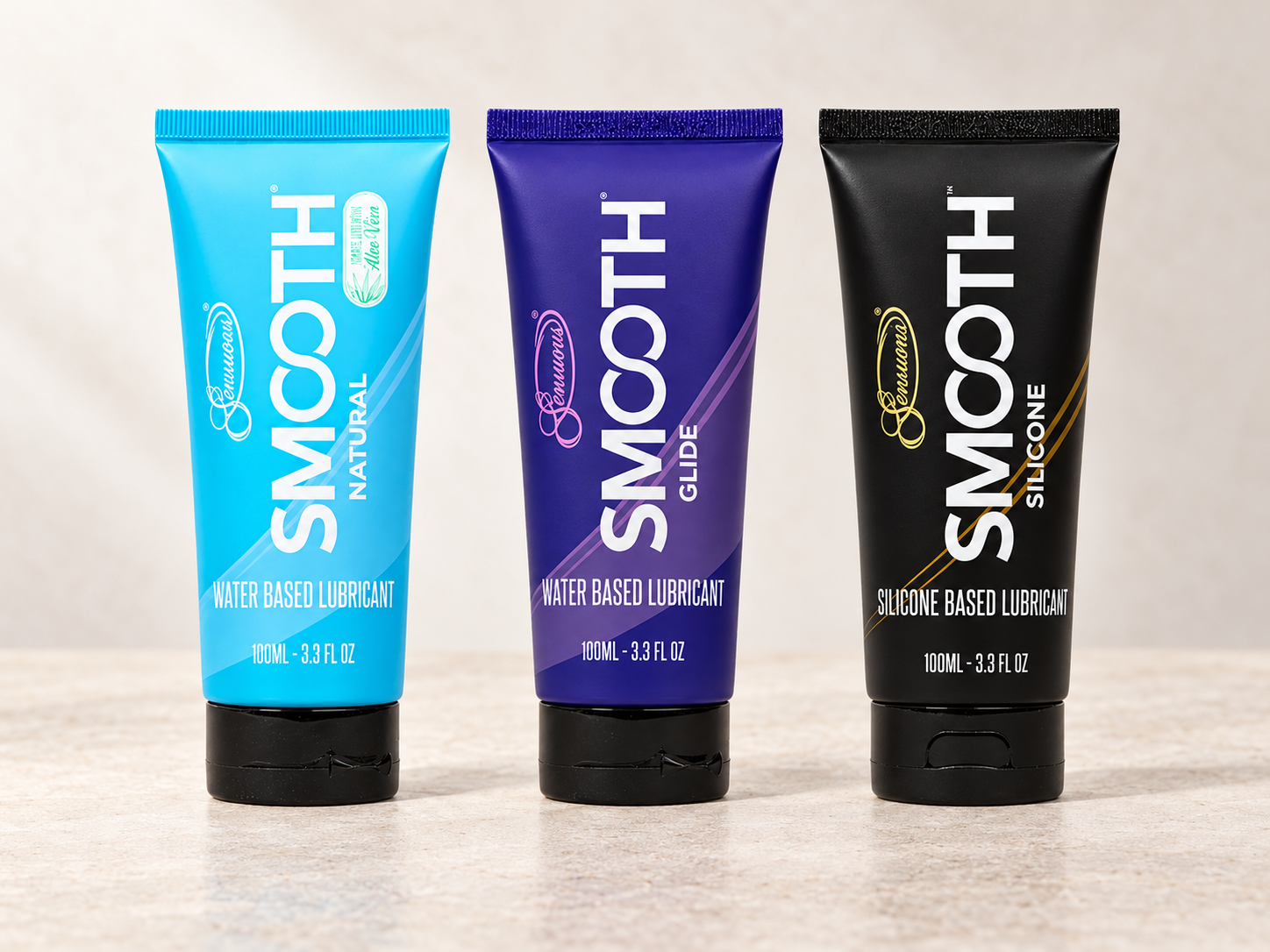
How to compare the Smooth range
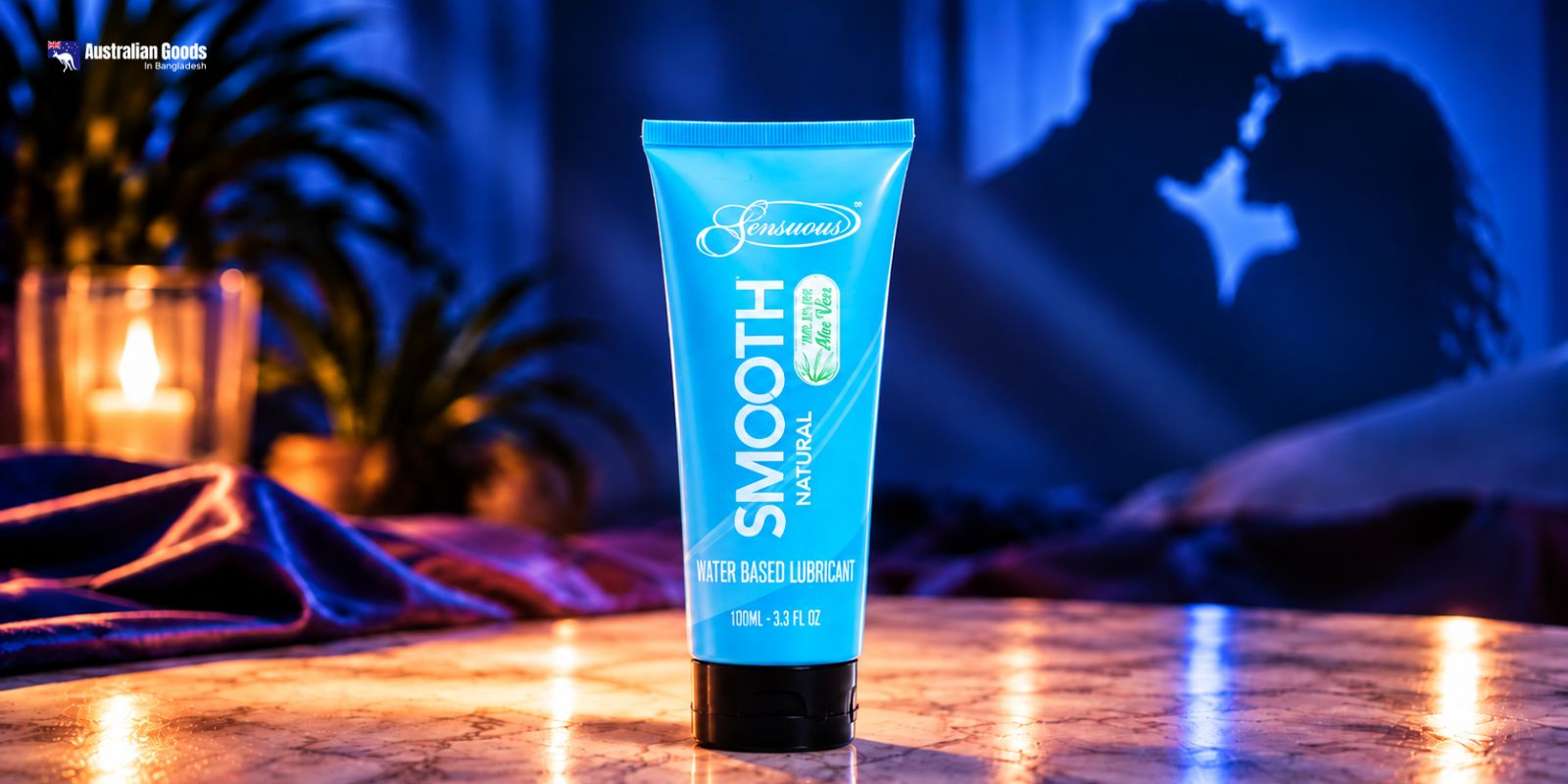
Similar product names can conceal different bases. Use the brand comparison below to distinguish Glide, Natural and Silicone before choosing a pack. A natural-sounding name is not a substitute for reading the ingredients.
What lubricant cannot solve
Lube is not contraception and does not replace condoms for protection against sexually transmitted infections. If dryness or pain persists, the useful next step may be a clinical assessment rather than a stronger-sounding product. Unusual discharge or bleeding also warrants medical advice. [6] [4]
For a first purchase in Bangladesh, compare the exact formula, pack size, supplier details and delivery handling. Do not buy the largest bundle before you know whether the basic product suits you. Keep the packaging so that a pharmacist, clinician or supplier can identify the formula if questions arise.