Vitamin K2 Benefits: What Does It Do and Who May Need It?
Vitamin K2 helps the body use vitamin K-dependent proteins, including proteins involved in bone metabolism. Its biological role is well established, but supplement benefits depend on the question being studied. This guide explains the evidence, everyday food options and when a supplement discussion is worthwhile.
Quick Answer
Vitamin K2 supports vitamin K-dependent functions, including normal blood clotting and bone metabolism. Supplements may improve some measures of vitamin K status, but they are not a proven replacement for osteoporosis or heart treatment. People with absorption problems or a specific clinical indication should discuss supplementation with a clinician. Anyone taking warfarin must seek advice before using K2.
Key Takeaways
- K2 has a real biological role; taking extra does not guarantee stronger bones or protection from heart disease.
- Food, medical history and existing medicines matter more than choosing the highest dose.
- Warfarin users should not start or stop vitamin K supplements without their anticoagulation clinician.
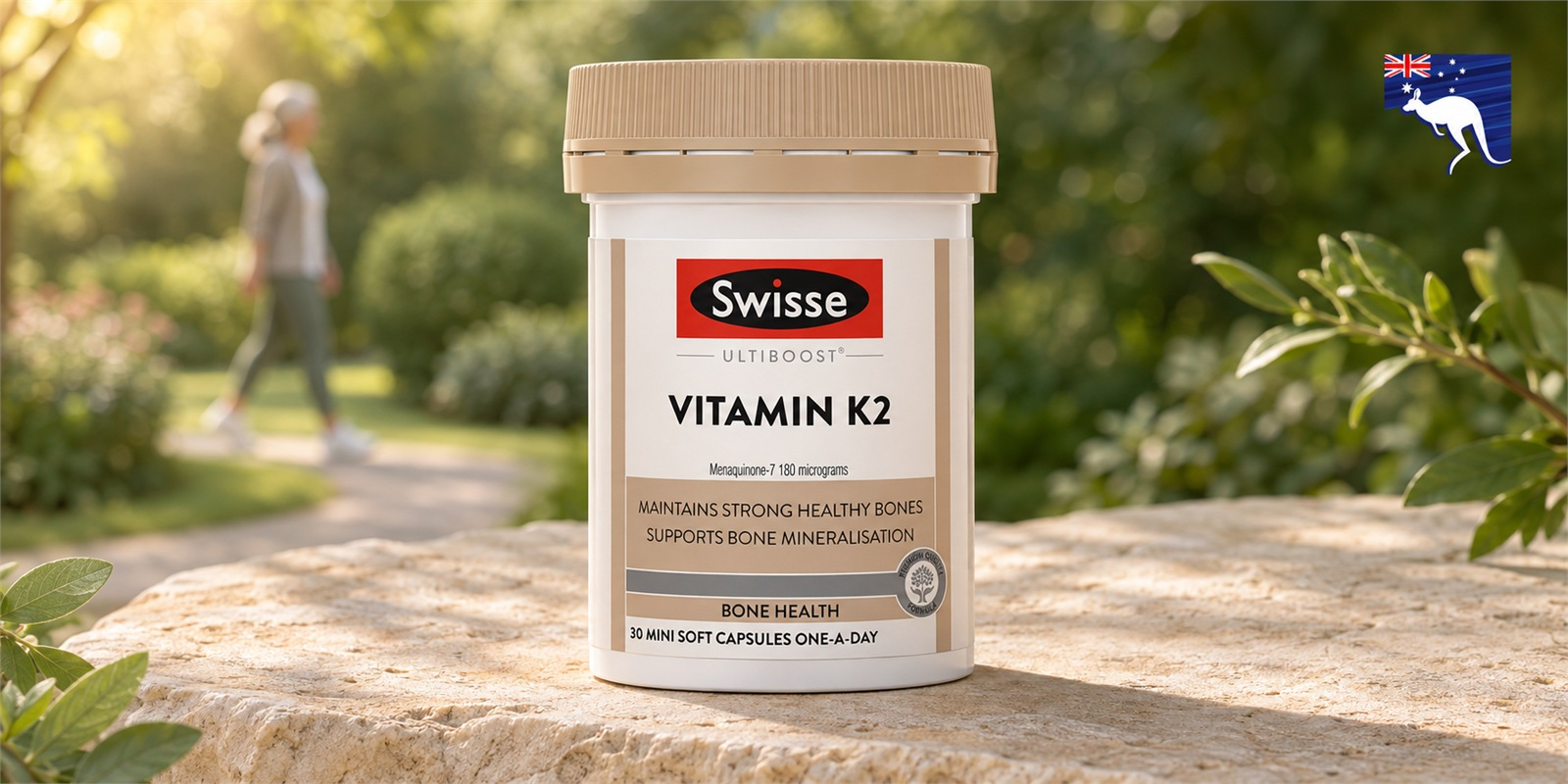
A vitamin K2 bottle can make bone health sound simple: take a capsule and help calcium reach the right place. The biology is interesting, but that short description leaves out the question most shoppers need answered. Will taking extra K2 make a useful difference for you?
Vitamin K2 benefits deserve a careful look, especially if you already take vitamin D or calcium. Understanding what K2 does, what studies actually measured and where your own needs fit will help you make a better decision than a long list of promised benefits.
K2, K1 and the names MK-4 and MK-7
Vitamin K is a family of fat-soluble nutrients. K1, or phylloquinone, is prominent in leafy vegetables. K2 is a group of compounds called menaquinones; MK-4 and MK-7 are two names you may see on a supplement label. They are forms of the same vitamin family, not separate essential vitamins with separate daily targets.
The NIH vitamin K fact sheet describes vitamin K's role in activating proteins involved in blood clotting and bone metabolism. These include osteocalcin in bone and matrix Gla protein, which is being studied in relation to abnormal calcification. That explains researchers' interest in K2; it does not, by itself, establish what a capsule will prevent.
Vitamin K2 benefits: what the trials actually measured
Bone density findings do not always predict fewer fractures
It makes sense to ask whether a vitamin involved in bone proteins can help preserve bone. The harder question is whether extra K2 reduces fractures or improves bone strength beyond appropriate nutrition and usual care. Studies do not all give the same answer, and the form, dose, participants and outcomes differ.
For example, a three-year trial in healthy postmenopausal women reported benefits for some measures of bone loss with MK-7. A different three-year trial in women with osteopenia found that adding MK-7 to calcium and vitamin D improved a vitamin K-related blood marker but did not improve bone density or microarchitecture compared with placebo.
For a reader, the distinction matters. A better laboratory marker is encouraging, but avoiding a hip fracture is the outcome that changes daily life. K2 should not replace a bone-density assessment, prescribed osteoporosis treatment or a discussion about fall risk. If a clinician recommends it as part of a wider plan, ask what benefit they expect and how that plan will be reviewed.
Artery calcification findings need careful interpretation
Claims that K2 cleans arteries or removes existing plaque go beyond what a shopper can reasonably expect. Calcification research is developing, and studies examine different tissues and patient groups. A result involving a heart valve is not interchangeable with a result involving coronary arteries.
The 2026 DANCODE trial tested K2 plus D3 in people who already had severe coronary artery calcification. Over two years, the combination slowed the increase in calcification measured on scans. This is a meaningful research finding in a selected clinical population. It does not show that an ordinary K2 supplement prevents heart attacks in otherwise healthy adults, or that existing calcium deposits disappear.
If you have known coronary disease, take that evidence to your cardiologist rather than copying the research dose. A trial's treatment, monitoring and patient selection are part of the result. Stopping cholesterol or blood-pressure treatment to try a supplement would miss that context.
For readers already taking vitamin D3, the separate question is whether this research justifies adding K2. The companion guide looks at that decision, including combination products and the limits of dosing-ratio claims.
Blood clotting and symptoms that need assessment
Vitamin K is needed for normal clotting. However, unexplained bruising, repeated nosebleeds or other abnormal bleeding are reasons for assessment, not reasons to self-diagnose a K2 shortage. Several medicines and health conditions can cause these symptoms. Heavy bleeding, black stools or vomiting blood need urgent medical care.
When diet, absorption or treatment changes the K2 question
Most healthy adults can start by reviewing their diet instead of assuming they need a separate K2 product. The NHS vitamin K guidance advises obtaining vitamin K through a varied, balanced diet. A low intake of one particular K2 food does not automatically establish vitamin K deficiency.
A clinician may pay closer attention when there are problems absorbing dietary fat, a very restricted diet, relevant digestive or liver disease, or medicines that affect vitamin K. Someone receiving treatment for low bone density may also want their overall nutrition reviewed. The appropriate response can involve treating an underlying condition, changing food intake or prescribing a specific vitamin preparation.
These situations are different from feeling tired after a busy week or noticing joint stiffness. Neither symptom identifies a need for K2. Bringing a medication list, any relevant test results and a short record of usual meals to an appointment is more helpful than ordering several overlapping supplements first.
K2 foods without an imported shopping list
Eggs, some dairy foods, meats and particular fermented foods contribute menaquinones. Natto, a Japanese fermented soybean food, is often highlighted because of its MK-7 content, but it is not a requirement for a healthy Bangladeshi diet. You do not need to rebuild family meals around an unfamiliar imported ingredient.
Start with meals you already enjoy: an egg with breakfast, an appropriate portion of chicken at lunch, or plain dairy if it suits your diet. Keep vegetables such as palong shak in the pattern as well. Leafy vegetables mainly provide K1, and their value does not disappear because the label on a bottle says K2.
Food lists cannot give a precise K2 score for every local recipe. Animal feed, bacterial cultures, processing and the particular food can affect the amount. Treat a list as a guide to variety, not a reason to eat large quantities of cheese, butter or organ meat.
Reading an MK-7 label beyond the front-of-pack claim
If supplementation fits your plan, read the back label before comparing prices. A clear single-ingredient product may be easier to assess than a large combination when the goal is specifically K2. A combination can be convenient when its other ingredients also match your needs.
- Check the form: the label should identify the vitamin K ingredient, such as menaquinone-7 or MK-7.
- Check the daily serving: the amount per capsule may differ from the amount in the recommended daily dose.
- Check the units: micrograms may be written mcg or μg. They are not milligrams.
- Check overlap: a bone formula, multivitamin and separate D3/K2 product can repeat ingredients.
- Check practical details: capsule material, allergens, storage instructions, expiry date and a traceable supplier should all be clear.
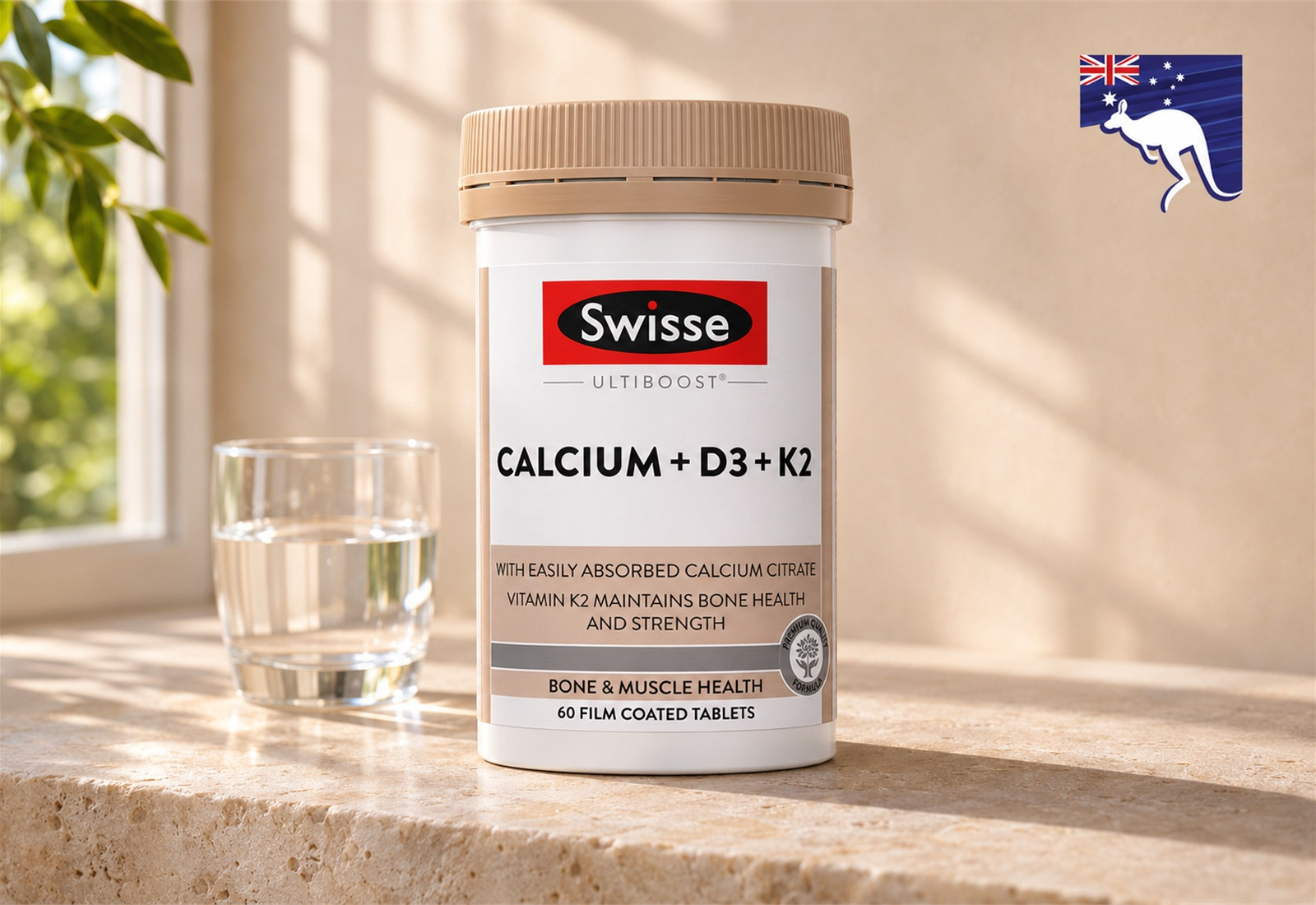
Do not assume that a longer ingredient list makes a product more complete for you. For example, a calcium-containing formula answers a different shopping question from K2 alone. Before adding it, consider whether dietary calcium has already been assessed and whether calcium supplementation was actually recommended.
When K2 has a clear place in your nutrition plan, this Swisse label is one example to check against the points above. The sidebar also lets you compare K2 alone with calcium-containing formulas, using the current serving amounts and prices.
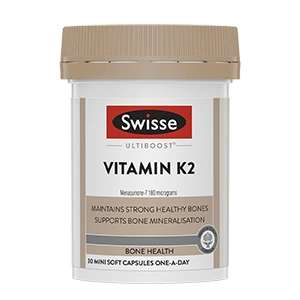
Swisse Ultiboost Vitamin K2
Swisse Ultiboost Vitamin K2. Vitamin K2 as menaquinone-7 (MK-7) 180 micrograms per mini soft capsule. Compare pack prices in Bangladesh.
Does a vitamin D3 routine also need K2?
The two nutrients work in related areas of bone and mineral biology, which is why they appear together in supplements. There is no universal rule that every adult taking D3 must add K2. The useful decision is whether the combination's amounts suit your reason for taking it.
K2 is also not a licence to take excessive vitamin D. If a clinician has prescribed a high-dose course of D3, follow that plan and its monitoring instructions. Do not add or alter products because an online chart suggests a universal D3-to-K2 ratio.
Taking warfarin? Discuss any vitamin K change first
NHS warfarin advice specifically warns about vitamin K supplements and changes in vitamin K intake. If you use warfarin, speak with the clinician managing your anticoagulation before starting, stopping or changing K2. Keep food habits reasonably consistent rather than suddenly removing all leafy vegetables.
Tell a pharmacist about other medicines too. Pregnancy, breastfeeding, childhood and significant long-term disease are good reasons to seek individual guidance before selecting an adult supplement. A product that suits a family member may not suit your situation.
Start with the reason you are considering K2
Decide what problem you are trying to solve. If it is a sparse diet, start with practical food changes. If it is diagnosed osteoporosis, an abnormal scan or possible malabsorption, begin with the clinician managing that condition. If you have already been advised to use K2, compare the exact form, serving and additional ingredients with that recommendation.
This approach still leaves room for supplements. It simply gives the purchase a clear purpose and makes it easier to judge whether the product belongs in your routine.