Vitamin B12 Foods in Bangladesh: Everyday Sources and Dietary Gaps
Fish, meat, eggs and dairy can contribute B12 to familiar Bangladeshi meals. The important questions are how often you eat them and whether your body absorbs the vitamin. Learn how to plan realistic food choices and recognise gaps that food alone may not fix.
Quick Answer
Practical vitamin B12 foods in Bangladesh include fish, meat, eggs, milk and yoghurt. People avoiding animal foods need a dependable alternative, usually B12-fortified foods or a suitable supplement. Dal, vegetables and unfortified grains are valuable foods but do not replace B12. Food choices support prevention; suspected deficiency or poor absorption needs medical assessment.
Key Takeaways
- Look at your regular weekly intake, not only whether you occasionally eat fish or eggs.
- Plain plant foods do not provide a dependable B12 plan; check fortified products for the stated amount.
- Food composition differs by species, portion and preparation, so precise local B12 values should not be guessed.
- A diagnosed deficiency or absorption problem may need treatment beyond a change in meals.
A plate of rice, dal and vegetables can be a familiar, satisfying meal. Where is the B12? That is a useful question to ask when fish, eggs, meat or dairy are absent from most of the week—not because the meal is “bad”, but because different foods contribute different nutrients.
Finding vitamin B12 foods in Bangladesh does not require an expensive imported diet. It does require looking at your actual portions and routine, then making a dependable plan if animal foods are limited or excluded.
Vitamin B12 foods in Bangladesh: fish, eggs, dairy and fortified choices
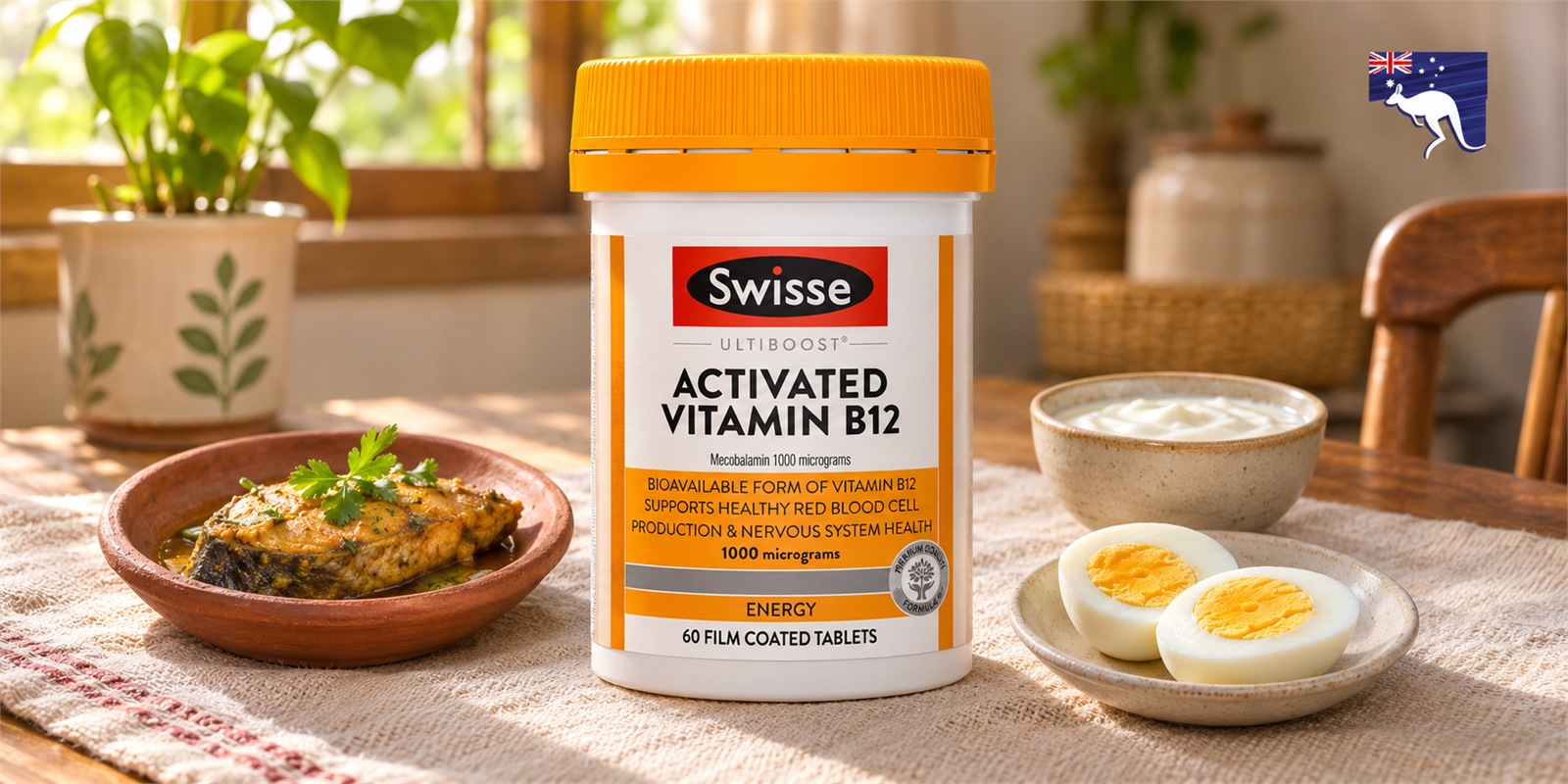
B12 occurs naturally in animal foods. The NHS guide to B vitamins identifies meat, fish, milk, cheese and eggs among the sources. Here is how those food groups can fit into local meals.
| Food group | Practical meal idea | What to keep in mind |
|---|---|---|
| Fish | A portion of cooked fish with rice, dal and vegetables. | Species and edible portion affect nutrient content; gravy is not equivalent to a fish portion. |
| Eggs | A boiled egg, omelette or egg curry alongside other foods. | Think about regular intake rather than relying on an occasional egg. |
| Milk and yoghurt | Milk with breakfast or plain yoghurt as part of a meal. | A small splash of milk in tea is different from a serving of milk. |
| Meat | A modest portion in a mixed meal with vegetables and grains. | There is no need to make every meal meat-centred to plan B12. |
| B12-fortified foods | A labelled fortified cereal or plant drink when available. | Check the amount per serving; fortification cannot be assumed. |
Exact B12 figures for one fish species should not be copied across all fish sold locally. The Food Composition Table for Bangladesh is a useful reference for local food identification and composition, but nutrient coverage and individual entries need checking. This guide deliberately uses practical food groups rather than unsupported microgram rankings for local fish.
What 2.4 micrograms means for everyday meals
As a reference, the US recommended dietary allowance is 2.4 micrograms a day for adults, rising to 2.6 in pregnancy and 2.8 while breastfeeding. These figures, listed by NIH ODS, describe dietary needs; they are not tablet doses or treatment instructions. Children's requirements differ.
You do not need to turn every meal into a calculation. Begin by checking whether a dependable source appears regularly. If the answer is uncertain, a dietitian can help estimate intake from the foods and portions you actually use.
Make B12 fit the way your household eats
Sharing fish curry: check what reaches each plate
Choose a few meals that already work for your family. An egg at breakfast, fish at lunch on some days and dairy where suitable can create opportunities to include B12-containing foods. These are meal-building examples, not a calculated menu guaranteed to meet everyone's requirement.
Look at serving habits too. A shared curry may contain several fish pieces, but what reaches each person's plate matters. Children, older relatives or someone with a poor appetite may eat a different amount from the household average. Ask what the individual usually finishes.
Keeping a B12 plan affordable
Compare familiar options you can obtain consistently. The most impressive food on a nutrient chart is not helpful if it is rarely affordable or practical to prepare. Plan shopping around a few usable choices and avoid spending on a “superfood” before checking whether it genuinely supplies the nutrient you need.
If adequate intake remains difficult, discuss a suitable supplement with a pharmacist or clinician. That conversation can be more useful than repeatedly buying small amounts of an expensive food in the hope that it covers the whole gap.
When that discussion leads to a B12 supplement, compare the amount and schedule on the label below with the advice you receive. The strongest tablet is not automatically the best way to cover a food gap; check the other sidebar options on the same basis.
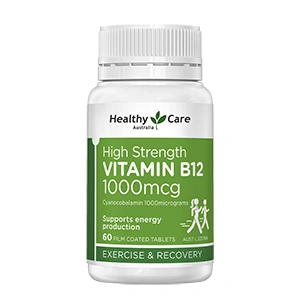
Healthy Care High Strength Vitamin B12 1000mcg
Healthy Care High Strength Vitamin B12 1000mcg in Bangladesh. Compare pack prices, cyanocobalamin formula, directions and label cautions.
Milk in tea: count the portion you actually use
Write down the amount you actually use. “I have milk every day” may mean a full serving, or it may mean a little milk shared across several cups. The same distinction applies to yoghurt: a spoonful in a recipe is different from eating a portion. Accurate descriptions make nutritional advice easier to personalise.
What changes when eggs, dairy or all animal foods are excluded?
A vegetarian who regularly eats eggs and dairy may obtain B12 from those foods, but the amounts still matter. A vegan diet needs a dependable fortified-food or supplement strategy. Lentils, chickpeas, leafy vegetables and unfortified rice provide other nutrients; they are not substitutes for B12.
The NHS vegan-diet guidance highlights B12-fortified cereals, fortified soya drinks and fortified nutritional yeast among possible options. The key word is “fortified”. Products in similar-looking packages can have very different nutrient panels.
Fortified does not mean the same amount in every pack
- Find vitamin B12 specifically. “Plant based”, “high protein” or “with vitamins” is not enough information.
- Check the quantity and serving. If the panel gives an amount per 100 ml, compare it with the amount you actually drink.
- Check repeatability. Decide whether you can obtain and use that product consistently, including when shopping at a different store.
For a hypothetical label listing 0.5 micrograms per 100 ml, a 200 ml serving would provide 1 microgram. This is a calculation example, not a claim about a specific product. Use the figures on your own pack, and recheck them when changing brands.
Why eating B12-rich foods does not rule out deficiency
Food planning is useful, but low intake is only one cause of deficiency. A person who eats animal foods may still have an absorption problem. Persistent tiredness, numbness or balance changes should therefore lead to assessment, not just a larger shopping basket.
The guide below explains which symptoms to mention and when to seek help. Use it to prepare for a conversation with a clinician, rather than to diagnose a deficiency yourself.
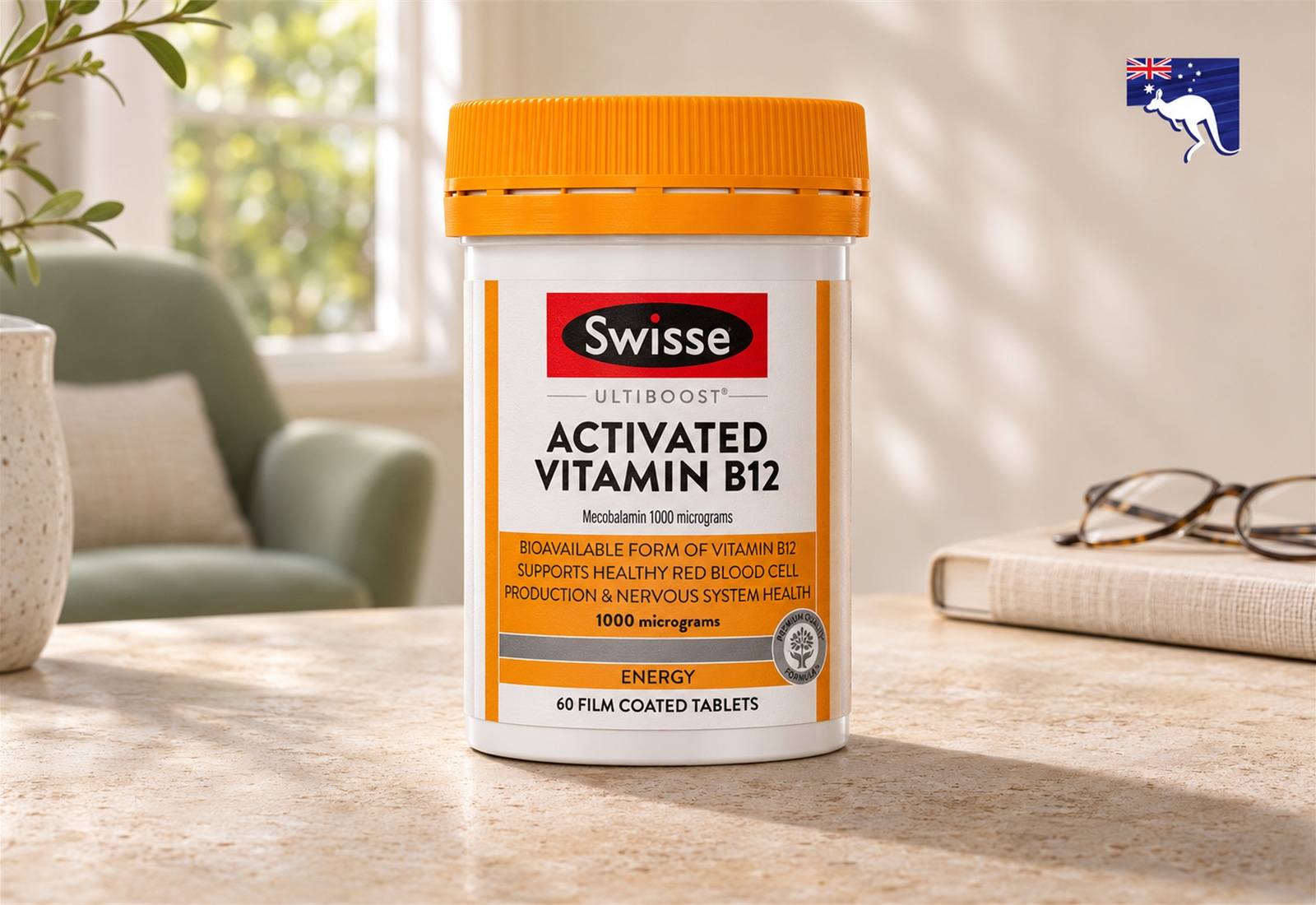
The NHS treatment guidance explains that treatment depends on the cause and may include tablets or injections. If you have already been diagnosed, ask how dietary changes fit alongside treatment rather than replacing it.
A useful next step is a short food record covering ordinary weekdays and a weekend day. Note portions, fortified brands and supplements, then discuss any gaps with a qualified professional. This turns a general concern about “eating enough vitamins” into a practical B12 plan you can maintain.