
Vitamin B12 Deficiency: Symptoms, Causes and When to Get Tested
Vitamin B12 deficiency can affect blood formation and the nervous system, sometimes without anaemia. This guide explains the symptoms, dietary and absorption-related risks, what testing involves and why the cause matters when choosing treatment.
Quick Answer
Vitamin B12 deficiency can cause tiredness, a sore tongue, numbness, pins and needles, balance problems and changes in memory or thinking. Symptoms are not specific enough for self-diagnosis. Ask a clinician about testing if symptoms persist or you have risk factors such as low B12 intake, relevant medicines or an absorption problem. New neurological symptoms need prompt assessment.
Key Takeaways
- B12 deficiency can affect nerves even when anaemia is absent.
- Diet is only one possible cause; absorption problems and some medicines also matter.
- Blood-test results need to be interpreted alongside symptoms, supplements and medical history.
- Treatment may involve tablets or injections, with duration determined by the cause and response.

Tiredness is easy to explain away. You may blame a late night, a long commute or a demanding month. But when fatigue comes with tingling feet, an unusually sore tongue or trouble keeping your balance, it is worth arranging a medical assessment rather than simply buying an “energy” supplement.
Vitamin B12 deficiency is one possible explanation. It is treatable, but symptoms overlap with many other conditions. The aim is to recognise when to investigate, find the cause and choose treatment that fits—not to diagnose yourself from a checklist.
How low B12 can affect blood and nerves
Vitamin B12 deficiency means the body does not have enough usable B12 for its normal needs. This nutrient supports blood formation and nerve function. A deficiency can affect either area, so a normal-looking blood count does not by itself settle the question.
The NHS overview of B12 deficiency emphasises that some symptoms occur without anaemia and that delayed treatment can leave lasting problems. That is why the history of your symptoms matters alongside a laboratory result.
B12 deficiency symptoms to describe at an appointment
Symptoms can build gradually. You may first notice that a familiar task feels harder, that your feet feel different, or that concentration takes more effort. None of these changes proves B12 deficiency, but a pattern that persists is worth describing clearly.
| What you may notice | Useful detail to tell the clinician |
|---|---|
| Unusual tiredness, weakness or breathlessness | When it started and whether walking, stairs or daily tasks have become more difficult. |
| A sore or red tongue, sometimes mouth ulcers | Whether it affects eating and whether symptoms keep returning. |
| Pins and needles, numbness or altered sensation | Which areas are affected, whether both sides are involved and whether symptoms are spreading. |
| Balance or coordination problems | Any falls, near-falls or changes in walking. |
| Changes in thinking, memory or mood | Specific examples and observations from someone who knows you well. |
These are among the features described in the NHS symptom guidance. A clinician may also consider other explanations. For example, tingling should not automatically be labelled as either B12 deficiency or diabetes-related nerve damage without assessment.
How quickly do these symptoms need attention?
Book an appointment for persistent changes
If tiredness, a sore tongue or altered sensation continues, book a medical appointment. Mention relevant diet restrictions, medicines and previous stomach or bowel problems when you arrange it. This gives the clinician a better starting point than asking for a vitamin test without any context.
Get prompt advice about worsening nerve symptoms
New numbness, progressive weakness, difficulty walking or changes in balance deserve prompt medical advice. Do not wait several weeks to see whether an over-the-counter supplement helps. Earlier assessment also allows other potentially important causes to be considered.
Sudden weakness or chest pain needs urgent care
Sudden one-sided weakness, new speech difficulty, severe breathlessness, chest pain, fainting or sudden confusion needs urgent medical care. Do not assume it is a vitamin problem or wait for a routine B12 test. If you feel unsafe walking or driving, ask someone to help you reach care.
Low intake or poor absorption: finding the cause
When meals leave a B12 gap
People who avoid animal foods need a reliable alternative, such as appropriately fortified foods or a B12 supplement. Some vegetarians also have limited intake if eggs and dairy are only occasional additions. The useful question is what you regularly consume, not just whether your diet has a particular name.
When low intake is the concern, this Bangladesh food guide shows where dependable B12 can fit into usual meals. Absorption problems, discussed next, need a different approach.

When B12 is present in food but poorly absorbed
A person can eat B12-containing foods and still develop deficiency. Stomach and bowel conditions, certain operations and autoimmune gastritis can interfere with absorption. Autoimmune gastritis may reduce intrinsic factor, a protein involved in absorbing B12. The term “pernicious anaemia” is also used in this context.
The NHS explanation of causes describes these dietary and absorption pathways. If absorption is the problem, simply adding more fish or milk may not resolve it. Establishing the cause is part of treatment, not an optional detail after choosing a tablet.
Metformin, acid-reducing medicines and nitrous oxide
Metformin and some medicines that reduce stomach acid can affect B12 status. Tell the clinician how long you have taken them and whether the dose has changed. Also disclose nitrous oxide use if relevant; it can affect B12 function and is important information for a neurological assessment.
The MHRA advises checking B12 when metformin users develop suggestive symptoms and considering periodic monitoring in people with risk factors. Do not stop metformin yourself. Low B12 can be treated while the diabetes treatment continues under medical supervision.
Who should ask about a B12 blood test?
Symptoms together with a risk factor make a useful reason to ask. Examples include persistent tingling in someone taking metformin, fatigue after a prolonged restrictive diet, or walking changes after stomach surgery. You do not need to decide which blood test to order before seeking care.
If you feel well but have a long-term dietary restriction, discuss prevention and whether testing is appropriate. An individual plan is more useful than automatically repeating a large “vitamin panel”. For a family member with several health conditions, bring previous reports so the clinician can decide what adds useful information.
What your history and test results can tell the clinician
The appointment should cover your symptoms, diet, medicines, supplement use and medical history. The clinician may examine you and arrange blood tests, which can include a blood count and a B12 measurement. Other tests may help identify a different or additional cause of the symptoms.
According to the NHS diagnostic guidance, symptoms and laboratory findings both matter, and further investigation may be needed to identify the cause. Depending on the results, you may be referred to a specialist or dietitian.
NICE guidance describes initial total or active B12 testing and the use of methylmalonic acid when an initial result is uncertain. Availability varies, so a test described online may not be offered by every laboratory in Bangladesh. Ask what the result will change in your care before paying for additional testing.
A borderline B12 result is not the whole diagnosis
Laboratory methods, units and reference ranges differ. Avoid comparing a screenshot of someone else's result with your own number. Ask whether your result clearly explains the symptoms, is uncertain, or makes deficiency less likely, and what follow-up is needed in each case.
A result is also a snapshot. Supplements taken before testing can alter it, so tell the clinician the exact product, amount and start date. If you have already begun treatment, do not stop it just to obtain a “clean” test without advice.
What to bring to a B12 assessment
- Write a short timeline: first symptom, changes since then and anything making everyday activities harder.
- List actual meals: include a few typical days rather than an unusually healthy day.
- Photograph labels: include B12, B-complex, multivitamins and any hair or energy supplements.
- Bring medical details: medicines, previous operations, digestive conditions and earlier blood results.
- Choose your main question: for example, “Could my symptoms be related to B12, and how will we check?”
If memory problems or fatigue make appointments difficult, a trusted person can help you describe the changes and remember the plan. Ask for the treatment instructions and follow-up date in writing. This is especially helpful when several medicines have similar packaging.
Tablets or injections? Treatment follows the cause
Treatment may use oral B12 or injections. The route, dose and duration depend on the cause, severity, neurological symptoms and response. A product marketed for general nutrition should not be assumed to match a treatment prescription.
If your clinician recommends oral B12, the Healthy Care listing below lets you check its stated strength, form and pack directions against that plan. A retail product listing cannot decide whether you need tablets or injections.
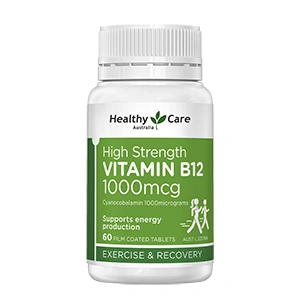
Healthy Care High Strength Vitamin B12 1000mcg
Healthy Care High Strength Vitamin B12 1000mcg in Bangladesh. Compare pack prices, cyanocobalamin formula, directions and label cautions.
A dietary gap and a persistent absorption problem can require different long-term plans. Ask whether treatment is temporary, ongoing or likely lifelong, and what evidence will guide that decision. If injections are advised, discuss how appointments will fit around work or travel so missed visits do not become a recurring problem.
Food improvements can support the plan, but they should not delay treatment of a diagnosed deficiency. Equally, feeling better after a few doses does not prove the underlying cause has disappeared. Keep the planned review and let the clinician decide when the regimen should change.
Track recovery without changing treatment on your own
Recovery is individual. Ask which symptoms are expected to improve first, when the treatment should be reviewed and what to do if you worsen. A simple symptom note can be useful: record a few meaningful activities, such as walking to the market or completing a workday, rather than repeatedly scoring every sensation.
Seek advice if symptoms persist, return or progress. The clinician may need to reassess the diagnosis, treatment delivery or another condition. Avoid responding by adding several supplements at once; that makes it harder to understand what is helping and what may be causing a new problem.
B12 concerns during pregnancy or childhood need tailored care
If you are pregnant or breastfeeding and have suspected deficiency, contact your maternity clinician promptly, especially with a restricted diet or previous low B12. An adult supplement shopping guide cannot determine the right treatment for an infant or child. Concerns about a child's feeding, growth, unusual weakness or development should go directly to a healthcare professional.
For most readers, the next useful step is straightforward: write down the symptoms and risk factors, arrange an assessment, and bring the products you already take. A clear diagnosis makes the food and supplement choices that follow much more purposeful.