Egmont Honey Products in Bangladesh: 7 MGO Options Explained
Seven Egmont jars cover very different budgets and buying preferences. This range guide helps Bangladesh shoppers find the correct MGO product, understand multifloral and monofloral labels, choose a practical pack and move straight to the relevant product information.
Quick Answer
The Egmont honey range listed by Australian Goods includes multifloral MGO 50+ and Manuka MGO 85+, 265+, 575+, 830+, 1050+ and 1200+. Start with honey type, then choose the grade and pack you value. This is a directory of the listed range, not a sales ranking or proof that the highest grade is the best choice for every buyer.
Key Takeaways
- The seven listed Egmont products span MGO 50+ to MGO 1200+; their type, grade and available sizes differ.
- MGO 50+ is the multifloral option. Keep that distinction visible when comparing it with monofloral products.
- Choose a first jar, household pack or gift by your budget and preferences; MGO is not an age-based or medical dose.
- Check the current selected pack, label, stock information and delivery estimate on the product page.
Seven Egmont jars can look like seven versions of the same purchase. Then you notice the numbers: 50+, 85+, 265+, all the way to 1200+. Which product should you open first?
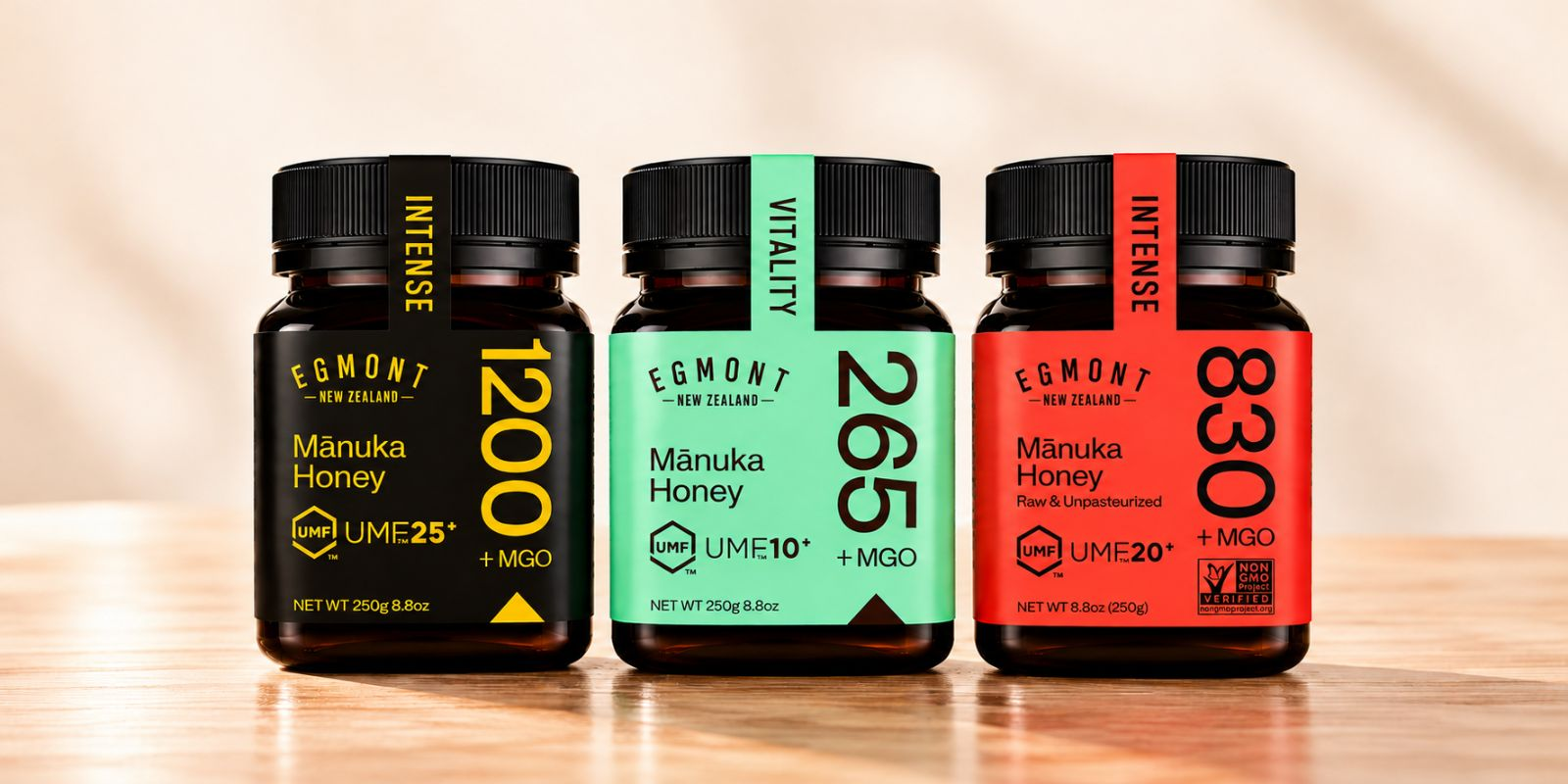
This guide gives you a clear route through Egmont honey products in Bangladesh. It covers the seven honey listings at Australian Goods, with links to the correct product and a practical reason to consider each. These are range options, not a ranking of best sellers. Your starting point can be a modest everyday jar, a specific monofloral grade or a carefully chosen gift.
The Egmont honey range at a glance
Egmont is a New Zealand brand. The table reflects the catalogue checked on 27 October 2026; additional pack sizes may be selectable on individual product pages. Confirm the option you want before comparing its price.
| Product to explore | Honey type | Pack shown when checked | A useful starting point for |
|---|---|---|---|
| Egmont MGO 50+ | Multifloral Manuka | 500 g | A larger multifloral pantry jar |
| Egmont MGO 85+ | Monofloral Manuka | 250 g | A smaller first monofloral purchase |
| Egmont MGO 265+ | Monofloral Manuka | 250 g | A middle option in the listed range |
| Egmont MGO 575+ | Monofloral Manuka | 250 g | A deliberate higher-grade choice |
| Egmont MGO 830+ | Monofloral Manuka | 250 g | A premium specification shortlist |
| Egmont MGO 1050+ | Monofloral Manuka | 250 g | A buyer seeking this particular high MGO label |
| Egmont MGO 1200+ | Monofloral Manuka | 250 g | The highest listed MGO option in this selection |
For current checked prices and comparisons by weight, use our separate Egmont honey price guide. This page helps you find the product; that guide helps you compare the spend.
Start with the honey type, then read the number
The first distinction is multifloral versus monofloral. MGO 50+ is the multifloral product here; the other listings are monofloral options. New Zealand’s MPI definition uses chemical and DNA attributes to distinguish qualifying Manuka categories. Multifloral is a classification, not an admission that the honey is fake.
MGO describes methylglyoxal concentration. UMF is a separate certification framework that considers multiple markers. Read the specific marks printed on the jar rather than giving every MGO number an assumed UMF equivalent. Neither system provides a daily dose or tells you which grade a particular illness needs.
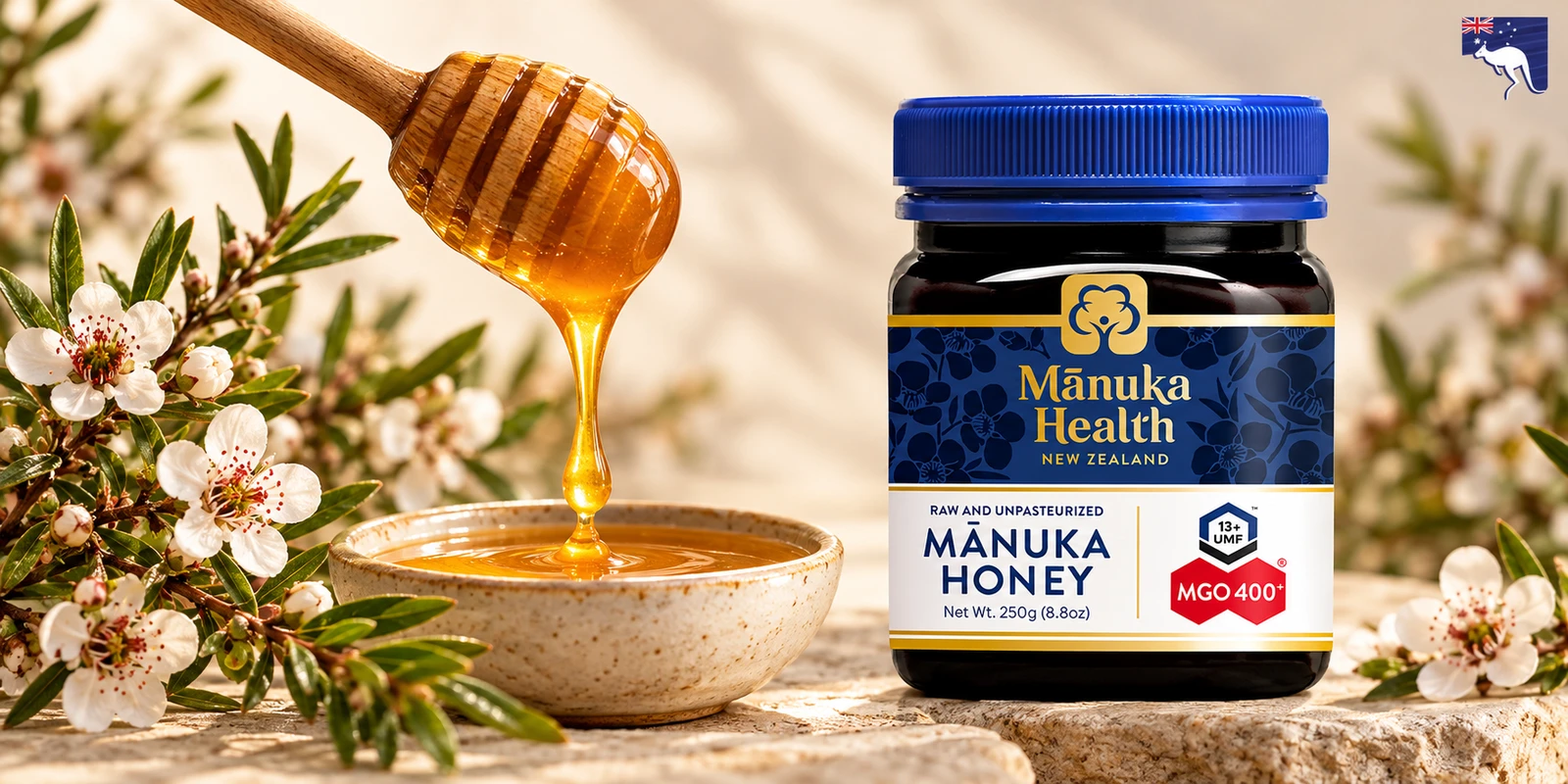
Find the Egmont product you came for
MGO 50+: the multifloral option
Start here if you want to explore Egmont as a food for the pantry and prefer a larger jar. The checked pack contains 500 g, with a 1 kg option also shown in the catalogue. Keep its multifloral identity in mind when comparing it with the monofloral products below. It can be a sensible shortlist for toast, yoghurt or porridge, without suggesting that you need a premium grade for an ordinary meal.
MGO 85+: a smaller monofloral starting point
This listing offers a way into the monofloral range without beginning at its highest MGO number. The checked pack is 250 g, and the catalogue identifies MGO 85+ with UMF 5+. A smaller pack can suit someone trying the brand before deciding on a larger order. Check the available weight options and their prices; the smaller jar’s lower upfront cost is different from a lower price per gram.
MGO 265+: a useful middle option to inspect
MGO 265+ sits between the lower-numbered jars and the more expensive high-MGO products. The catalogue pairs it with UMF 10+ and shows a 250 g starting pack. It is useful for shoppers who have decided they want monofloral Manuka and are comparing a specific label specification. Review its pack choices and batch information rather than treating this grade as a universal recommendation for every household.

Egmont Premium Manuka Honey MGO 265+ (New Zealand)
Egmont MGO 265+ Manuka honey in Bangladesh: compare jar weight, labelled grade, batch traceability, food-use guidance and current price.
MGO 575+: a considered step into higher grades
The MGO 575+ listing carries a UMF 16+ pairing and has a 250 g pack in the checked selection. Consider it when the higher labelled concentration is a feature you actively want. Before moving up from MGO 265+, compare equivalent weights and decide whether that specification justifies the additional cost for you. A larger number should answer a buying preference, not create pressure to upgrade.
MGO 830+: a premium shortlist option
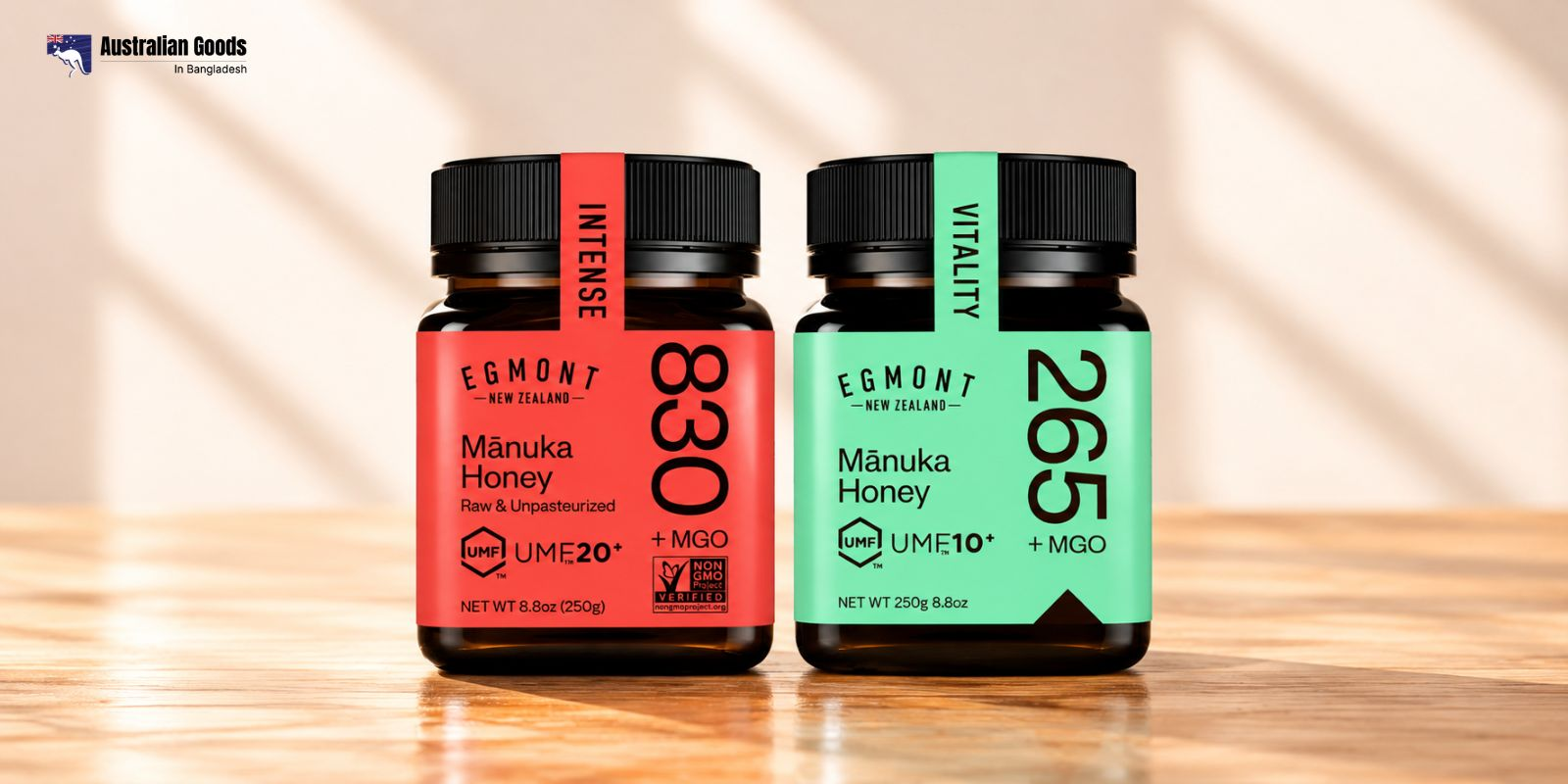
MGO 830+ is another monofloral product, with UMF 20+ identified in the catalogue. The checked pack is 250 g. Someone shopping for a premium jar or a gift for an existing Manuka enthusiast may want to inspect it alongside the neighbouring grades. If the recipient already enjoys a particular honey, that preference is more useful than assuming everyone wants the highest number available.
MGO 1050+: check the exact supplied label
This is a high-MGO option listed in a 250 g pack. Follow the linked product’s MGO description and confirm the actual jar’s certification and label details before ordering. Brand ranges and market-specific labels can differ, so a number from an overseas chart should not replace the specification of the item supplied in Bangladesh. Choose this listing when MGO 1050+ is specifically what you are seeking.
MGO 1200+: the top MGO number in this selection
The MGO 1200+ listing completes this seven-product directory. Its checked pack is 250 g with UMF 25+ shown, and it sits at the premium end of the local range. This makes it relevant to buyers deliberately seeking that grade, rather than a default recommendation for first-time honey shoppers. Check the product details, the supplied label and your budget together before deciding that this is the right jar.
Three practical routes to a shortlist
You are trying Egmont for the first time. Decide whether multifloral or monofloral matters to you, then compare a smaller pack with the amount you expect to enjoy. MGO 50+, 85+ and 265+ give you different starting points. There is no need to order several grades simply to begin.
You already keep honey at home. Start with what you like about your current jar: its type, quantity or ease of use. Check the same grade’s larger available packs before switching products. A familiar jar at a suitable size can be a better fit than a premium product you chose only for its number.
You are choosing a gift. Match the recipient’s preferences and check the pack presentation, seal, best-before information and delivery estimate. Confirm that they actually enjoy honey. A premium label is useful only when it adds something the recipient values.
Make the product page work for you
Open one or two relevant listings from the table. Select the weight, then read the price for that variation and the delivery information for your Bangladesh address. Do not assume the first price shown belongs to every jar size or that a listed product is immediately ready for local dispatch.
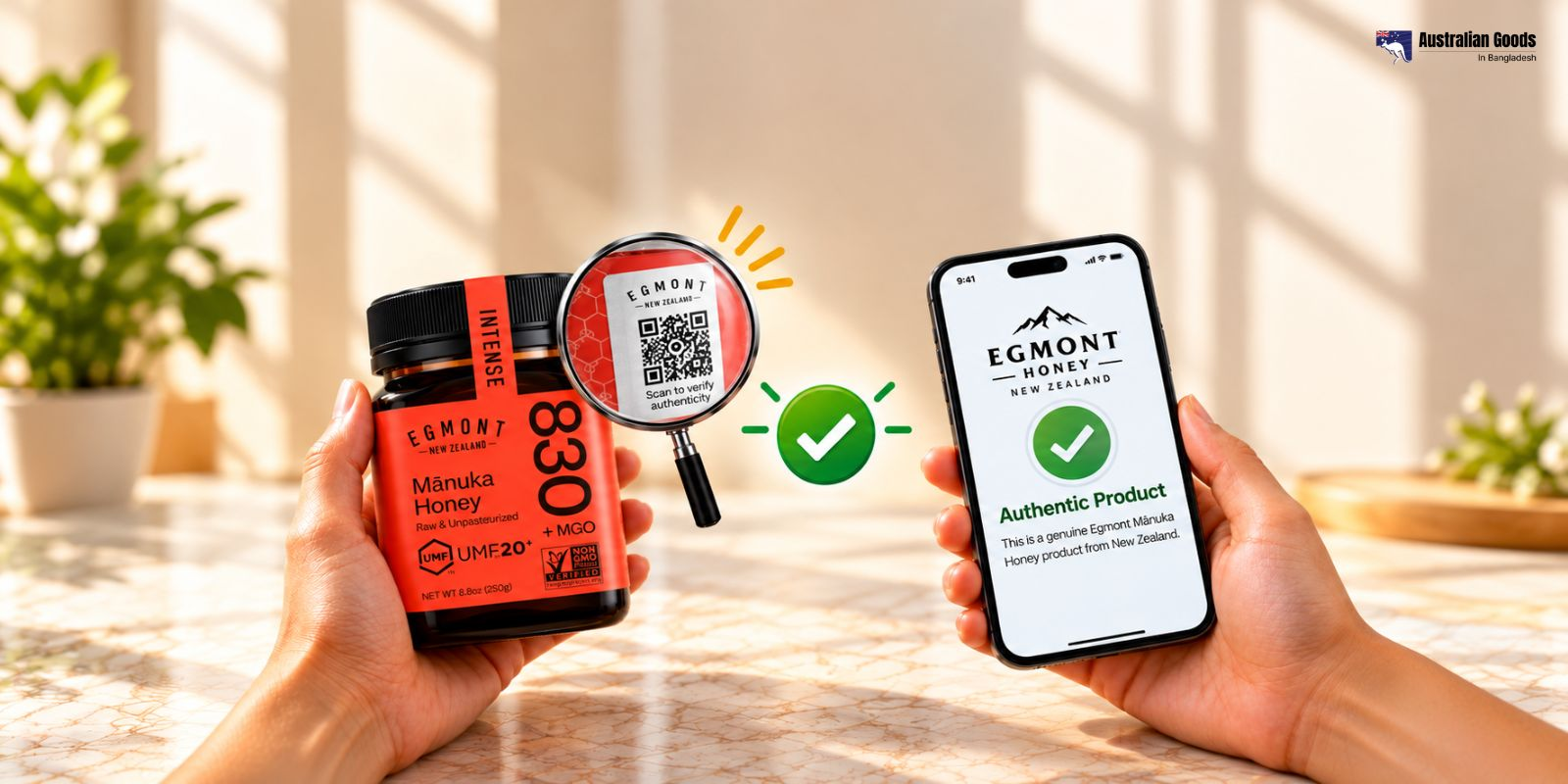
For label confidence, Egmont’s official batch lookup connects a jar’s batch details with its available test information. Keep the order record and inspect the supplied jar. Our Egmont authenticity checklist explains what to do if the packaging or batch details raise a question.
Honey remains a sweet food across the range. Use amounts that fit your diet, and never give any honey to a baby under 12 months. Higher MGO products should not be bought as a substitute for medical treatment.
Ready to narrow it to one jar?
Choose the type first, the specification you value second and the pack that suits your budget third. If two products still look equally suitable, our Egmont grade comparison goes deeper into that decision. If you already know your preferred product, return to its listing above and confirm the current option before ordering.