Low Sex Drive in Women: Causes and When to Seek Help
A change in desire can have more than one explanation. Explore how health, medicines, comfort, life stages and relationships affect women’s sex drive, with practical ways to prepare for a consultation and a clear distinction between support products and treatment.
Quick Answer
Low sex drive in women can be linked to stress, fatigue, relationship difficulties, medicines, hormonal changes or discomfort during sex. There is no single normal level of desire. Seek help when a change bothers you, persists or comes with pain, bleeding or other symptoms. Treatment should address the cause; a lubricant, pleasure gel and libido supplement each serve different roles.
Key Takeaways
- Your usual pattern and how you feel matter more than a target frequency for sex.
- Desire, physical arousal, lubrication and pain are separate issues that can influence each other.
- Review medicines and symptoms with a clinician; do not stop treatment or contraception on your own.
- Products may support a specific need, but persistent low desire or painful sex deserves appropriate assessment.
You may still feel close to your partner but rarely think about sex. Or intimacy may have started to feel like one more demand at the end of a tiring day. When that is different from how you used to feel, it is understandable to wonder what has changed.
Low sex drive in women is not a verdict on a relationship, femininity or attractiveness. The useful question is whether your level of desire feels right for you. If it does not, there is room for a thoughtful conversation about your health and circumstances before deciding what might help.
What counts as low sex drive?
Libido means interest in sexual activity. There is no required number of times to want sex, and a difference between partners does not automatically mean one person has a disorder. Consider your own pattern: has interest changed, is the change upsetting, and is it present in every situation or only some?
Sexual Health Victoria’s guidance on libido describes desire as something affected by context as well as physical health. A week of exhaustion and a longer-lasting loss of interest may call for different conversations. You can ask for help whenever you are concerned; you do not need to wait for a problem to become severe.
Desire, arousal, dryness and pain are different
| What you notice | What it may describe | A useful next question |
|---|---|---|
| Little interest in sexual activity | Desire or libido | When did this change, and how do I feel about it? |
| Interest is present but the physical response feels different | Arousal or sensation | Do comfort, context or medicines seem relevant? |
| Friction or a dry feeling | Lubrication or vaginal dryness | Is it occasional, or also present outside intimacy? |
| Burning, soreness or pain | A symptom needing its own attention | Should this be assessed before trying another product? |
These experiences can overlap. Avoiding an activity because it hurts is not the same as simply needing a stronger libido product. Equally, using lubricant does not mean you lack desire. Our vaginal moisturizer versus lubricant guide explains the comfort options in more detail.
What can reduce women’s sex drive?
Everyday pressure and emotional wellbeing
Stress, poor sleep, anxiety and depression can leave little space for sexual interest. Privacy, feeling emotionally safe and being able to communicate also matter. If you feel low or have lost interest in other activities you usually enjoy, mention that alongside the sexual concern.
It may help to notice the circumstances without blaming yourself: “I feel closer when we have time together” is a different starting point from “Something must be wrong with me.” A conversation should make room for what you want, including the choice not to have sex.
Medicines and contraception
Some medicines, including certain antidepressants, can affect sexual interest or response. Some people notice changes with hormonal contraception. A timing connection is useful information, but it does not prove a medicine is the cause.
Healthdirect’s female libido guidance recommends considering medicines alongside hormonal, emotional and relationship factors. Ask the prescriber about options if you are concerned. Do not abruptly stop an antidepressant or abandon contraception without a suitable plan.
Pregnancy, childbirth and breastfeeding
Recovery from birth, disrupted sleep, hormonal changes and a new caring workload can all affect intimacy. Pain, dryness or difficult feelings after childbirth deserve attention in their own right. There is no obligation to resume sex to a timetable set by someone else.
Jean Hailes explains these life-stage influences, including how breastfeeding and recovery can affect desire. At a postnatal appointment, mention both physical comfort and emotional wellbeing. Choosing a supplement before discussing breastfeeding or possible pregnancy can introduce an avoidable suitability problem.
Perimenopause and menopause
Changes around menopause can affect sleep, mood and genital comfort as well as sexual interest. A single label such as “low libido” can hide several treatable concerns. Explain which part is troubling you most.
RCOG recommends a broad assessment of menopausal low desire. Depending on the situation, a clinician may discuss treatment for vaginal symptoms, menopausal hormone therapy or, in selected circumstances, testosterone. These are individual medical decisions. An over-the-counter herbal blend is not a substitute for that assessment.
Pain or another health problem
Long-term illness, pelvic symptoms and conditions affecting mood or energy can influence desire. If intimacy has become uncomfortable, explain exactly where and when the discomfort happens rather than trying to push through it.
For dryness, the NHS describes lubricants and vaginal moisturizers as different options and advises assessment when symptoms persist or affect daily life. Bleeding after sex, between periods or after menopause also needs medical attention. A shopping decision should not delay that check.
What you can do before an appointment
Keep a brief note over a couple of weeks if that feels useful. It does not need to be a scorecard or a daily record of sexual activity. The aim is to make a private conversation easier.
- Write down when the change began and whether it followed illness, childbirth, menopause symptoms or a medicine change.
- Separate lack of interest from dryness, pain, difficulty with arousal or difficulty reaching orgasm.
- Note sleep, mood, stress and any pressures around intimacy.
- Bring the names and doses of medicines, contraception and supplements, or clear photographs of their labels.
- Decide what you want help with: understanding the change, more comfortable intimacy, or reducing distress.
You can start simply: “My interest in sex has changed and it is bothering me.” In Bangladesh, a registered doctor or gynaecologist can be a starting point. Ask for a private discussion, and ask whether a referral would be useful. You can request a clinician you feel comfortable speaking with.
When to seek help
Arrange an appointment if the change persists, is upsetting, affects your relationship, or seems connected to medication. Seek assessment for pain, recurrent irritation, unusual discharge or bleeding rather than repeatedly trying new products. Severe pelvic pain, or pelvic pain with faintness or heavy bleeding, needs urgent medical attention.
A consultation may cover health, medicines, relationships and symptoms. An examination or tests may be appropriate depending on what emerges; a standard hormone panel is not automatically the answer to every concern. You can ask what each suggested test is intended to clarify.
Where intimate-wellness products fit
A product is most useful when its purpose matches the problem you actually want to address. Smooth Natural is a personal lubricant for lubrication needs. It does not treat an unexplained loss of desire or the cause of ongoing pain.
Temptress and Swisse High Strength Maca are supplement options to examine, not guaranteed treatments. Their formulas and precautions differ. Our guide to women’s libido supplements discusses evidence and safety before purchase.
Do not assume that “natural” means suitable during pregnancy, breastfeeding or alongside medicines. Review the current pack with a pharmacist. A pleasure gel has yet another purpose: local sensation. The arousal gel comparison can help if those categories have become confusing.
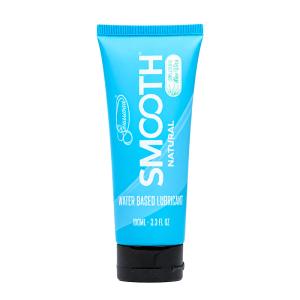
Smooth Natural™ Personal Lubricant – Water-Based with Aloe Vera 100ml
Smooth Natural™ is a water-based personal lubricant for adults who want a smooth, comfortable feel during intimacy. Its colourless formula combines aloe vera juice with a water bas...
There is no need to buy several products to prove that you are taking a concern seriously. Choose a next step that answers your question, respects your comfort and gives you a clearer understanding of what is happening.