Arousal Gel vs Personal Lubricant: What’s the Difference?
Arousal gel and lubricant are often displayed together, but their intended uses differ. Compare sensation-focused products with friction-reducing formulas, check the exact application area and understand why persistent discomfort or low desire needs a different conversation.
Quick Answer
Personal lubricant is designed to reduce friction. Arousal or pleasure gel is generally marketed to change local sensation, such as warmth, and may not provide adequate lubrication. Check the specific label: some products explicitly say they are not lubricants. Neither category guarantees increased desire or treats every cause of pain, dryness or difficulty becoming aroused.
Key Takeaways
- Texture does not establish purpose: two gels can have very different intended uses.
- Warmth or tingling is a sensation, not proof that sexual desire has increased.
- Do not substitute a pleasure gel for a lubricant when its label says it is not one.
- A stronger warming product is not automatically a better or more suitable choice.
Choose according to the problem you are trying to solve
When the concern is rubbing or insufficient slip, the relevant category is personal lubricant. When a product is marketed for a warming or sensation effect, assess that claim separately. A comfortable intimate experience can involve more than one factor; a gel is not a diagnostic test for what is missing.
Low desire and discomfort may also have different causes. Stress, relationship concerns, medicines and health changes can matter; buying a product with arousal in its name does not identify which factor applies. [1]
The categories compared
| Check | Personal lubricant | Pleasure or arousal gel |
|---|---|---|
| Main purpose | Reduce friction and add slip | Marketed to change local sensation |
| Application | As allowed by its intimate-use directions | May be limited to a specific external area |
| Condom/device use | Check the exact compatibility statement | Do not assume compatibility from the word gel |
| Expected result | Temporary lubrication | Variable sensation, not guaranteed desire or orgasm |
Some products combine purposes, but a combined claim needs to appear in the actual instructions. Do not invent a dual use because a formula feels slippery.
Use product-specific examples carefully
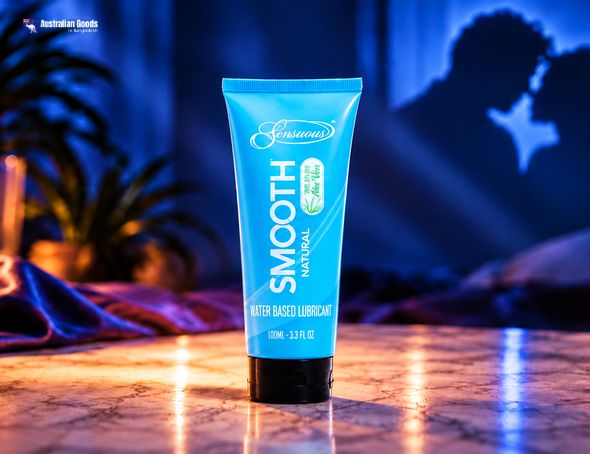
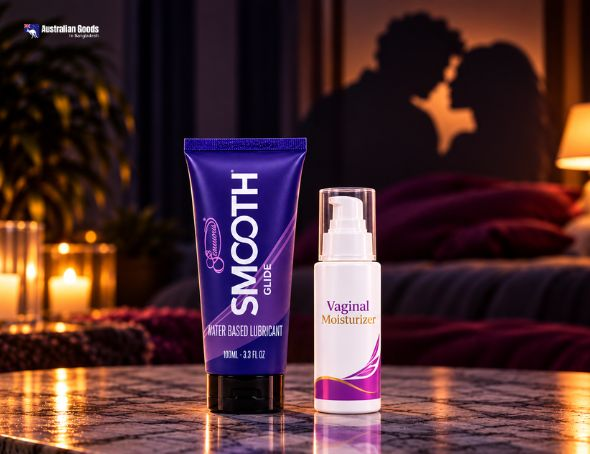
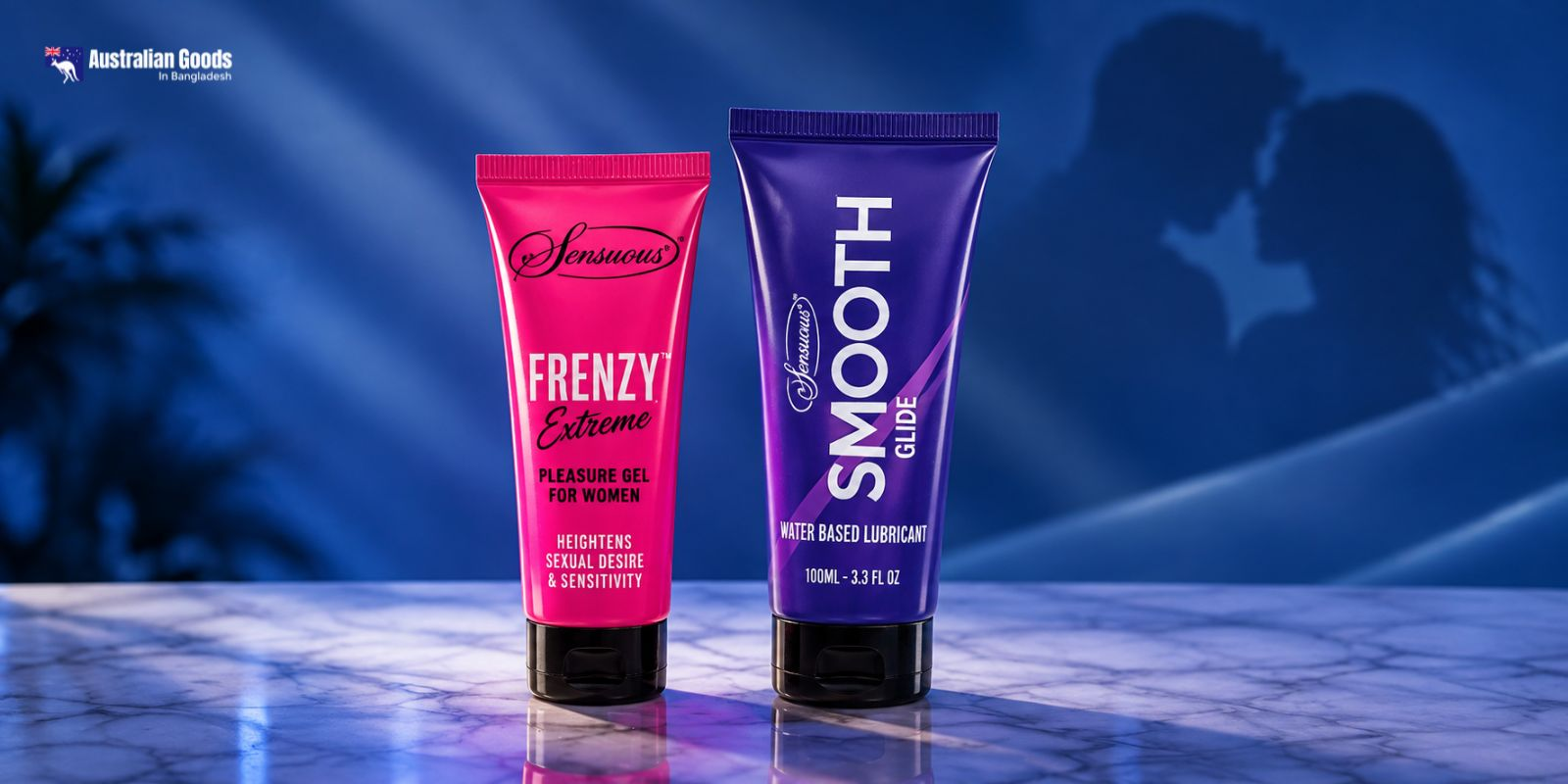
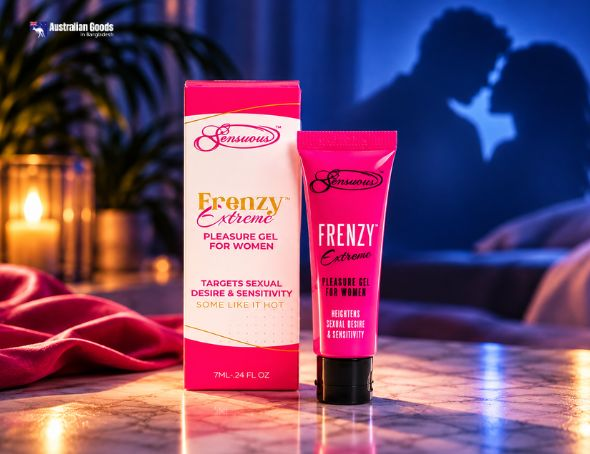
Sensuous identifies Smooth Glide as a water-based personal lubricant. In contrast, the Frenzy manufacturer describes a topical pleasure gel, gives external application directions and says it is not a lubricant. That is a concrete reason not to interchange them. [2] [3]
Frenzy's manufacturer also gives pregnancy and trying-to-conceive restrictions. The local product below should therefore be inspected for its full precautions rather than treated as a general comfort product. A retail listing is not a personalised recommendation.
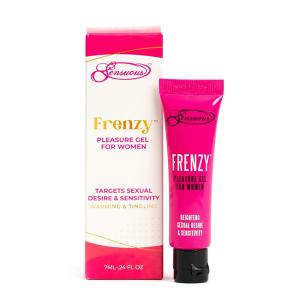
Frenzy™ Pleasure Gel for Women – Gentle Warming Formula 7ml
Frenzy™ Pleasure Gel for Women is an Australian-made intimate pleasure gel designed to enhance clitoral sensitivity and support sexual arousal. Its gentle-warming formula features...
Sensation is not the same as evidence of benefit
Feeling warmth can show that a formula produces a sensory effect; it does not prove improved desire, relationship satisfaction or a clinical treatment effect. A stronger version may simply create a more intense experience, including one a person does not enjoy.
Before comparing reviews, decide what outcome you care about. A comment that a gel tingles does not answer whether it reduces friction. The dedicated female-arousal-gel guide below explains the difference between manufacturer positioning and a supported health conclusion.
Combining products requires another compatibility check
Do not assume that two separately acceptable products are tested when layered together. Read both labels, including application area, pregnancy restrictions and condom compatibility. Start with one product at a time when trying a new formula, so an unwanted reaction is easier to identify.
For friction with a latex condom, use an appropriately labelled water- or silicone-based lubricant rather than an oil. A sensation gel's compatibility needs its own confirmation. [4]
When to stop experimenting with gels
Stop using a product that causes burning, rash or pain. Persistent dryness or pain, unusual discharge and bleeding need appropriate medical advice rather than a more intense warming formula. [5]
For a purchase in Bangladesh, identify the category on the full label, not just the advertising headline. Compare only products that address the same intended use. There is no need to purchase a pleasure gel merely because you are buying a lubricant, or vice versa.