Do Women’s Libido Supplements Work? Evidence & Safety
Women's libido supplements make broad promises, but studies often involve small, specific groups. Learn how to interpret that evidence, distinguish desire from dryness or local sensation, and decide what information to discuss with a clinician before spending money.
Quick Answer
There is no reliable reason to expect every women's libido supplement to work, or to promise a standard time to results. Some ingredients have preliminary research in selected groups, but that does not establish the same benefit for every woman or retail blend. Consider medicines, stress, pain and life-stage changes, and seek advice when a change in desire is troubling you.
Key Takeaways
- A trial in women with antidepressant-associated sexual difficulties cannot establish effectiveness for every cause of low desire.
- Study duration is not a guaranteed customer response timetable.
- Dryness, pain, local sensation and desire are distinct questions.
- Do not stop prescribed medicines or add several supplements without checking suitability and interactions.
Define the concern before choosing a supplement
There is no single correct amount of sexual desire that everyone should experience. A change becomes a reason to seek help when it causes concern or affects wellbeing, not simply because it differs from a partner's preference. Stress, relationship issues, medicines and hormonal or health changes can all be relevant. [1]
Be specific about what has changed. Reduced interest, pain, difficulty becoming aroused and vaginal dryness can overlap, but they are not interchangeable. A supplement marketed for energy or hormone balance should not be assumed to address all of them.
What a small maca study can tell us
A placebo-controlled study published in 2015 investigated maca in 45 women with sexual dysfunction associated with SSRI or SNRI antidepressants and remitted depression. The study lasted 12 weeks and reported preliminary signals of benefit in selected outcomes. Its size and specialised population limit how broadly those findings can be applied. [2]
This is not proof for all women with low desire, nor for every maca extract or multi-ingredient retail formula. It also does not justify changing an antidepressant or copying the research dose into a self-treatment plan. An ingredient name alone does not establish equivalence to the preparation used in a trial.
Read a claim in four steps
- Population: Were participants similar to the people the product is being advertised to?
- Formula: Was the finished product tested, or only a different preparation of one ingredient?
- Outcome: Did the study measure desire, comfort, arousal or something else?
- Comparison: Was there a placebo or other appropriate control, and were unwanted effects recorded?
A statement such as clinically studied ingredient answers only part of this checklist. A testimonial cannot establish how the same person would have felt without the product. These questions help you judge the claim without needing to treat every promising result as a purchase recommendation.
Why there is no dependable results timetable
A 12-week study describes its observation period. It does not show that a shop product will work within 12 weeks, that earlier changes are caused by it, or that everyone should continue taking it until then. Formulation, baseline concerns and other treatments differ.
Before starting anything, discuss what outcome would count as useful, what unwanted effects to watch for and when to reassess. Do not repeatedly add products because an advertised two-week or one-month milestone has passed. A well-defined review plan is more useful than escalating an unproven combination.
Safety is a separate evidence question
Some sexual-enhancement supplements have been found to contain undeclared drug ingredients. That is a category-level reason to be cautious with rapid drug-like promises; it is not an allegation about every supplement or any particular product in this catalogue. [3]
Tell a pharmacist or clinician about medicines and supplements already being taken. For ingredients such as Asian ginseng, evidence and precautions differ by use; pregnancy, breastfeeding and potential interactions need individual attention. Natural origin is not a safety clearance. [4]
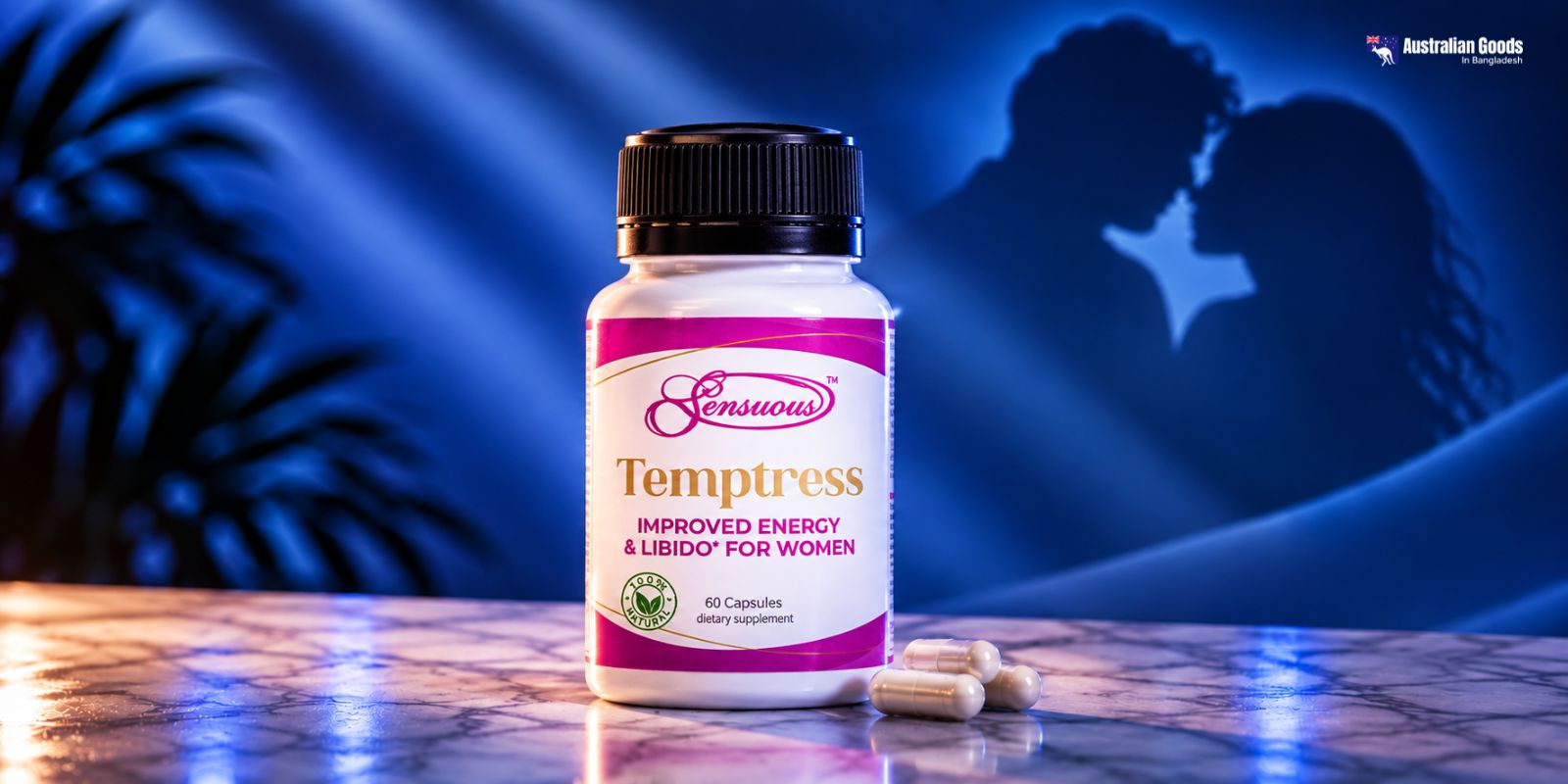
This guide does not nominate a women's libido product from the catalogue merely to fill a recommendation slot. Without a suitable, substantiated match, an educational next step is preferable to a sales card.
When dryness or sensation is the actual question
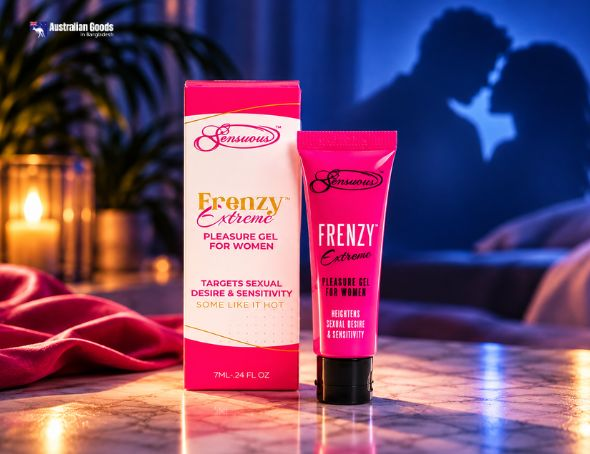
For friction or persistent dryness, use the dedicated lubricant and moisturiser guides rather than assuming a libido capsule is the right category. A topical pleasure gel is another separate product type. The guide below explains why a local warming sensation should not be presented as a cure for low desire.
Prepare for a useful consultation
Note when the change began, whether it coincided with a medicine or life-stage change, and whether pain or dryness is involved. Bring the full proposed supplement label, not just the brand name. Do not stop prescribed treatment without discussing it with the prescriber.
For a Bangladesh purchase, ask for the exact ingredient panel and responsible supplier details before paying. A reasonable outcome of checking the evidence is deciding not to buy a supplement until the cause of the concern is clearer.