Liver Support Supplements: Lecithin, Greens, Milk Thistle & “Detox” Claims Explained
Learn what milk thistle, lecithin and greens products can realistically claim, why detox marketing is misleading, and when liver symptoms need medical care.
“Liver detox” is a powerful marketing phrase, but it is not a medical diagnosis or a defined treatment. The liver already performs detoxification and metabolic functions. If someone has fatty liver, hepatitis, abnormal liver tests or symptoms of liver disease, the priority is diagnosis and evidence-based treatment—not a cleanse.
What is MASLD / fatty liver?
MASLD means metabolic dysfunction-associated steatotic liver disease. Older resources may use the terms NAFLD or NASH. Diagnosis, the degree of liver injury and the person’s metabolic health guide treatment; a product described as “liver support” cannot determine any of these. The NIDDK resource cited here discusses diet, physical activity and gradual weight loss where appropriate. Treatment is individualized, and a supplement should not replace medical assessment or prescribed care.
Milk thistle
Milk thistle, Silybum marianum, is the most recognizable liver supplement. Its main studied constituents include silymarin.
NCCIH says:
- trials in liver disease have been conflicting or too limited
- high-quality evidence is insufficient for definite conclusions
- product quality varies
Lecithin
Lecithin is a mixture of phospholipids found naturally in foods and used in supplements. It should not be promoted as proven treatment for fatty liver simply because phospholipids are involved in cell membranes.
Greens powders
Greens products may provide concentrated plant ingredients. They are not “liver cleanses”.
Check:
- vitamin/mineral duplication
- herbal ingredients
- contaminants/quality
- medicine interactions
“Detox” claims
Be cautious with:
- “flushes toxins”
- “repairs liver in 7 days”
- “reverses fatty liver”
- “cleanses alcohol damage”
- “replaces medication”
These claims are not appropriate.
Supplements can injure the liver
NIDDK specifically warns that some herbal remedies can damage the liver. A product marketed for “liver detox” may itself cause liver injury.
Symptoms that need medical review
Seek medical advice for:
- jaundice
- dark urine
- pale stools
- abdominal swelling
- severe right-upper-abdominal pain
- unexplained itching
- persistent nausea
- abnormal liver tests
Alcohol
No supplement neutralizes the effects of excessive alcohol. Reducing alcohol exposure matters more than “detox” products.
How to compare liver-support products
Check:
- actual ingredient
- evidence
- daily serving
- medicine interactions
- liver-injury warnings
- authenticity
How to compare a liver-support label
Check whether the product contains:
- milk thistle/silymarin
- lecithin
- artichoke
- turmeric
- greens blends
- multiple herbs
Then ask:
- is the amount stated?
- is the extract standardized?
- are medicine interactions listed?
- does the product make disease-treatment claims?
Why liver tests matter
Abnormal liver enzymes can have many causes.
A supplement cannot identify whether the cause is:
- fatty liver disease
- viral hepatitis
- alcohol
- medicines
- another condition
Do not use a “detox” product to delay diagnosis.
Supplement-induced liver injury
Some herbal and concentrated supplement products can themselves cause liver injury.
Stop a suspect product and seek medical advice for:
- jaundice
- dark urine
- severe fatigue
- nausea
- abdominal pain
Bangladesh buying checklist
Avoid products with:
- unclear ingredient amounts
- no traceable manufacturer
- exaggerated “liver cleanse” claims
- no batch/expiry
- anonymous seller channels
Milk thistle, lecithin and greens are different labels
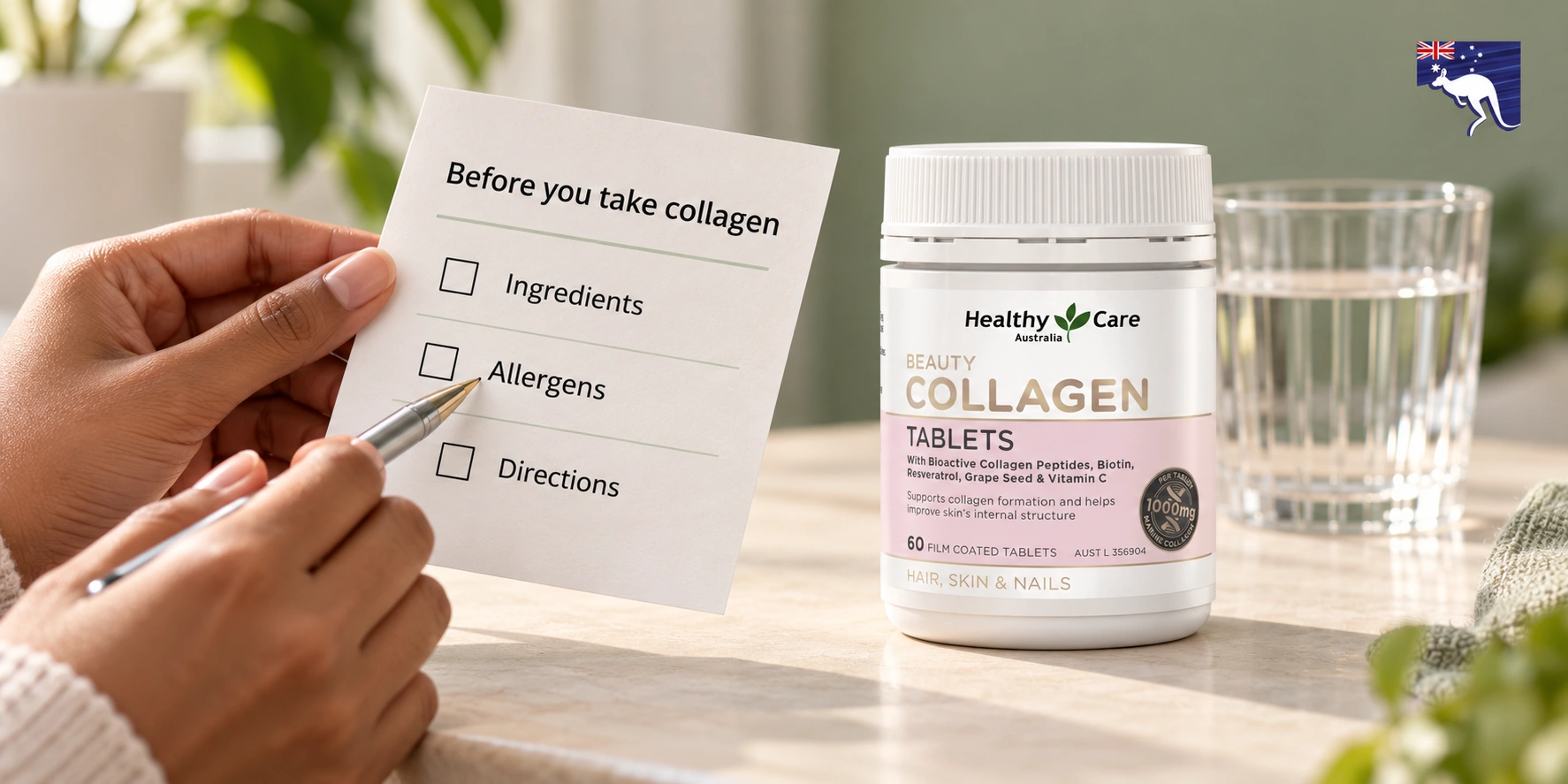
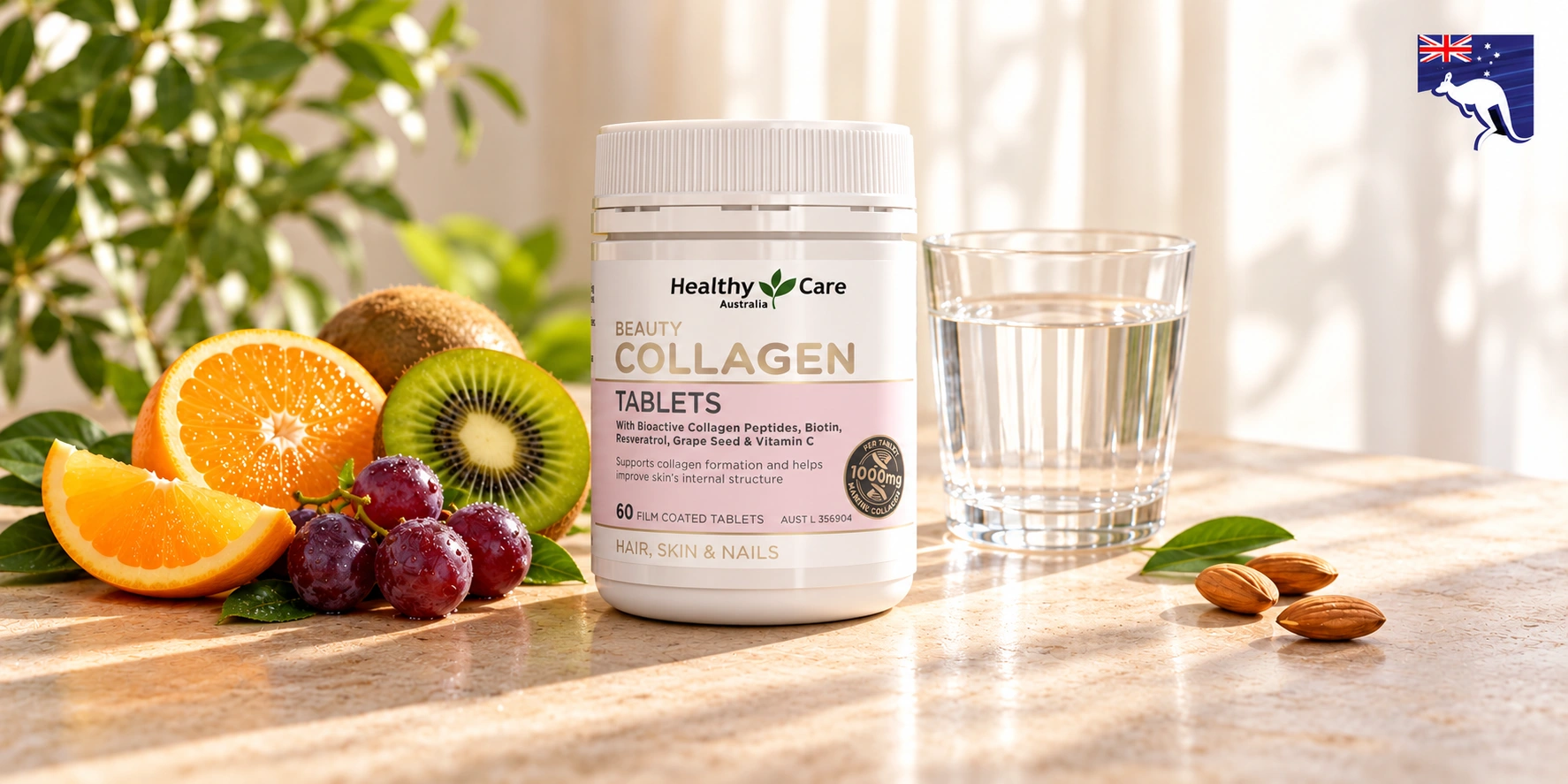
The catalogue includes Swisse High Strength Milk Thistle, Swisse Lecithin and Healthy Care Super Greens. The first is a botanical-extract category, the second a phospholipid ingredient, and the third a mixed plant product. Do not read any of those names as proof of liver-disease treatment. Compare each current ingredient panel, serving, allergy and medicine warning. Evidence for milk thistle cannot establish efficacy for lecithin or a greens blend, and the word “detox” is not a clinical outcome.
Product labels to compare
The following catalogue pages are label-checking references, not a personalized recommendation or proof of treatment benefit. Verify the current pack, directions and warnings before choosing.
Frequently asked questions
Does milk thistle detox the liver?
Evidence is not strong enough to make that claim.
Can supplements reverse fatty liver?
Do not rely on supplements. Lifestyle and medical management are central.
Are greens powders good for liver health?
They can add plant-derived ingredients but are not proven detox treatments.
Bottom line
Treat liver-support supplements with more caution than their marketing suggests.
A healthy liver strategy is built around:
- diagnosis
- weight management when appropriate
- diet
- physical activity
- alcohol reduction
- medication review
- evidence-based medical care
Related reading
Sources and label references
Manufacturer sources describe product ingredients and directions; they are not independent proof of clinical benefit. Formula details can change, so compare the current physical pack.
This guide provides general information, not a diagnosis or an individual treatment plan. Discuss pregnancy, children’s health, persistent symptoms, medicine interactions and supplement choices with an appropriately qualified healthcare professional.