A Complete Guide to Good Nutrition for Kids
Good nutrition for kids supports healthy growth, energy, immunity, learning, digestion, and daily wellness. This guide explains balanced meals, essential nutrients, best foods for growing children, picky eater tips, common parent mistakes, Bangladesh-friendly meal ideas, and safe supplement guidance to help parents build better eating habits for children.
Good nutrition for kids means giving children balanced meals with protein, healthy fats, carbohydrates, vitamins, minerals, fiber, and enough water to support healthy growth, energy, immunity, digestion, learning, and overall wellbeing. In Bangladesh, many children eat enough food but still miss important nutrients because of processed snacks, sugary drinks, low vegetable intake, skipped breakfast, and limited meal variety. This guide explains how parents can build better food habits for children in a simple, practical, and safe way.

Why Good Nutrition Matters for Kids
Children need good nutrition because their bodies and brains are still growing. A balanced diet supports bones, muscles, brain development, immunity, digestion, school energy, concentration, mood, and healthy daily routines.
A child may feel full after eating, but that does not always mean the meal was nutritious. Rice, noodles, biscuits, chips, and sugary drinks can provide calories, but they may not provide enough protein, fiber, vitamins, minerals, and healthy fats.
How nutrition supports healthy growth
- Protein helps support growth and muscle development.
- Calcium and Vitamin D support bones and teeth.
- Iron supports oxygen transport and daily energy.
- Healthy fats support brain and nerve development.
- Fruits and vegetables provide vitamins, minerals, and fiber.
How nutrition affects learning and concentration
Children who skip breakfast or depend mostly on packaged snacks may feel tired, distracted, or hungry during school hours. Balanced meals with protein, fiber, and healthy carbohydrates can help support steadier energy and better focus.
Bangladesh-focused nutrition challenges
- Skipping breakfast before school
- Too many chips, biscuits, cakes, and instant noodles
- Low fruit and vegetable intake
- Soft drinks and packaged juices replacing water
- Too much screen-time eating
- Limited meal variety due to picky eating
Essential Nutrients Every Child Needs
Protein for Growth and Muscle Support
Protein helps support growth, muscles, tissue repair, and daily strength. Children should get protein regularly from familiar foods.
Food examples: Eggs, fish, chicken, lentils, beans, milk, yogurt, and meat.
Calcium for Bones and Teeth
Calcium helps support healthy bones and teeth during growing years. Children who avoid dairy may need other calcium-rich foods in their routine.
Food examples: Milk, yogurt, cheese, small fish, leafy greens, and fortified foods when available.
Iron for Energy and Oxygen Transport
Iron helps carry oxygen in the body. Low iron intake may affect energy, attention, and overall wellness.
Food examples: Lentils, spinach, eggs, fish, meat, and beans.
Healthy Fats for Brain Development
Healthy fats support brain development, nerve function, and overall growth. Fish and certain seeds can be helpful in a balanced child diet.
Food examples: Fish, nuts, seeds, avocado, and healthy oils used in moderation.
Vitamins and Minerals for Daily Wellness
Vitamins and minerals support immunity, growth, bones, muscles, energy, and overall body function.
Key nutrients: Vitamin C, Vitamin D, zinc, magnesium, calcium, iron, and potassium.
Fiber and Hydration for Digestion
Fiber helps support digestion and bowel regularity. Water supports hydration, concentration, and daily activity.
Food examples: Fruits, vegetables, oats, lentils, beans, whole grains, water, and coconut water.
What Should a Balanced Meal for Kids Look Like?
A balanced meal does not need to be complicated. Parents can use a simple plate formula: protein, vegetables, healthy carbohydrates, healthy fats, fruit, and water.
| Meal Part | Examples | Why It Helps |
|---|---|---|
| Protein | Eggs, fish, chicken, dal, beans | Growth and muscle support |
| Vegetables | Spinach, carrots, pumpkin, mixed vegetables | Vitamins, minerals, and fiber |
| Healthy Carbohydrates | Rice, roti, oats, potatoes, khichuri | Energy for school and play |
| Healthy Fats | Fish, seeds, nuts, avocado | Brain and growth support |
| Hydration | Water, milk, coconut water | Fluid balance and daily energy |
Bangladesh-friendly meal examples
- Breakfast: Egg + roti + banana
- Breakfast: Oats + milk + fruit
- Lunch: Rice + fish + vegetables + dal
- Lunch: Khichuri + egg + vegetables
- Snack: Yogurt, fruit, nuts powder, or homemade smoothie
- Dinner: Rice or roti + protein + vegetables
Best Foods for Growing Kids
1) Eggs

Eggs provide protein, healthy fats, choline, selenium, and important nutrients that support growth, energy, and daily nutrition. They are affordable, easy to prepare, and suitable for many Bangladeshi family routines.
Easy ways to include:
- Boiled egg with breakfast
- Vegetable omelet with roti
- Egg curry with rice and vegetables
2) Fish
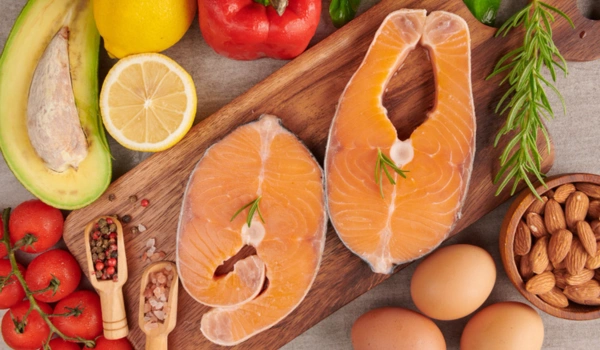
Fish provides protein, healthy fats, iodine, selenium, and other nutrients that support children’s growth and balanced meals. Oily fish may also support omega-3 intake, while local fish can fit naturally into Bangladeshi lunch and dinner routines.
Easy ways to include:
- Fish curry with rice, dal, and vegetables
- Soft fish pieces mixed into khichuri
- Lightly grilled fish with lemon and salad
3) Dairy Foods

Milk, yogurt, and cheese provide calcium, protein, potassium, and phosphorus that support healthy bones and teeth. Plain yogurt can also fit well into gut-friendly eating habits for children.
Easy ways to include:
- Milk with breakfast
- Plain yogurt with banana or fruit
- Homemade smoothie with milk or yogurt
4) Fruits
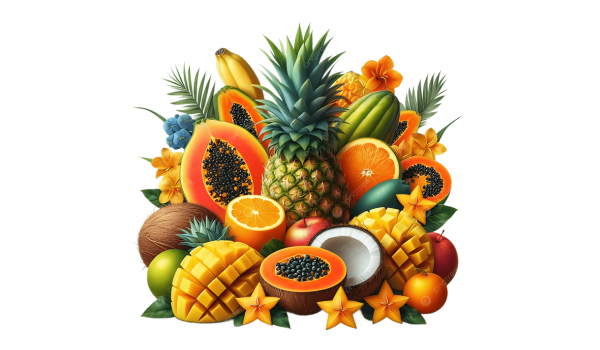
Fruits such as banana, guava, papaya, orange, mango, and berries provide vitamins, minerals, fiber, natural sweetness, and hydration support. Whole fruits are usually better than packaged fruit juices because they provide more fiber.
Easy ways to include:
- Banana or guava as a school snack
- Small mixed fruit bowl after meals
- Fruit with yogurt instead of packaged sweets
5) Vegetables
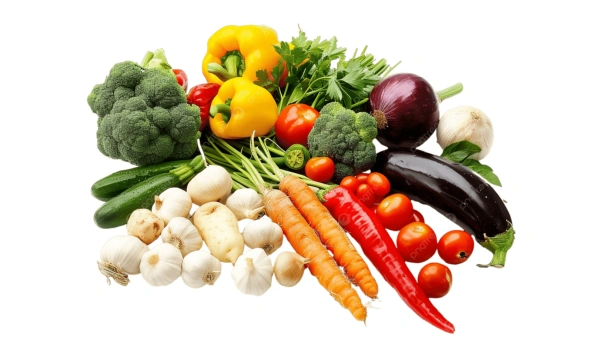
Leafy greens, carrots, pumpkin, tomato, cucumber, and mixed vegetables provide vitamins, minerals, fiber, and plant nutrients. Vegetables help improve food variety and support digestion-focused healthy eating habits.
Easy ways to include:
- Mix vegetables into dal or khichuri
- Add spinach or tomato to omelet
- Serve cucumber, carrot, or tomato with lunch
6) Nuts and Seeds
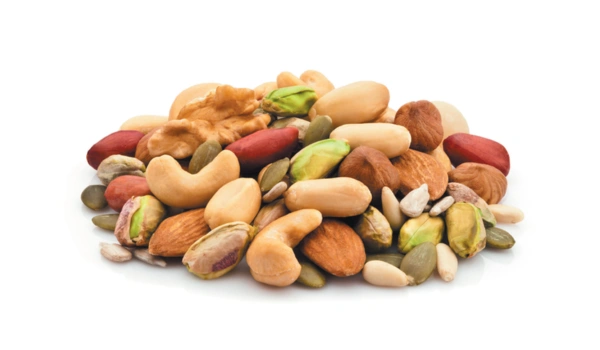
Nuts and seeds provide healthy fats, minerals, and energy. They can support balanced nutrition when used in safe, age-appropriate forms.
Easy ways to include:
- Add nut or seed powder to oats
- Mix chia seeds into yogurt
- Use nut butter on toast for older children when suitable
7) Oats and Whole Grains
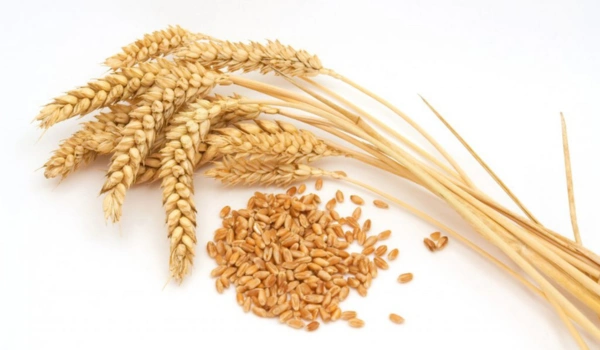
Oats, whole wheat roti, brown rice, and other whole grains provide energy, fiber, and minerals. They can help support more steady energy than sugary breakfast foods.
Easy ways to include:
- Oats with milk, banana, and chia seeds
- Whole wheat roti with egg or vegetables
- Brown rice sometimes with fish or dal
8) Lentils and Beans
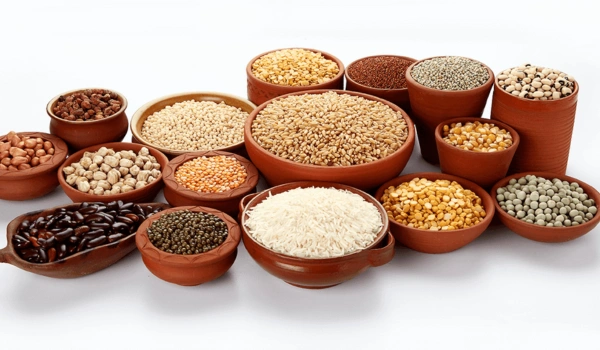
Dal, chickpeas, kidney beans, and lentils provide plant protein, fiber, iron, magnesium, and potassium. They are affordable, familiar, and easy to use in Bangladeshi meals.
Easy ways to include:
- Dal with rice and vegetables
- Chickpea salad with cucumber and lemon
- Vegetable khichuri with lentils and egg
How to Build Healthy Eating Habits in Kids
Healthy eating habits are built slowly. Parents do not need to make everything perfect in one day. Start with small changes that the child can accept.
- Step 1: Create regular meal times.
- Step 2: Reduce processed snacks gradually.
- Step 3: Include fruits and vegetables daily.
- Step 4: Encourage water over sugary drinks.
- Step 5: Make meals colorful and simple.
- Step 6: Be a role model as parents.
Nutrition Challenges for Picky Eaters
Picky eating is common. Some children reject foods because of texture, smell, color, repetition fatigue, or too many snacks between meals.
Practical tips for parents
- Offer small portions first.
- Repeat exposure without pressure.
- Mix vegetables into familiar foods like dal, khichuri, omelet, or soup.
- Use fruit bowls instead of packaged sweets.
- Keep snacks controlled so children feel hungry at meal times.
Healthy alternatives to junk foods
- Homemade smoothies
- Fruit yogurt bowls
- Homemade sandwiches
- Egg roll with vegetables
- Nut or seed powder mixed into oats or yogurt
Do Kids Need Supplements?
Food should always be the foundation of children’s nutrition. Supplements may support some children when diets are inconsistent, appetite is low, food variety is limited, or a healthcare professional recommends additional support.
When supplements may help
- Picky eating
- Low appetite
- Restricted diets
- Poor food variety
- Busy school routines
- Low intake of fish, dairy, fruit, or vegetables
Suggested Kids Nutrition Support Supplements in Bangladesh
Food should always come first because real meals provide protein, healthy fats, fiber, vitamins, minerals, antioxidants, and many nutrients together naturally. However, children’s eating routines are not always perfect. Picky eating, school pressure, low appetite, processed snacks, low fish intake, poor fruit and vegetable variety, and irregular meals may sometimes reduce nutrition consistency.
Supplements are not replacements for balanced meals, but they can help support nutritional consistency when a child’s food intake is limited or irregular. The goal is not to replace food, it is to support practical nutrition gaps while parents continue improving daily meals.
1) Swisse Kids Immune Gummies – Kid-Friendly Immune Support
Why supplements may help: Children need regular intake of immune-supporting nutrients, but many kids do not consistently eat enough fruits, vegetables, zinc-rich foods, or varied homemade meals. School routines, picky eating, and seasonal changes can make daily nutrition harder to maintain.
What it does: Swisse Kids Immune Gummies are designed to support children’s immune health in an easy, kid-friendly gummy format as part of a balanced wellness routine.
- Best for: School-going children, picky eaters, seasonal wellness routines, and kids who prefer gummies.
- Food-first reminder: Continue offering fruits, vegetables, eggs, fish, dal, yogurt, and enough water daily.
- Common mistake: Treating gummies like candy instead of a supplement. Keep out of children’s reach.
Kids need consistency. A simple gummy routine can support daily wellness alongside real food, sleep, hydration, and active play.

2) Little Swisse Vitamin C + Zinc Gummies – Vitamin C & Zinc Support
Why supplements may help: Vitamin C and zinc are commonly linked with immune-support nutrition, but some children eat very little fruit, vegetables, seeds, seafood, or protein-rich foods. A kid-friendly supplement can help support consistency when food variety is low.
What it does: Little Swisse Vitamin C + Zinc Gummies provide convenient Vitamin C and Zinc nutrition support for children’s everyday immune health routine.
- Best for: Kids with low fruit variety, picky eating habits, or parents wanting Vitamin C + Zinc support.
- Food-first reminder: Continue giving whole fruits like guava, orange, papaya, banana, and vegetables with meals.
- Common mistake: Replacing real fruits with gummies instead of using them as extra support.
Vitamin C and Zinc support works best with real food. Keep fruits, vegetables, water, and sleep in the routine.

3) Nutra Life Probiotica Kids Daily – Gut Health & Digestive Support
Why supplements may help: Gut health depends heavily on consistent food habits, but many children eat low-fiber meals, avoid yogurt, drink less water, or rely too much on processed snacks. Probiotic support may help fit into a gut-health-focused routine when used properly.
What it does: Nutra Life Probiotica Kids Daily is designed to support children’s gut health and digestive balance as part of an everyday wellness routine.
- Best for: Kids with low yogurt intake, low fiber variety, or parents wanting gut-health support.
- Food-first reminder: Add yogurt, fruits, vegetables, oats, dal, enough water, and regular meals.
- Common mistake: Expecting probiotics to work well without fiber-rich foods, hydration, and regular eating habits.
Gut health supports overall wellness. Probiotics work best with yogurt, fruits, vegetables, fiber, water, and regular meals.

4) Healthy Care Kids High Strength DHA – Omega-3 Support for Growing Kids
Why supplements may help: Fish and healthy fats are important for growing children, but some kids dislike fish or do not eat it regularly. DHA support may help children with low fish intake maintain a more consistent omega-3 nutrition routine.
What it does: Healthy Care Kids High Strength DHA provides omega-3 DHA nutrition support for children’s growing years, learning routines, and active lifestyles.
- Best for: Growing children, school routines, and kids with low fish intake.
- Food-first reminder: Continue offering fish, eggs, balanced protein, vegetables, fruits, and healthy fats.
- Common mistake: Thinking DHA replaces fish, protein, vegetables, sleep, or active play.
Growing kids need steady nutrition. DHA support works best with fish, protein, vegetables, sleep, and learning-friendly routines.

Common Myths About Kids Nutrition
| Myth | Fact |
|---|---|
| Healthy food is always expensive | Eggs, dal, banana, yogurt, vegetables, and local fish can be affordable nutrition options. |
| Kids should finish everything on the plate | Appetite changes. Small portions and gentle repetition are often better. |
| Fruit juice equals fruit | Whole fruit usually provides more fiber and better fullness. |
| Supplements can replace meals | Food should remain the foundation of children’s nutrition. |
| Healthy eating means boring food | Nutritious meals can be colorful, tasty, and child-friendly. |
Final Thoughts
Good nutrition for kids does not require perfection. It requires consistency. A child’s daily meals should include protein, fruits, vegetables, healthy carbohydrates, healthy fats, fiber, and enough water.
Parents should focus on realistic changes: better breakfast, fewer processed snacks, more water, more fruits and vegetables, and balanced homemade meals. Over time, these small habits can support healthy growth, immunity, energy, learning, digestion, and overall wellbeing.
Frequently Asked Questions (FAQs)
1. What is the best diet for kids?
The best diet for kids includes protein, fruits, vegetables, whole grains, healthy fats, dairy or calcium-rich foods, and enough water.
2. What foods help children grow properly?
Eggs, fish, milk, yogurt, dal, beans, fruits, vegetables, oats, and whole grains can support healthy growth and daily nutrition.
3. How much protein do kids need?
Protein needs vary by age, size, and activity level. Parents should include protein foods such as eggs, fish, chicken, dal, beans, or dairy in regular meals.
4. Are eggs healthy for children?
Eggs are a practical source of protein and nutrients for many children, unless the child has an allergy or specific medical restriction.
5. What are healthy snacks for kids?
Fruit, yogurt, boiled eggs, homemade sandwiches, nuts or seed powder, oats, and smoothies can be better snack options than packaged snacks.
6. Do kids need multivitamins?
Not always. Multivitamins may support children with low food variety or poor appetite, but they should not replace balanced meals.
7. What drinks are healthiest for children?
Water is the best daily drink. Milk and homemade smoothies can also be useful depending on age and diet. Sugary drinks should be limited.
References & Scientific Sources
This article is written for educational and general informational purposes using established child nutrition guidance and food-first wellness principles.
Medical Disclaimer
This article is for educational and general informational purposes only. It does not diagnose, treat, cure, or prevent disease and should not replace professional medical advice. Children’s nutrition needs vary by age, growth, appetite, health status, and activity level. If your child has poor growth, food allergies, persistent illness, chronic health conditions, severe picky eating, or suspected nutrient deficiencies, consult a qualified pediatrician or healthcare professional before making major dietary or supplement changes.