Can Spirulina Replace Vitamin B12? What Vegetarians Should Know
Spirulina and vitamin B12 are often discussed together, but they serve different purposes. Learn why spirulina should not be counted as a dependable B12 source and how to build a practical plan using fortified foods or suitable B12 supplements.
Quick Answer
No. Spirulina should not replace vitamin B12. Much of its B12-like content consists of inactive analogues that do not provide a dependable human B12 source. Vegetarians with low intake, and people eating a vegan diet, need reliable B12 from suitable fortified foods or supplements. A spirulina product containing separately added B12 should be assessed using the amount and form of that added vitamin.
Key Takeaways
- Do not count spirulina as your B12 source, even if it is described as nutrient rich.
- A separate added B12 ingredient must be evaluated by its stated amount and directions.
- Vegetarian intake depends on actual egg and dairy consumption; vegan diets need a reliable B12 plan.
- Symptoms of possible deficiency need assessment rather than a trial of spirulina.
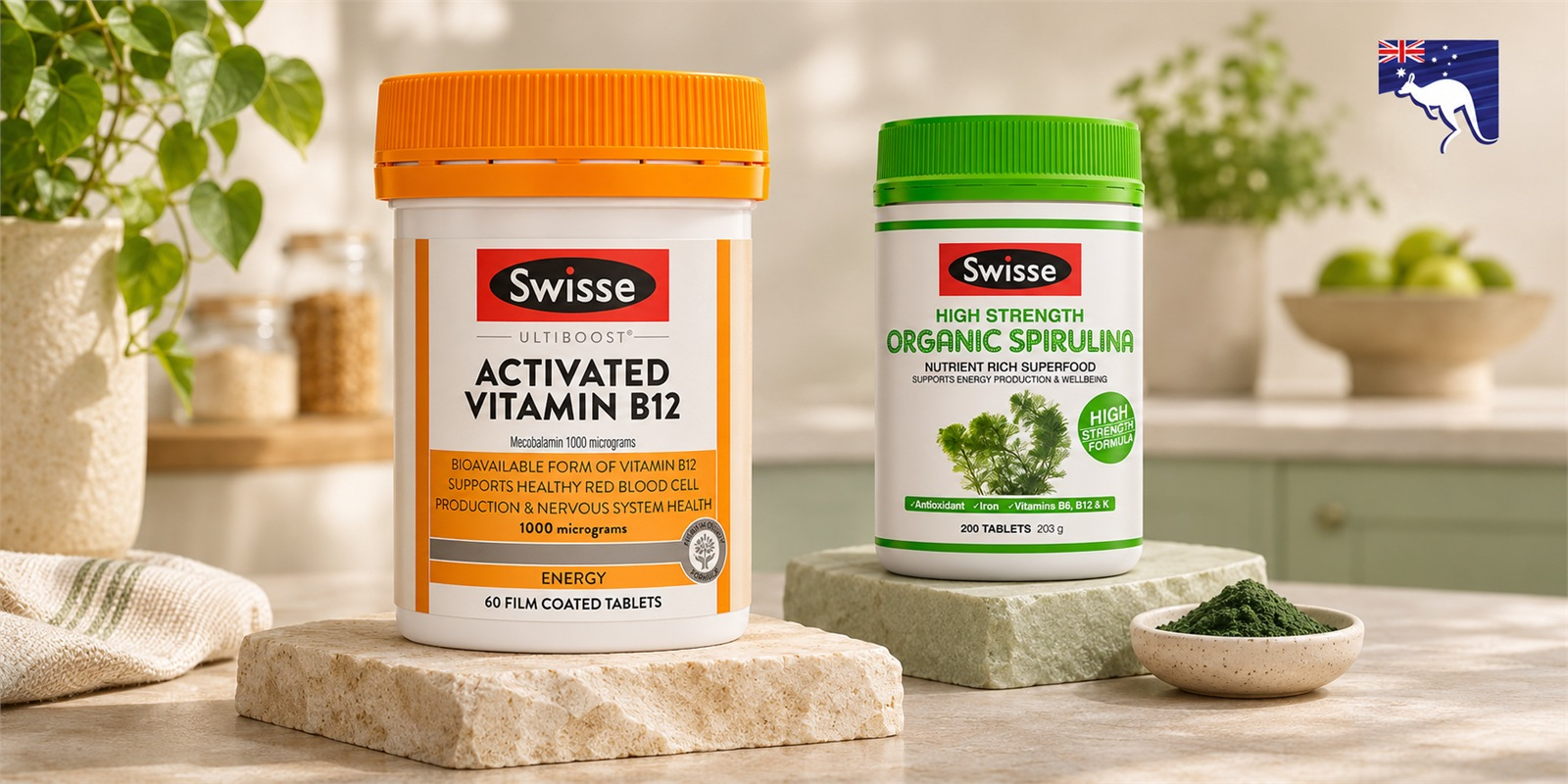
If you have replaced meat with dal, vegetables and other plant foods, spirulina may seem like a convenient way to cover any missing nutrients. The B12 claim is where you need to pause. A green powder can contain many compounds without providing the particular vitamin your body needs.
Spirulina cannot be relied on to replace vitamin B12. Keep those two decisions separate: whether you want spirulina, and how you will obtain dependable B12.
Why spirulina’s “B12” is not a dependable B12 source
Some B12-like compounds in spirulina are inactive analogues. Their presence can make a simple “contains B12” description sound more useful than it is for human nutrition. What matters is usable vitamin B12, not just a laboratory measurement of related compounds.
The French food-safety agency ANSES explicitly advises that spirulina is not a reliable B12 source for vegans. This is a practical reason to avoid counting a spirulina serving toward your B12 plan. It is not a reason to assume that all nutrients in spirulina are worthless.
Compare the purpose: spirulina, fortified foods or B12 tablets
| What you are choosing | Question to ask |
|---|---|
| A spirulina powder or tablet | Why do I want it, what evidence supports that purpose, and is the product suitable for me? |
| A B12-fortified food | How much B12 does my actual serving provide, and will I consume it regularly? |
| A B12 supplement | Does the form, amount and schedule match my dietary or treatment needs? |
Keeping these questions separate prevents a common shopping mistake: buying a product for its broad “superfood” reputation and assuming it covers a specific nutritional gap. If B12 is the reason for the purchase, choose something with a dependable B12 purpose and clear directions.
For the supplement option, a dedicated B12 label makes the form and serving easier to identify. This Healthy Care example and the sidebar alternatives let you compare those details and dietary suitability with professional advice. Choose an appropriate option rather than combining all three.
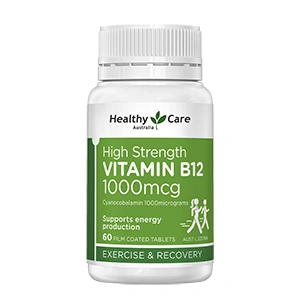
Healthy Care High Strength Vitamin B12 1000mcg
Healthy Care High Strength Vitamin B12 1000mcg in Bangladesh. Compare pack prices, cyanocobalamin formula, directions and label cautions.
Added B12 belongs on a separate line of the label
Read the ingredient panel. If vitamin B12 has been added separately, assess that added ingredient by its stated form, quantity and daily serving. Its presence does not make the spirulina itself a reliable source. You still need to know whether the amount and schedule fit your needs.
For example, “spirulina 1,000 mg” tells you the weight of spirulina. It does not tell you the B12 dose. Look for a separate vitamin B12 amount in micrograms, and ask the seller or pharmacist to clarify any unclear label before buying.
Build a B12 routine around foods you actually use
If you eat eggs and dairy, review the amounts you regularly consume. Being vegetarian does not automatically mean you lack B12, but a splash of milk in tea and an occasional egg should not be treated as a complete nutrition assessment.
If you avoid all animal foods, look for appropriate B12-fortified foods or a suitable B12 supplement. The NHS vegan-diet guide lists fortified cereals, fortified soya drinks and fortified nutritional yeast as examples. Availability and formulations vary in Bangladesh, so check the actual pack.
- Write down your dependable B12 sources, excluding spirulina.
- Check the amount per serving on fortified products and how often you use them.
- If the plan is uncertain or difficult to maintain, ask a pharmacist or dietitian about an appropriate supplement.
- Revisit the plan when your diet changes, during pregnancy or breastfeeding, or after relevant medical advice.
Consistency matters more than an elaborate routine. A plan that depends on a product you cannot regularly obtain needs a practical backup. Keep the label or a photograph so you can compare replacements accurately.
To turn that plan into weekly meals, the Bangladesh B12 food guide looks at familiar sources, fortified-food labels and gaps that are easy to miss. Use it to check what your ordinary portions can actually contribute.
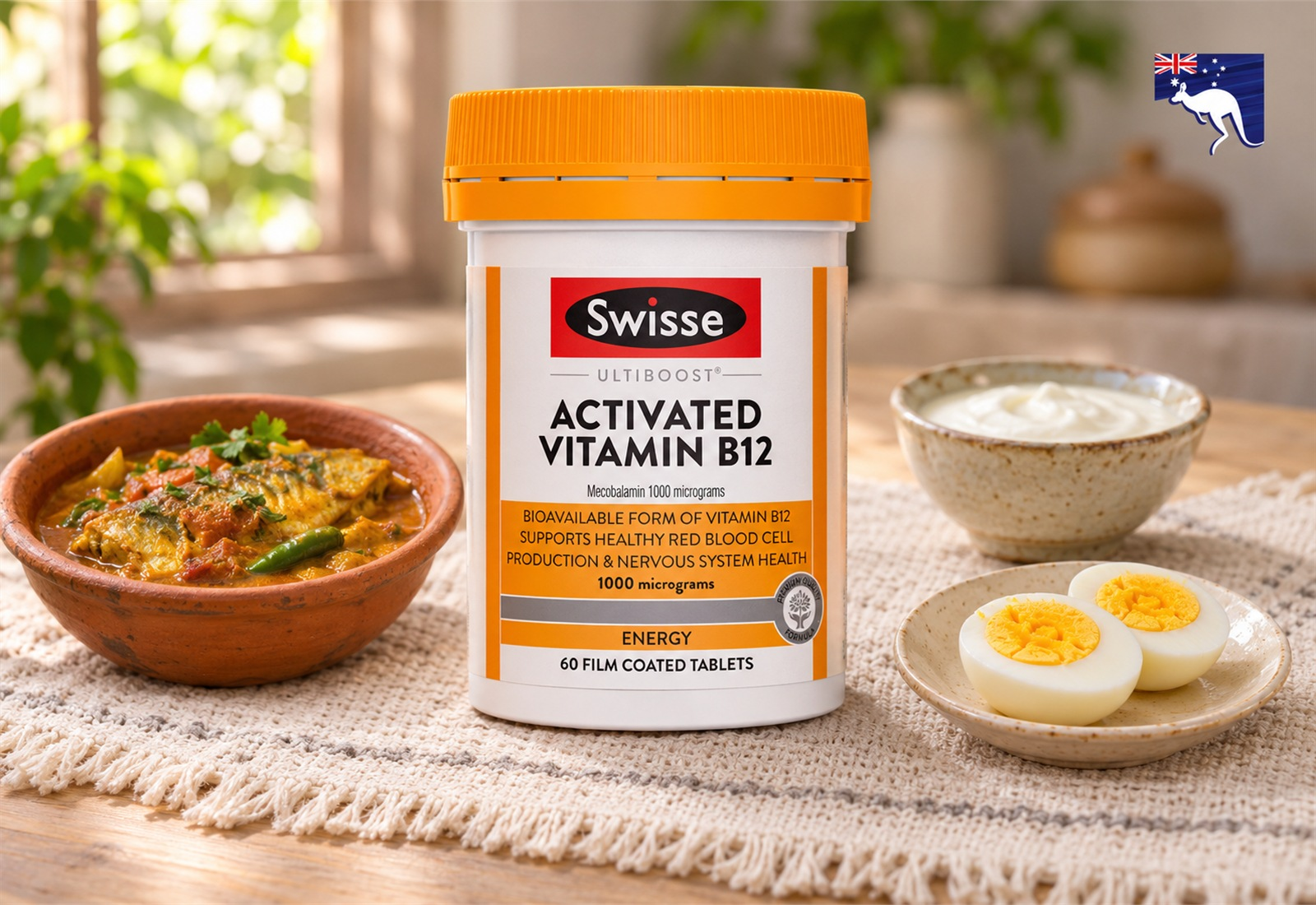
Symptoms after relying on spirulina: when to get checked
Unexplained tiredness, a sore tongue, numbness, pins and needles or balance changes should not be treated with a trial of spirulina. The NHS overview of B12 deficiency explains that symptoms can occur without anaemia and that timely treatment matters. New or worsening neurological symptoms need prompt advice.
If you have already been relying on spirulina, you do not need to assume damage has occurred. Tell a clinician how long you have used it, what else you eat and whether you have symptoms. They can decide whether testing and a revised B12 plan are needed.
Pregnant or breastfeeding readers, and parents planning a child's diet, should obtain individual guidance. Do not adapt an adult supplement dose for a baby or child. A clear B12 plan is a better investment than adding more products without knowing which gap each one addresses.