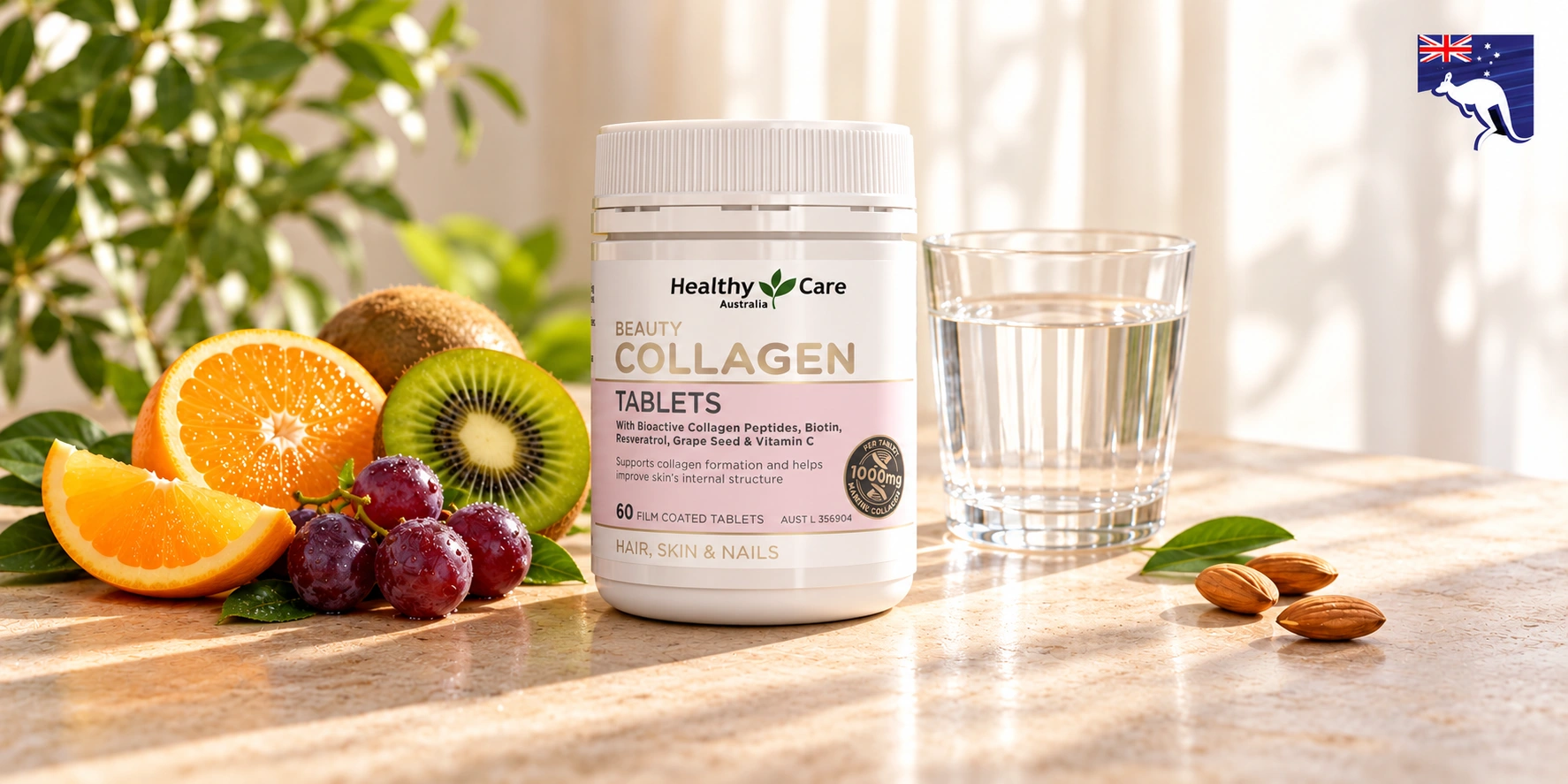
When Is the Best Time to Take Vitamins? Morning, Night, or After Meals
Wondering whether vitamins work better in the morning, at night, or after meals? This guide explains the best time to take fat-soluble and water-soluble vitamins, how food affects absorption, which supplements may need separate timing, common mistakes to avoid, and practical tips for building a safe, consistent vitamin routine.
Vitamins play an essential role in supporting overall health, but one of the most common questions people ask is: When is the best time to take vitamins? Should you take them in the morning, at night, before meals, or after eating? While there is no single answer for every vitamin, taking supplements at the right time can help improve absorption, reduce stomach discomfort, and make it easier to build a consistent daily routine.
Quick Navigation

What Is the Best Time to Take Vitamins?
The best time to take vitamins depends on the type of vitamin and your daily routine. Fat-soluble vitamins (A, D, E, and K) are generally absorbed better with meals containing healthy fats, while most water-soluble vitamins, such as vitamin C and B-complex vitamins, can usually be taken with or without food. The most important factor is taking them consistently according to the product label or your healthcare professional's advice.
Why Does Vitamin Timing Matter?
Vitamins support hundreds of essential processes in the body, including immune function, energy production, bone health, brain function, healthy vision, and normal growth. However, simply taking a supplement does not guarantee your body will absorb or use it efficiently. Factors such as the type of vitamin, whether you take it with food, your digestive health, and certain medicines can all influence absorption.
For example, fat-soluble vitamins require dietary fat for optimal absorption, while some minerals and medications may compete with each other when taken at the same time. In addition, taking certain supplements with meals may reduce stomach discomfort and make it easier to remember your daily routine.
That said, research consistently shows that consistency is generally more important than choosing the perfect hour of the day. A vitamin taken regularly according to the product label is usually more beneficial than one taken at an ideal time but frequently forgotten.
Expert Insight
There is no universal best time to take every vitamin. The ideal timing depends on the specific nutrient, your eating habits, your health conditions, and any medicines you take. Building a consistent routine and following the product label or your healthcare professional's advice is generally the most effective approach.
Morning vs Night: Which Is the Best Time to Take Vitamins?
One of the most common questions about supplements is whether vitamins should be taken in the morning or at night. The simple answer is that there is no single best time for every vitamin. The ideal timing depends on the type of vitamin, your eating habits, your daily routine, and any instructions provided on the product label or by your healthcare professional.
For most healthy adults, taking vitamins at a time you can remember consistently is generally more important than choosing a specific hour. However, some vitamins are better absorbed with meals, while others may be taken with or without food.
| Morning | Evening or Night |
|---|---|
| Easier to build into a breakfast routine. | Convenient for people who eat their largest meal at dinner. |
| Many people prefer taking B-complex vitamins earlier in the day. | Some people choose magnesium later in the day if advised by a healthcare professional. |
| Works well for multivitamins taken with breakfast. | Suitable if evening meals contain healthy fats for fat-soluble vitamins. |
| May reduce the chance of forgetting daily supplements. | Can fit better into some people's daily routine. |
Vitamins Best Taken With Food
Some vitamins are absorbed more efficiently when taken alongside a meal. Food can also help reduce stomach discomfort that some people experience after taking supplements on an empty stomach.
Meals containing healthy fats are particularly important for vitamins that dissolve in fat rather than water.
Fat-Soluble Vitamins (A, D, E and K)
Vitamins A, D, E, and K are known as fat-soluble vitamins because they are absorbed alongside dietary fat. Taking these vitamins with a balanced meal that contains healthy fats may improve absorption compared with taking them on an empty stomach.

Healthy foods that contain dietary fats include:
- Eggs
- Salmon and other oily fish
- Avocado
- Olive oil
- Nuts
- Seeds
- Natural peanut butter
- Yoghurt (where appropriate)
Why Are Multivitamins Usually Taken After Meals?
Many multivitamins contain a combination of vitamins and minerals, including fat-soluble vitamins, water-soluble vitamins, and minerals such as zinc or magnesium. Taking them with food often helps improve tolerability and supports the absorption of nutrients that require dietary fat.
Benefits of taking a multivitamin with food:
- May improve absorption of fat-soluble vitamins.
- May reduce nausea or stomach discomfort.
- Fits easily into a daily breakfast or lunch routine.
- Helps improve long-term consistency.
Quick Comparison: Which Vitamins Are Commonly Taken With Food?
| Vitamin | Common Recommendation |
|---|---|
| Vitamin A | Usually with a meal containing healthy fats. |
| Vitamin D | Usually with food. |
| Vitamin E | Usually with food. |
| Vitamin K | Usually with food. |
| Multivitamins | Often recommended after or during a meal. |
Key Takeaways So Far
- There is no universal best time to take every vitamin.
- Fat-soluble vitamins are generally better absorbed with meals containing healthy fats.
- Many multivitamins are easier to tolerate when taken with food.
- Following a consistent daily routine is often more important than choosing morning or night.
Vitamins That Can Often Be Taken Without Food
Unlike fat-soluble vitamins, many water-soluble vitamins dissolve in water and do not require dietary fat for absorption. This means they can generally be taken with or without food. However, some people may experience mild stomach discomfort when taking certain supplements on an empty stomach, so taking them with a light meal may improve comfort without significantly affecting absorption.
Always follow the instructions provided on the product label or by your healthcare professional, as recommendations may vary depending on the supplement formulation and your individual health needs.
Vitamin C
Vitamin C is a water-soluble vitamin that supports normal immune function, collagen formation, wound healing, antioxidant protection, and iron absorption. Because it dissolves in water, it can generally be taken with or without food.
However, higher doses of vitamin C may cause stomach discomfort in some individuals. If this happens, taking it with food may improve tolerability while still providing its nutritional benefits.

Practical Tips
- Can usually be taken in the morning or afternoon.
- Take with food if stomach irritation occurs.
- May support the absorption of non-haem iron when taken together with iron-rich meals or iron supplements.
B-Complex Vitamins
B-complex vitamins include B1, B2, B3, B5, B6, B7, B9 (folate), and B12. These vitamins help support normal energy metabolism, nervous system function, red blood cell formation, and many other essential processes.
Because they are water-soluble, B vitamins can generally be taken with or without food. Many people choose to take them earlier in the day because they associate them with energy production, although current scientific evidence does not require morning use for everyone.
Morning Vitamin Routine vs Evening Routine
Your ideal supplement schedule depends on your lifestyle, eating habits, and the specific products you use. The examples below illustrate how some people organise their daily vitamin routine they are not universal recommendations.
| Morning Routine | Evening Routine |
|---|---|
| Multivitamin with breakfast. | Omega-3 with dinner. |
| B-complex vitamin (if used). | Vitamin D with the evening meal if convenient. |
| Vitamin C with breakfast or lunch. | Magnesium if advised by your healthcare professional. |
| Hydrate well before starting the day. | Maintain a consistent evening routine. |
Should You Take Vitamins Before or After Meals?
Whether you should take vitamins before or after meals depends on the nutrient and your individual tolerance. Some vitamins absorb well without food, while others are better taken with meals.
| Timing | When It May Be Suitable |
|---|---|
| Before Meals | Some water-soluble vitamins may be taken before meals if tolerated. |
| With Meals | Often recommended for fat-soluble vitamins and many multivitamins. |
| After Meals | May help reduce stomach discomfort for some supplements. |
Can You Take Multiple Vitamins Together?
In many cases, yes. Many multivitamin products are specifically formulated to provide several vitamins and minerals together. However, certain nutrients and medicines may interact, meaning that taking everything at the same time is not always the best approach.
Common combinations that are often used together include:
- Vitamin D and calcium.
- Vitamin C and iron.
- Omega-3 with meals.
- Multivitamins taken with breakfast or lunch.
If you take prescription medicines, have kidney disease, are pregnant, or have another medical condition, consult your healthcare professional before combining multiple supplements.
Vitamins and Supplements That May Need Separate Timing
Some vitamins, minerals, medicines, and beverages can affect each other's absorption. Separating them by the interval recommended by your healthcare professional or product label may help maximise effectiveness.
| Combination | Why Timing May Matter |
|---|---|
| Iron + Calcium | Calcium may reduce iron absorption. |
| Iron + Tea or Coffee | Tannins and polyphenols may reduce iron absorption. |
| Thyroid Medicine + Minerals | Minerals may interfere with absorption. Follow your healthcare professional's advice. |
| Some Antibiotics + Minerals | Some medicines require spacing from mineral supplements. Follow the medicine label or medical advice. |
Common Vitamin Timing Mistakes to Avoid
A well-planned supplement routine should be simple, consistent, and based on your actual nutritional needs. Taking vitamins at the wrong time does not always make them ineffective, but certain habits may reduce absorption, cause stomach discomfort, or increase the risk of taking more than you need.
- Taking fat-soluble vitamins without food: Vitamins A, D, E, and K are generally better absorbed with a meal containing some dietary fat.
- Taking every supplement together: Some minerals and medicines may interact or compete for absorption.
- Using tea or coffee to swallow supplements: These drinks may interfere with the absorption of iron and certain other nutrients.
- Doubling a missed dose: Taking extra supplements may increase the risk of side effects or excessive nutrient intake.
- Ignoring the product label: Different formulations may have different directions regarding meals, timing, and dosage.
- Combining similar products: Using a multivitamin alongside several individual vitamin products may unintentionally duplicate nutrients.
- Expecting immediate results: Vitamins are not quick-energy products, and their effects depend on whether a deficiency or increased nutritional need is present.
- Using supplements instead of nutritious food: Supplements can help fill specific nutritional gaps, but they cannot replace a balanced diet.
Sample Daily Vitamin Schedule
The following schedule is a general example showing how vitamins and supplements may be organised throughout the day. It is not a personalised medical recommendation, and you may not need all the products listed.
| Time | Example Supplement | Practical Guidance |
|---|---|---|
| After Breakfast | Multivitamin or B-complex vitamin | Taking it with breakfast may improve consistency and reduce stomach discomfort. |
| With Lunch | Vitamin C | It can generally be taken with or without food, but food may improve stomach comfort. |
| With Dinner | Vitamin D, vitamin E, or omega-3 | Taking these with a balanced meal containing healthy fats may support absorption. |
| Separate Time | Iron, calcium, or medicine-sensitive supplements | Follow the product label or your healthcare professional's instructions regarding spacing. |
| Evening | Magnesium, if recommended | It may be taken at a convenient time, depending on the formulation and professional advice. |
How to Build a Safe and Effective Vitamin Routine
A complicated supplement routine is often difficult to maintain. These practical steps can help you use vitamins more safely and consistently.
Step 1: Review Your Actual Needs
Consider your diet, age, health conditions, pregnancy status, medicines, and any confirmed nutritional deficiencies before selecting supplements.
Step 2: Read the Product Label
Check the serving size, age suitability, dosage, meal instructions, allergen information, warnings, and storage directions.
Step 3: Link It to a Regular Meal
Taking supplements with the same suitable meal each day can make the routine easier to remember.
Step 4: Check for Duplication
Compare the ingredients in your multivitamin with any separate vitamin or mineral products you use.
Step 5: Review Medicine Interactions
Ask a doctor or pharmacist whether supplements need to be separated from prescription or over-the-counter medicines.
Step 6: Review the Routine Regularly
Nutritional needs can change. Periodically review whether each supplement is still necessary and suitable.
Practical Vitamin-Timing Tips for People in Bangladesh
Meal patterns, tea-drinking habits, hot weather, product storage, and access to authentic supplements can all affect how people in Bangladesh manage their daily vitamin routine.
- Take supplements with clean drinking water unless the product label states otherwise.
- Avoid taking iron supplements with tea or coffee because these drinks may reduce iron absorption.
- Take fat-soluble vitamins with a normal meal containing foods such as fish, eggs, nuts, seeds, dairy products, or healthy cooking oils.
- Store vitamins away from direct sunlight, moisture, and excessive heat.
- Do not keep supplements in bathrooms, near cooking areas, or inside hot vehicles.
- Check the expiry date, seal, batch information, packaging quality, and product label before use.
- Buy imported supplements from a trusted retailer that provides clear product and importer information.
- Speak with a qualified healthcare professional if you take regular medicines or have a diagnosed health condition.
Recommended Daily Multivitamin in Bangladesh
A multivitamin may be considered when a person's usual diet does not consistently provide enough essential nutrients or when supplementation has been recommended by a healthcare professional. It should complement not replace a balanced and varied diet.
The following product is provided as an example of an Australian multivitamin available in Bangladesh. Always check its complete ingredient list, age directions, dosage, and warnings before use.
Healthy Care Family Multivitamin – Convenient Daily Nutritional Support
Why supplementation may help: A daily multivitamin may help fill selected nutritional gaps when food intake is limited, inconsistent, or lacking variety. However, it is not necessary for every person.
What it does: Healthy Care Family Multivitamin provides a combination of vitamins and nutrients intended to complement daily dietary intake and support general wellbeing when used according to its label directions.
- Best for: Suitable family members who meet the age directions and need a convenient multivitamin based on their dietary needs.
- Best time to take it: Follow the product label. A multivitamin is commonly taken with or after a regular meal to improve tolerability.
- Food-first reminder: Continue eating vegetables, fruits, whole grains, protein-rich foods, dairy or alternatives, nuts, seeds, and healthy fats.
- Common mistake: Combining a multivitamin with several individual nutrient supplements without checking for duplicated ingredients.
The best vitamin routine is not the most complicated one it is the one that matches your needs, fits your meals, and can be followed consistently.

When Should You Ask a Healthcare Professional About Vitamin Timing?
Vitamin timing becomes especially important when supplements are used alongside medicines or for a diagnosed nutritional deficiency. Professional guidance can help prevent interactions, unsuitable doses, and unnecessary duplication.
Speak with a doctor, pharmacist, or qualified dietitian if you:
- Are pregnant, planning pregnancy, or breastfeeding.
- Are selecting supplements for a child or teenager.
- Take prescription or long-term medicines.
- Have kidney, liver, thyroid, digestive, or heart conditions.
- Have undergone weight-loss, stomach, or intestinal surgery.
- Have a diagnosed vitamin or mineral deficiency.
- Experience persistent fatigue, weakness, digestive symptoms, or unexplained health changes.
- Use several vitamin, mineral, herbal, or fortified products together.
- Are unsure whether a supplement should be taken with food or separately from medicine.
Best Time to Take Vitamins
There is no single best time to take every vitamin. Fat-soluble vitamins A, D, E, and K are generally taken with meals containing dietary fat, while water-soluble vitamins such as vitamin C and B-complex vitamins can often be taken with or without food. Multivitamins are commonly taken with a meal to reduce stomach discomfort. Consistency, label directions, appropriate dosage, and checking medicine interactions are more important than choosing an exact morning or evening time.
Frequently Asked Questions
1. Is it better to take vitamins in the morning or at night?
Neither time is universally better. The best time depends on the vitamin, your meals, product directions, and the time you can remember consistently.
2. Should vitamins be taken before or after meals?
Fat-soluble vitamins and many multivitamins are generally taken during or after a meal. Water-soluble vitamins can often be taken with or without food, depending on stomach tolerance.
3. Can I take all my vitamins together?
Some vitamins can be taken together, but certain minerals, medicines, and supplements may interact. Check all labels and ask a healthcare professional when using several products.
4. Which vitamins should not be taken together?
The issue often involves minerals and medicines rather than vitamins alone. For example, calcium may reduce iron absorption, and some minerals can interfere with certain prescription medicines.
5. Should vitamin D be taken after food?
Vitamin D is fat-soluble and is generally taken with a meal containing some dietary fat. Follow the directions on your specific product.
6. Can vitamins upset your stomach?
Yes. Some multivitamins, minerals, and higher-dose supplements may cause nausea or digestive discomfort, particularly when taken on an empty stomach.
7. Is it okay to take vitamins before bed?
Many vitamins can be taken in the evening if this follows the label directions and does not cause discomfort. Consistency is usually more important than the exact hour.
8. Can I take vitamins with tea or coffee?
Water is generally the simplest option. Tea and coffee may reduce iron absorption, so iron supplements should not usually be taken with these drinks.
9. What should I do if I forget a vitamin dose?
Follow the missed-dose directions on the product label. Do not automatically double the next dose unless a healthcare professional advises it.
10. Do vitamins work better at a certain time of day?
Meal timing matters for some nutrients, but there is no universal hour when all vitamins work better. Correct use, regularity, and individual nutritional need are more important.
Conclusion
The best time to take vitamins depends on the nutrient, your meals, your stomach tolerance, your medicines, and your daily routine. Fat-soluble vitamins are generally better taken with food containing healthy fats, while water-soluble vitamins can often be taken with or without meals.
Rather than searching for one perfect hour, focus on following the product label, avoiding unsuitable combinations, checking for duplicated ingredients, and taking supplements consistently. Most importantly, use vitamins to complement a nutritious diet, not as a replacement for healthy food or medical treatment.
Build a Smarter Daily Wellness Routine
Explore authentic Australian vitamins and supplements from trusted brands, with clear product information and nationwide delivery across Bangladesh.
References & Scientific Sources
The following authoritative resources were reviewed when preparing this educational article:
- NIH Office of Dietary Supplements – Vitamin and Mineral Fact Sheets
- NIH Office of Dietary Supplements – Multivitamin and Mineral Supplements
- MedlinePlus – Vitamins
- NHS – Vitamins and Minerals
- Harvard T.H. Chan School of Public Health – Vitamins and Minerals
- U.S. Food and Drug Administration – Dietary Supplements
Medical Disclaimer
This article is provided for general educational purposes only and is not a substitute for professional medical advice, diagnosis, or treatment. Vitamins and supplements are not medicines and should not be used to treat or cure a medical condition. Always follow the product label and consult a qualified doctor, pharmacist, or dietitian before starting, stopping, combining, or changing supplements especially during pregnancy or breastfeeding, when selecting products for children, when managing a medical condition, or when taking prescription medicines.