Why Does Lubricant Burn? Irritation, Causes and What to Do
A burning sensation after using lubricant is a reason to stop, not push through. This guide separates product irritation from friction, dryness and other possible causes, then explains practical next steps and how to compare lubricant labels once the discomfort has settled.
Quick Answer
Lubricant can burn because of irritation from the formula, friction on already sore tissue, or an underlying condition such as dryness or infection. The timing alone cannot identify the cause. Stop using it, pause sexual activity and gently rinse the outside with lukewarm water. Do not douche. Persistent, severe or recurrent symptoms need medical assessment.
Key Takeaways
- Stop if lubricant burns or stings; pain is not a sign that the product is working.
- Rinse external skin gently with lukewarm water and avoid internal washing or adding more products.
- “Natural”, water-based or glycerin-free does not guarantee that a formula will suit you.
- Recurring burning, unusual discharge, urinary pain, sores or pelvic pain needs assessment.
You chose lubricant to make intimacy more comfortable. Then it stings. The immediate answer to “why does lubricant burn?” is not to apply more or wait until you get used to it. Stop and let the discomfort guide your next step.
A reaction can involve the vulva, vaginal opening, penis or other skin that touched the product. Sometimes the formula is irritating; sometimes it is landing on tissue that was already dry, inflamed or rubbed sore. You cannot reliably tell the difference by the sensation alone.
What should you do if lube starts burning?
- Stop using the product. Pause penetration or other activity that causes friction. Tell your partner what you are feeling rather than trying to finish through the pain.
- Gently rinse the outside. Use lukewarm water on external skin and pat dry. Do not scrub or wash inside the vagina.
- Avoid adding another formula. Scented soap, intimate washes, antiseptics, essential oils or a second gel can make it harder to identify the cause and may add irritation.
- Keep the packaging. A photograph of the ingredients, batch and expiry can help a pharmacist or clinician review what you used.
MedlinePlus self-care guidance advises avoiding irritants and rinsing with water rather than soap when the vulval area is irritated. Repeated washing is not a way to undo the exposure. Give the skin a break and seek advice if the problem does not settle.
Get emergency help if a reaction includes trouble breathing, swelling of the mouth or throat, or fainting. These can be signs of a severe allergic reaction. Local stinging alone is different, but severe genital swelling or intense pain also deserves urgent assessment.
Why can lubricant burn or sting?
The product may not agree with your skin
Lubricants contain more than their headline ingredient. Preservatives, fragrance, flavourings and warming or cooling components can matter when someone is sensitive to a formula. An irritating reaction does not automatically mean a true allergy; a clinician may need to distinguish the two. The BASHH vulval-conditions guideline identifies lubricants, spermicides and excessive cleansing among possible irritants.
Nor does one reaction prove that an entire ingredient category is unsafe for everyone. Avoid making a personal blacklist from a single uncomfortable episode. The useful question is which product, exposure and circumstances caused your symptoms.
Friction or dryness may have made the area sore
Lubricant can reduce friction, but it cannot instantly repair irritated tissue. If the area was already sore, application may sting even when the same product previously felt comfortable. A formula that dries out during use may also leave too much friction if activity continues.
Persistent vaginal dryness can occur with hormonal changes, including menopause and breastfeeding, as well as other factors. The NHS vaginal-dryness guide recommends purpose-made products and medical advice when symptoms persist or affect daily life. More lubricant is not the only option when dryness is ongoing.
There may be another cause entirely
Infection, a skin condition or an injury can also cause soreness. Condoms, spermicides, cleansing products and any other new exposure are worth mentioning during an assessment. Burning that begins during sex is not enough to prove that lubricant caused it.
NHS guidance on vaginitis highlights overlapping symptoms, including changes in discharge, soreness and painful urination. Avoid diagnosing thrush from itching alone or repeatedly applying treatment without knowing why the symptoms keep returning.
Is warming or tingling supposed to hurt?
No. Some sensation products deliberately feel warm or tingly, but painful burning is a reason to stop. A pleasure gel also is not automatically a lubricant. It may be intended for a small external area and have different instructions and warnings.
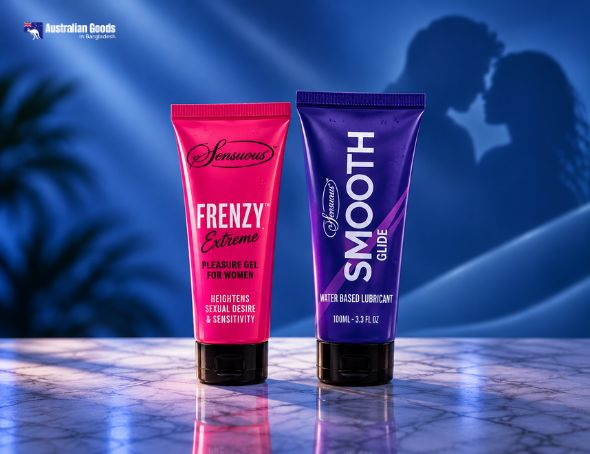
For example, Sensuous describes Frenzy as a warming pleasure gel, says it is not intended as a lubricant, and instructs users to discontinue it if irritation or discomfort occurs. Do not layer a warming gel over soreness to test whether the sensation becomes more pleasant.
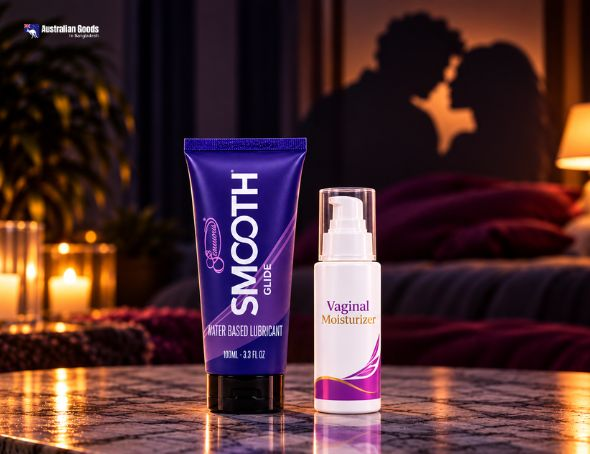
Our arousal gel vs lubricant guide explains the difference in purpose. For an irritation concern, begin with comfort and recovery rather than a more intense sensation.
How to compare lubricant labels after a reaction
Once symptoms have settled—and after clinical advice where needed—compare formulas rather than choosing by “gentle” or “natural” alone. No lubricant can promise to suit every person. If a clinician has identified an allergy, follow that specific avoidance advice.
| Label question | Why it helps |
|---|---|
| Is it a lubricant or a sensation gel? | The intended application and amount may be different. |
| Does it include warming, cooling, scent or flavour features? | These are additional exposures worth reviewing when irritation is the concern. |
| What is the complete ingredient list? | A highlighted aloe ingredient or “free from” claim does not describe the whole formula. |
| Is the pack intact and within expiry? | Use the current supplied label and storage directions, not an old online photograph. |
| What do the condom and accessory instructions say? | Comfort, condom compatibility and toy compatibility are separate checks. |
A patch check on ordinary skin cannot guarantee comfort on genital tissue. Do not use a home test to dismiss a previous serious reaction or keep retrying a product that caused symptoms. Introduce any new product cautiously and stop if discomfort returns.
Three Smooth formulas: useful differences, no irritation-free promise
The following products are label comparisons for adults, not treatments for burning:
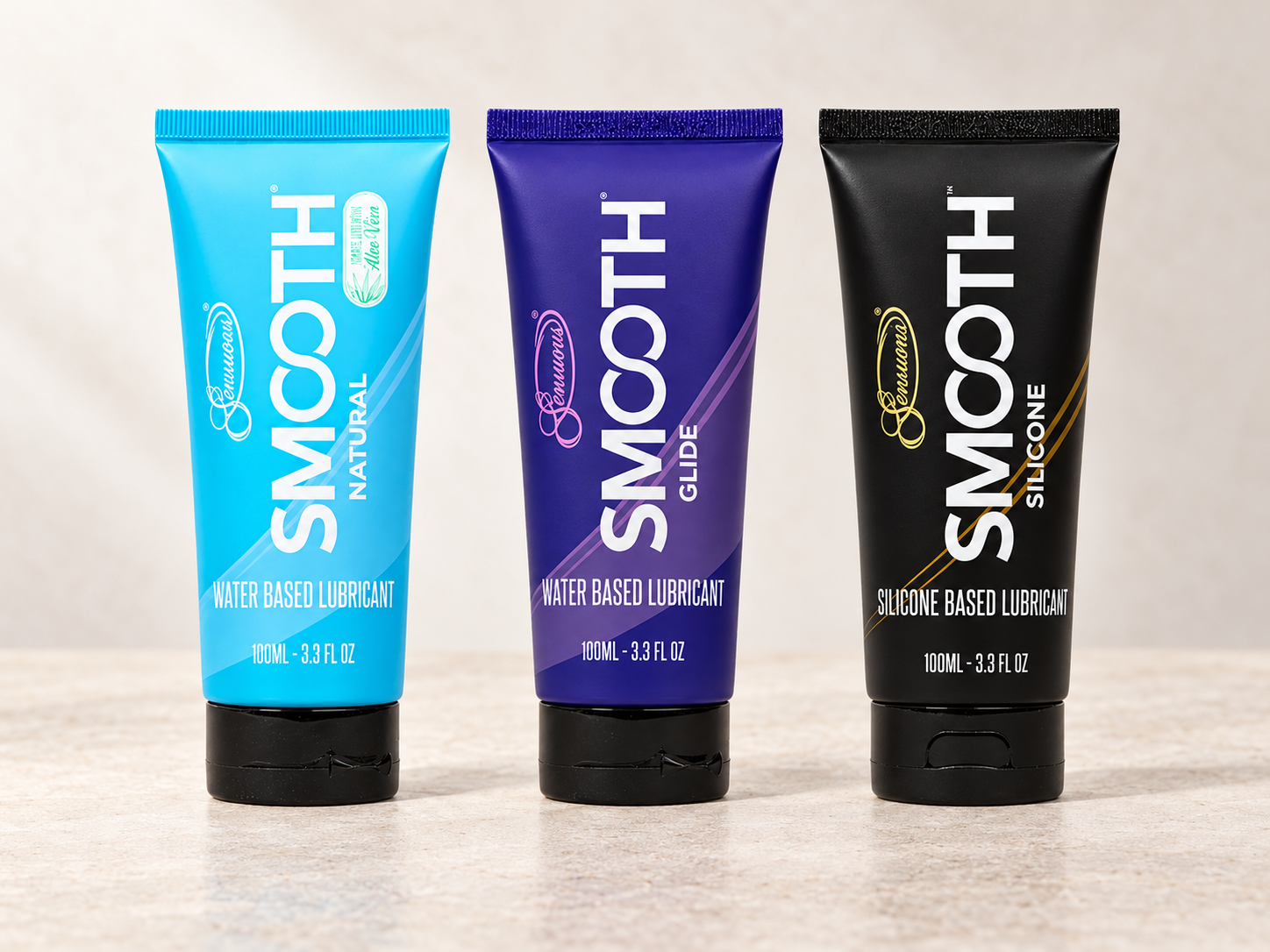
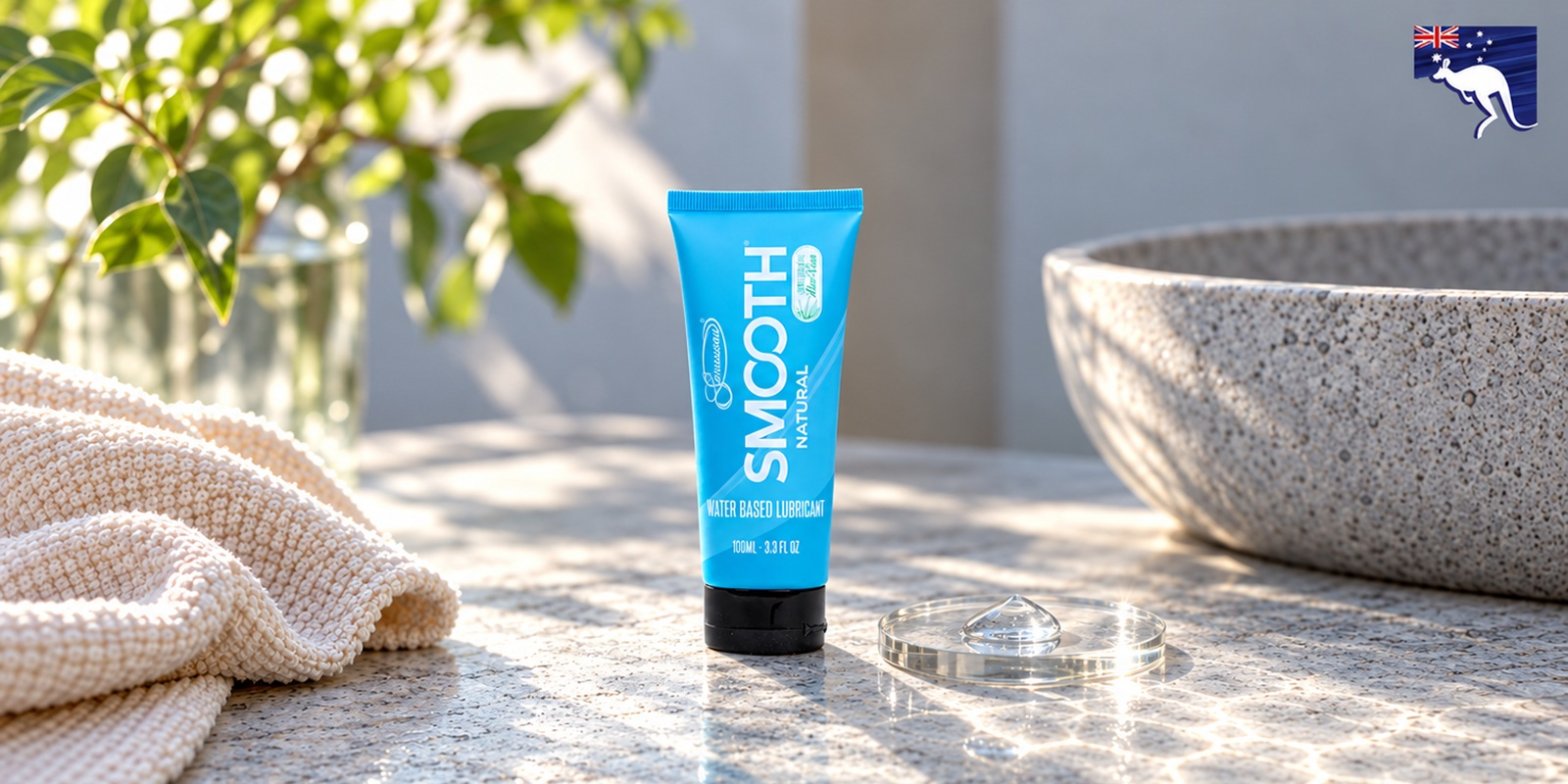
- Smooth Natural is water-based with aloe vera and is described by Sensuous as glycerin-free. That may match a preference, but “natural” does not establish allergy safety.
- Smooth Glide is another water-based option. The reviewed pack lists glycerine and propylene glycol among its ingredients, so it is not the same formula as Natural.
- Smooth Silicone uses a silicone formula with phenyl trimethicone, cyclopentasiloxane and dimethiconol. Longer-lasting glide does not make it a remedy for irritated skin; its directions also say to stop if irritation occurs.
Check the exact pack before buying lubricant in Bangladesh, because product panels can change. If you are comparing only texture and cleanup, the full Smooth comparison gives more detail. If pain is the reason you are shopping, deal with that first.
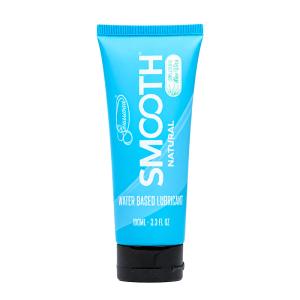
Smooth Natural™ Personal Lubricant – Water-Based with Aloe Vera 100ml
Smooth Natural™ is a water-based personal lubricant for adults who want a smooth, comfortable feel during intimacy. Its colourless formula combines aloe vera juice with a water bas...
When to see a doctor
Arrange an assessment if burning persists after stopping the product, repeatedly returns, or happens without lubricant. Seek advice for unusual discharge or odour, painful urination, sores, bleeding, or a new partner followed by symptoms. Fever or pelvic pain needs prompt medical care; do not wait for a different product to solve it.
Bring a short account: when the sensation started, where it hurt, how long it lasted, what products were used and whether your partner had symptoms. This is more helpful than trying to arrive with a diagnosis. You can request a clinician you feel comfortable speaking with.
If discomfort is mainly linked to continuing dryness, read our moisturiser vs lubricant guide. The aim is comfortable intimacy—not learning to tolerate pain.