Magnesium Supplements in Bangladesh: Uses, Types & Benefits
Two magnesium bottles can display very different strengths yet supply a similar amount of the mineral. This guide explains the forms sold in Bangladesh, the claims worth questioning and the line on an Australian label that lets you compare products fairly.
Quick Answer
Compare magnesium supplements by the amount of elemental magnesium per daily serving, the reason for taking them and how well you tolerate the product. Citrate, glycinate and oxide are different compounds. The name alone cannot tell you whether a supplement is suitable for cramps, poor sleep or an identified deficiency.
Key Takeaways
- On an Australian label, look for “equivalent magnesium” or “elemental magnesium” and check how many capsules make a serving.
- Citrate is generally absorbed more readily than oxide. Any oral preparation can cause stomach upset or loose stools.
- Check with a pharmacist if you take antibiotics or osteoporosis medicines, and get advice before buying if you have kidney disease.
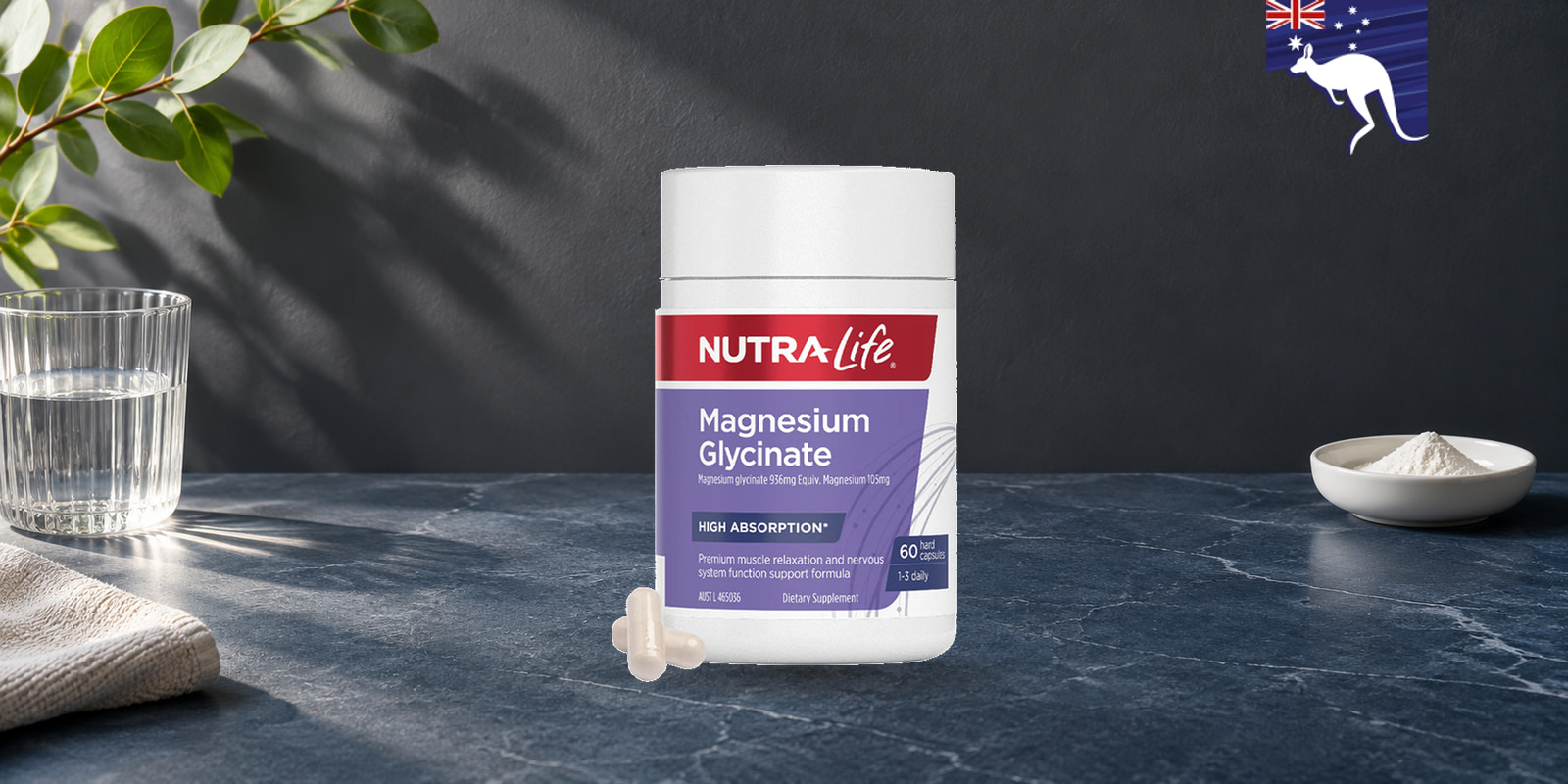
One bottle says “936 mg magnesium glycinate”. Another says “105 mg magnesium”. Before you pay more for the bigger number, turn the first bottle around. Those two figures can describe exactly the same capsule. If you are wondering how to choose a magnesium supplement in Bangladesh, that one line is a good place to start.
What benefit are you looking for?
Magnesium helps muscles contract, nerves carry messages and bones maintain their structure. Most people get some from daily meals, especially when they regularly eat dal, leafy vegetables, nuts or whole grains. A supplement can fill an identified gap. If your doctor has found a low magnesium level, ask about the recommended amount, duration and follow-up before choosing a product.
A different question is whether extra magnesium will fix a symptom in someone whose intake is already adequate. For sleep, the US National Center for Complementary and Integrative Health describes the research as too limited for firm conclusions. A Cochrane review found little reason to expect meaningful prevention of ordinary muscle cramps in older adults. Persistent poor sleep or frequent cramps deserve attention in their own right. Choose a supplement when you can say what you want it to achieve and how you will judge the result.
Glycinate, citrate or oxide: what changes?
Magnesium is paired with another substance to make the ingredient used in a capsule or tablet. The different compounds contain different proportions of magnesium, and they vary in how well they dissolve. This explains why weights printed on the front can look dramatically different.
- Glycinate or bisglycinate pairs magnesium with glycine. A glycinate capsule is an option when the elemental amount suits you. A premium price or the word “sleep” on a listing does not establish that it will treat insomnia.
- Citrate generally absorbs more readily than oxide. Some citrate preparations are sold as laxatives, with different doses and directions. Check the intended use if you are comparing a supplement with a pharmacy product for constipation.
- Oxide supplies a relatively large amount of elemental magnesium for its weight. It generally absorbs less readily than citrate, and it can loosen stools. When a clinician recommends a particular preparation, ask before substituting another form.
- Blended products list more than one magnesium compound. Read the total elemental magnesium per serving, then check the added nutrients. A blend can be convenient, but a longer ingredient list gives little information about whether it suits your needs.
How to read a real Australian label
Nutra-Life Australia lists 936 mg of magnesium glycinate per capsule in its Magnesium Glycinate product, equivalent to 105 mg of magnesium. For your daily tally, one capsule contributes 105 mg. Counting 936 mg would overstate the mineral content, and adding the two figures together would count the same ingredient twice.
Now check the serving instructions on the pack in your hand. If a different label lists a value for two capsules, divide by two to find the amount per capsule. Check the carton, too, if you use an antacid, laxative or another mineral supplement. A second product can contribute magnesium even when its front label calls attention to calcium or digestive relief.
How much magnesium is too much?
The US adult upper limit is 350 mg a day from supplements and magnesium-containing medicines combined. It excludes magnesium naturally present in food. This is a safety reference for generally healthy adults, not a personal dose or a target to reach. A clinician managing deficiency may prescribe a different amount and arrange monitoring.
Loose stools, nausea or abdominal discomfort can make an otherwise suitable product impractical. Seek advice if these start after adding magnesium. Poor kidney function makes it harder to clear excess magnesium, so people with kidney disease should speak to their kidney team before starting any preparation, including an over-the-counter laxative.
Some antibiotics and oral osteoporosis medicines can bind to magnesium in the gut, reducing how much medicine is absorbed. Show the pharmacist your exact prescription. Asking “When can I take this around my morning antibiotic?” is more useful than a general question about taking vitamins with food.

Nutra life Magnesium Glycinate Capsules
Nutra life Magnesium Glycinate Capsules: compare elemental magnesium, label directions, pack value and Bangladesh price.
Compare the price of a course in taka
When two products both meet the amount you have been advised to take, compare what the course will cost. Divide the current pack price in taka by the number of daily servings. A 60-capsule pack lasts 60 days at one capsule daily or 30 days at two. Check the listed serving before comparing it with a 30-tablet pack. Dividing the price by the number of capsules can give the wrong answer.
Also consider whether you can comfortably swallow the tablet and store the pack as directed through a humid summer. If swallowing is the obstacle, ask about a liquid or powder with a clearly marked dose. Compare the selected size, expiry and delivered price on the product page. Once the amount and form fit your needs, these practical differences often decide which pack you will actually finish. The related product cards show the current price and selected size in taka.
Which pack fits your day?
Put the two labels beside each other. Suppose one pack lists 100 mg of elemental magnesium per tablet and another lists 200 mg per two-tablet serving. Each tablet supplies the same 100 mg. If you are following a clinician’s directions, match the prescribed daily amount and form first. Then compare the number of tablets you would actually need and whether the pack will last until your next appointment. These are example label figures, not a suggested dose.
For someone who eats breakfast before a long bus commute, a powder that needs measuring and mixing may be easier to take at home. Someone who struggles to swallow a large tablet may prefer that same powder. Read the line that defines a scoop: a level measure and a heaped spoonful can deliver different amounts. If you share the kitchen, keep the scoop with its original container so a family member does not mistake it for another powder. You can compare available forms and pack sizes in the magnesium supplement collection.