Is Collagen Halal? How to Check the Source & Certification
A fish symbol, a familiar brand and a reassuring seller can still leave an important question unanswered. This guide helps Bangladesh shoppers read collagen labels, check certificates and recognise the difference between a manufacturer’s suitability statement and verified halal certification.
Quick Answer
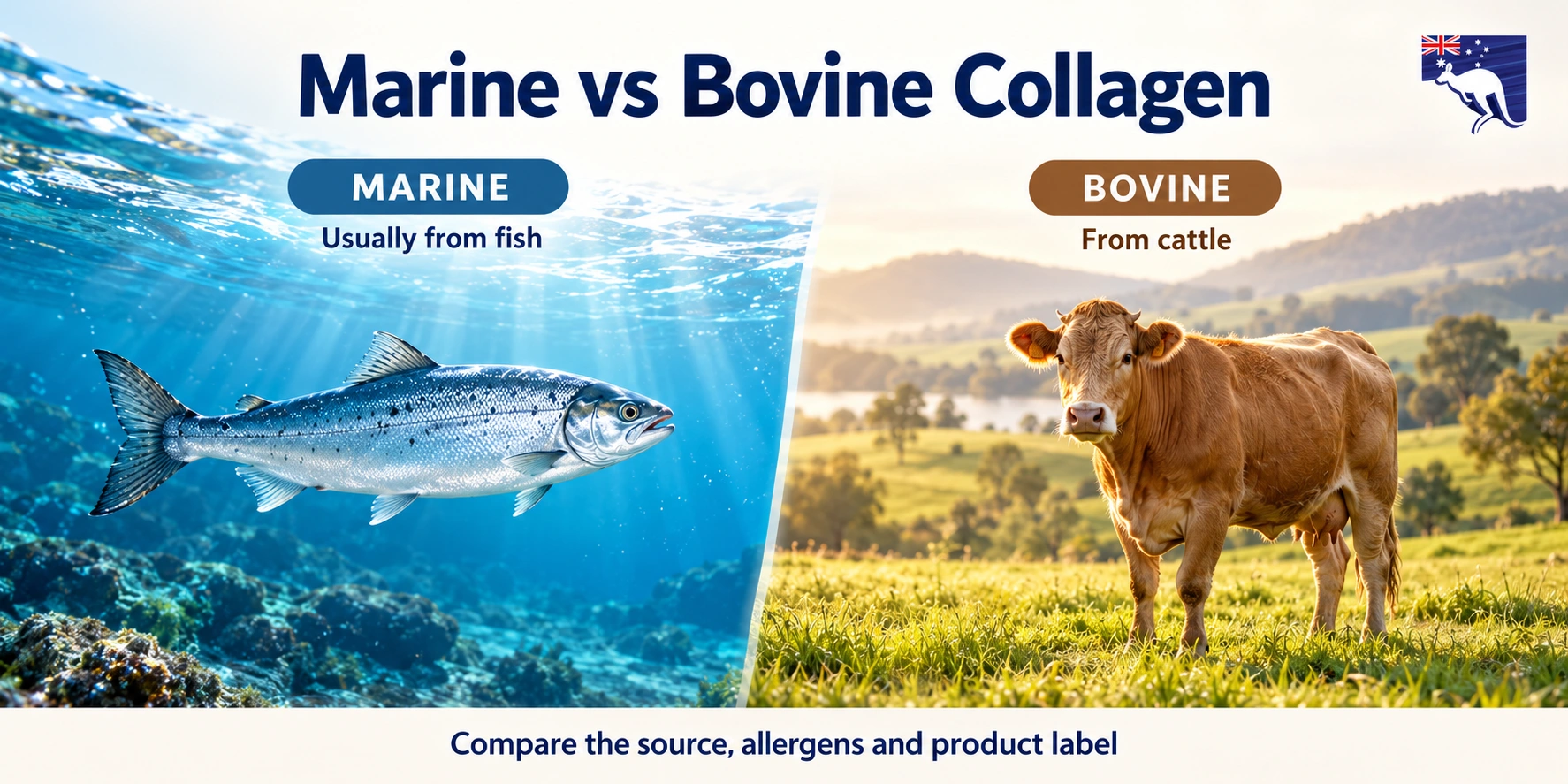
Collagen can be halal, but its animal source, the other ingredients and manufacturing process all matter. Fish-derived collagen is generally a permissible source; bovine collagen needs appropriate sourcing and slaughter checks. Porcine collagen is excluded by mainstream halal certifiers. To confirm a supplement is halal-certified, verify evidence covering the exact finished product with the named certifying body.
Key Takeaways
- A halal certificate for a collagen ingredient or factory does not automatically cover every finished supplement made with it.
- Check the exact product, manufacturer, certificate scope and relevant dates before relying on a halal logo.
- “May be halal suitable” is a manufacturer’s assessment; it is different from independent halal certification.
- An unresolved certification check calls for clarification, not an automatic claim that a product is haram.
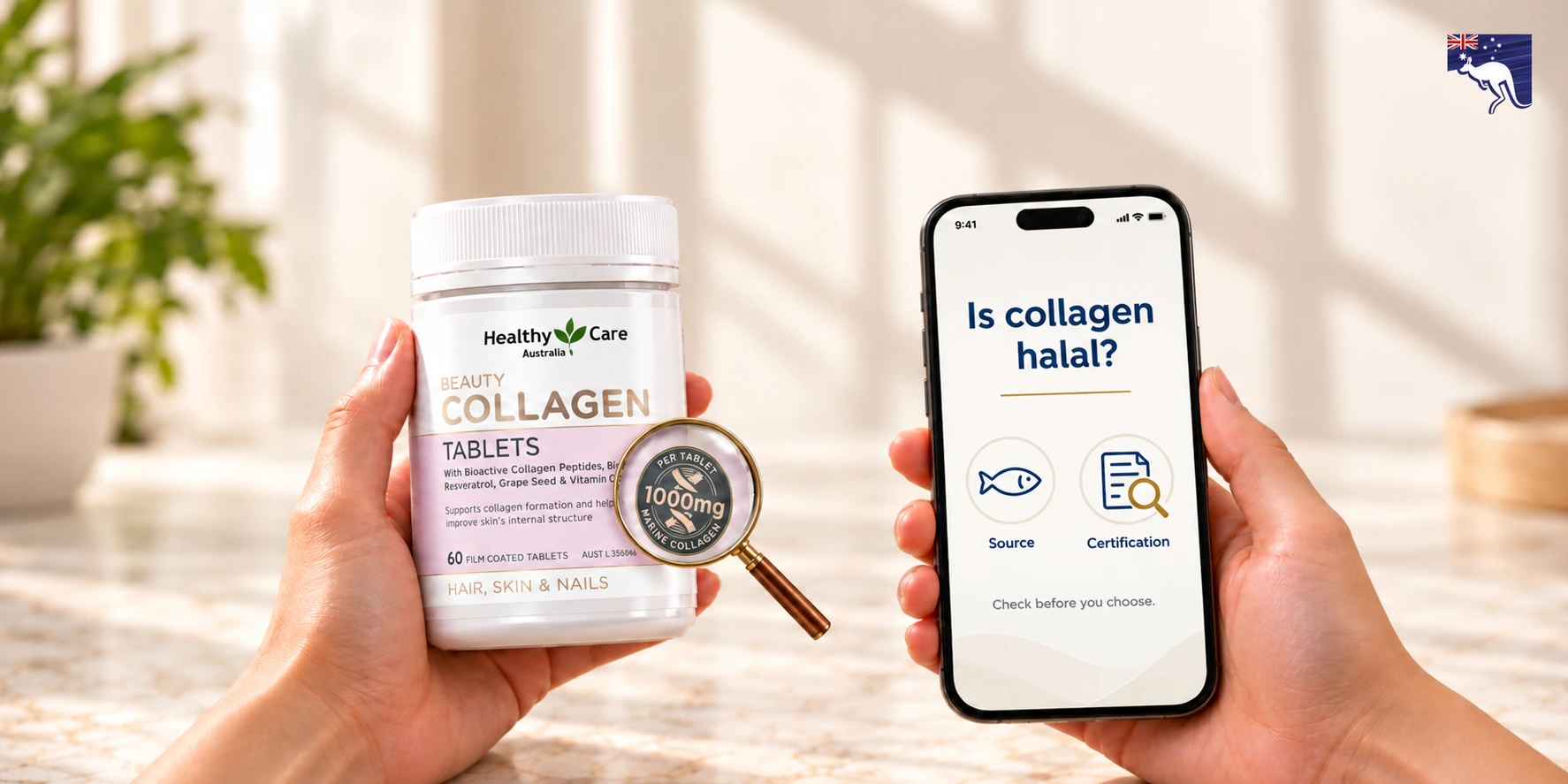
You find a collagen supplement you like, then turn the bottle around and discover that the one detail you need is missing. “Marine collagen” is printed clearly. Halal certification isn’t.
A quick “yes, it’s halal” from a seller may feel reassuring. Before you buy, it helps to know what that answer is based on. A few specific checks can turn a vague promise into information you can assess.
What does the collagen source tell you?
The animal source is the starting point. It tells you which questions to ask, but it cannot describe everything else in the tub, tablet or capsule.
| Label wording | What to check next |
|---|---|
| Fish or marine collagen | Confirm the species or source. Fish is generally permissible, but the finished blend still needs its other ingredients and processing assessed. |
| Bovine collagen | This means cattle-derived. Ask for evidence of the applicable halal sourcing and slaughter requirements. |
| Porcine collagen | This means pig-derived. Mainstream halal certifiers exclude porcine ingredients. |
| Collagen peptides or hydrolysed collagen | These terms describe processing. They do not identify the animal or establish halal status. |
IFANCA Pakistan’s ingredient guidance explains animal sources, halal slaughter and porcine exclusions. If a source or religious interpretation is unclear, take the details to a trusted halal authority.
What does a halal certificate actually cover?
A supplement may contain flavourings, coatings, capsule shells and processing aids as well as collagen. The American Halal Foundation describes checks covering these ingredients and controls against contact with non-halal materials.
Look carefully at the scope. A supplier’s certificate might cover a bulk collagen ingredient. A factory certificate might cover a site. Neither, on its own, tells you that your finished flavoured powder is included. IFANCA’s certificate guidance specifically distinguishes site certification from individual product certification.
Country-of-origin statements and general quality claims answer different questions. “Australian made” or “premium marine collagen” cannot replace evidence of halal certification.
How do you verify a collagen halal certificate?
- Identify the pack. Note the full product name, flavour, manufacturer, market version and batch details. Similar-looking variants may have different formulas.
- Request the complete document. Include any attached product schedule. Check whether your finished product is named or clearly covered.
- Check the issuer independently. Visit the certifier’s official website. Use its register or contact details to verify the certificate number, rather than trusting a cropped screenshot.
- Read the dates and scope. Confirm validity and ask whether the relevant production batch is covered. If a certificate has expired, the issuer should clarify how that affects the stock being sold.
- Resolve mismatches before ordering. A different company, missing product or unclear manufacturing location needs an explanation from the manufacturer or certifier.
For example, DHCE provides certificate-number and QR verification. For Malaysian certification claims, JAKIM directs consumers to its official directory. Each service has its own coverage; one search is not a worldwide register of every halal product.
A real example: suitable does not mean certified
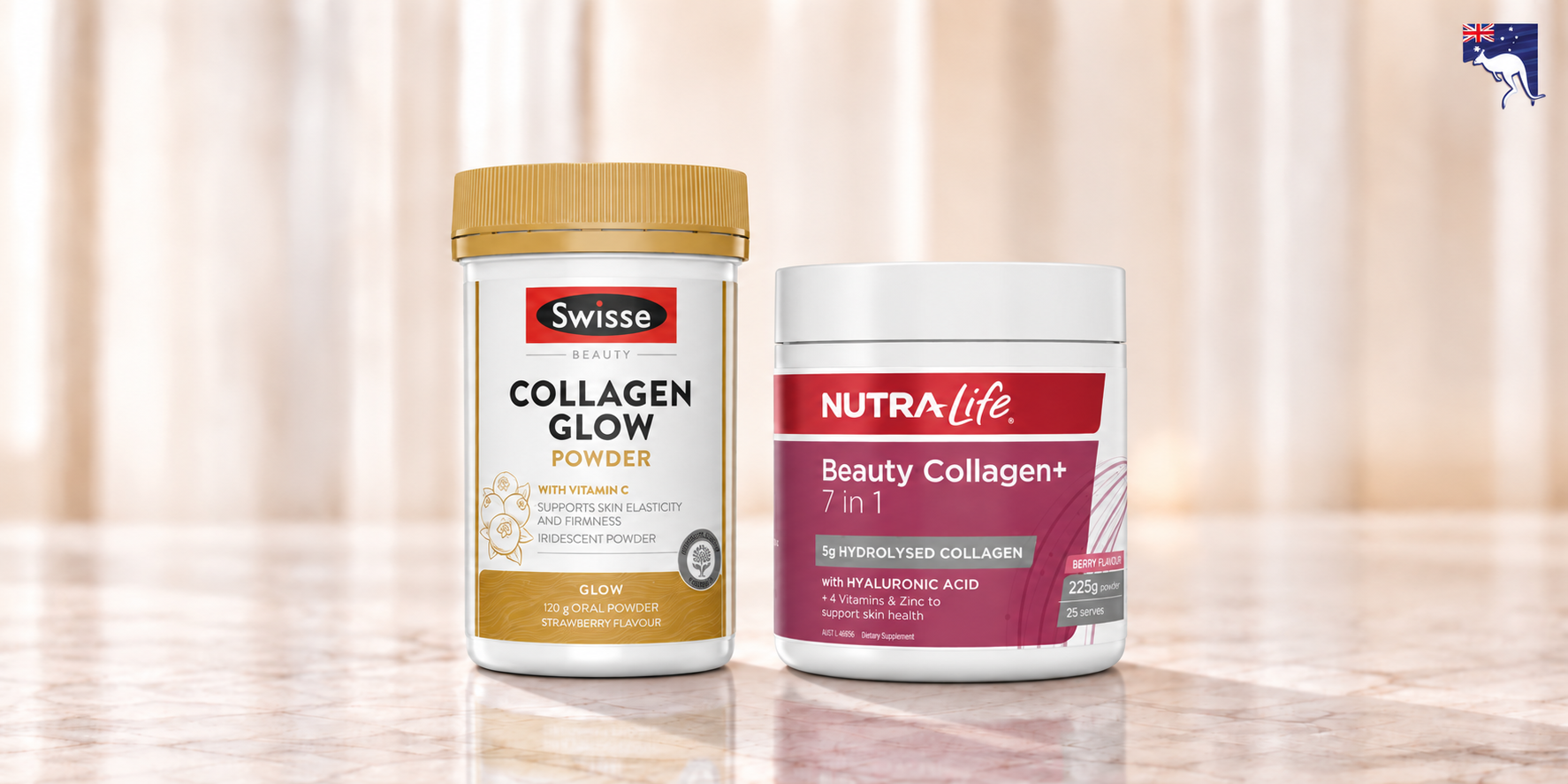
Swisse’s Australian halal suitability guide, checked on 24 October 2026, lists Marine Collagen Skin Hydration Powder among products that may suit halal diets. The same guide states that Swisse currently has no halal-certified products.
That wording matters. The product below is included as a practical example of a manufacturer’s suitability statement, not as a halal-certified recommendation. If certification is your requirement, this statement does not meet it.

Swisse Beauty Marine Collagen Skin Hydration Powder – 120g
Swisse Marine Collagen Skin Hydration Powder 120 g in Bangladesh: distinct pack, supplied scoop and ingredient checks, fish source and current price.
What should you ask a seller in Bangladesh?
Before paying for an imported supplement, request clear photos of the actual pack being supplied. A photo from another country or an older listing may not match it. Keep the seller’s written reply with your order details.
You can send this short request:
Please send the front and full ingredient label of the pack you will supply, plus any halal certificate and product schedule. Does the certificate cover this exact variant and batch? Please include the issuing body’s name and a way to verify it directly.
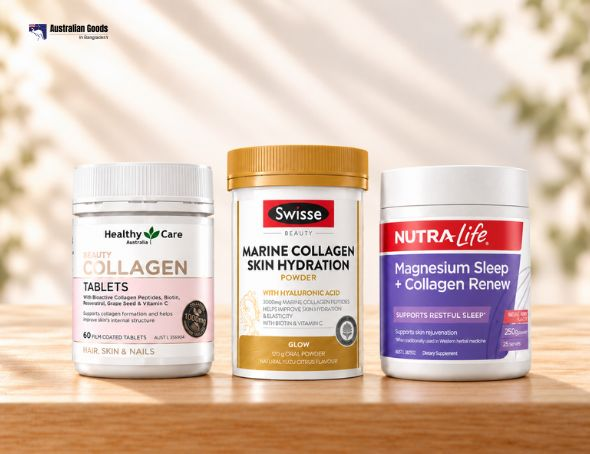
“All products from this brand are halal” is too broad without supporting evidence. Compare documentation before comparing discounts. Our brand guide can help you organise the other label differences:
What if you still cannot confirm the status?
Unverified does not automatically mean haram. It means you do not yet have enough evidence to make the certification claim. Ask the manufacturer for a written clarification; a trusted scholar or halal authority can advise on religious suitability.
If you specifically want certified collagen, wait for verifiable evidence or choose an option whose certification you can confirm. There is no need to rush a supplement purchase while an important question remains unanswered.