Best Time to Take Iron Supplement for Better Absorption
Discover the best time to take iron supplements for better absorption and improved energy. Learn whether to take iron before or after meals, morning or night, which foods and drinks support or reduce absorption, common mistakes to avoid, and practical tips for maintaining an effective daily routine safely in Bangladesh.
Taking an iron supplement correctly is important for supporting better absorption and effective nutrient use. Many people take iron regularly but still experience low iron levels because of timing mistakes, food interactions, or habits that reduce absorption. This guide explains the best time to take iron supplements, whether you should take them before or after meals, foods that improve or reduce absorption, and practical tips to build a safe and effective iron routine.
What Is the Best Time to Take an Iron Supplement?
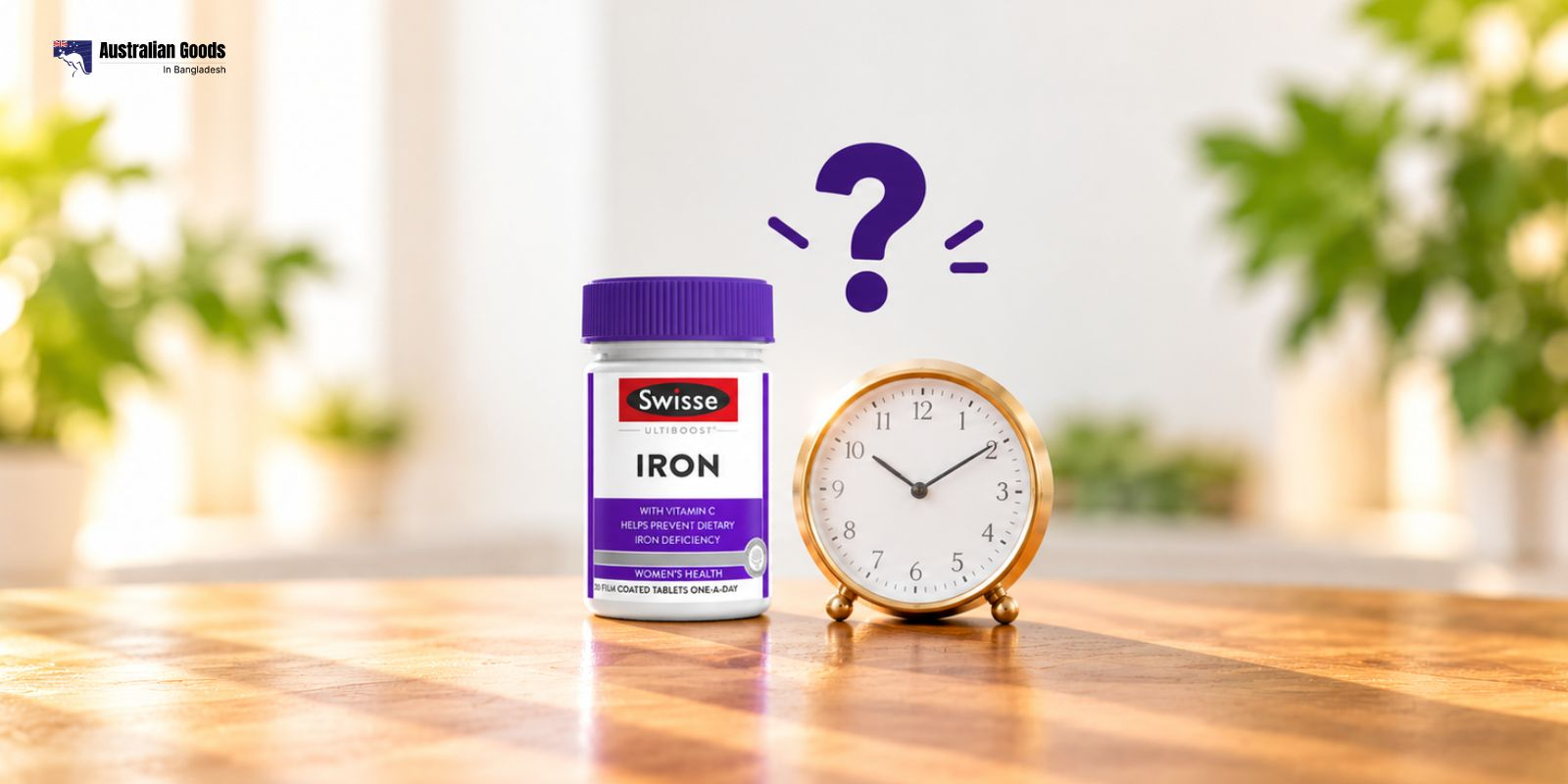
Iron supplements are generally absorbed best when taken on an empty stomach, usually between meals. However, some people experience stomach discomfort when taking iron without food, so taking it with a small meal may be appropriate. Vitamin C can help improve iron absorption, while tea, coffee, calcium, and some medicines may reduce absorption.
Why Does Iron Supplement Timing Matter?
Iron is an essential mineral that your body needs to produce haemoglobin, the protein responsible for carrying oxygen through your blood. When your body does not have enough iron, oxygen delivery may decrease, which can contribute to tiredness, weakness, poor concentration, and reduced physical performance.
However, taking an iron supplement does not automatically mean your body absorbs all the iron provided. Iron absorption is affected by several factors, including whether you take it with food, what you drink with it, other supplements, medicines, and your digestive health.
For example, taking iron together with tea or coffee may reduce absorption, while taking it with vitamin C-rich foods may help your body absorb certain forms of iron more effectively.
Expert Insight
The goal is not simply to take more iron. The goal is to help your body absorb and use iron efficiently while addressing the reason your iron levels are low.
How Iron Absorption Works in Your Body
After you take an iron supplement, the iron travels to your digestive system, where it is absorbed mainly in the small intestine. Once absorbed, it can be used to produce haemoglobin and support healthy red blood cell formation.
Your body carefully regulates iron because both deficiency and excessive iron levels can create health problems. This is why iron supplementation should be based on individual needs and, when necessary, professional guidance.
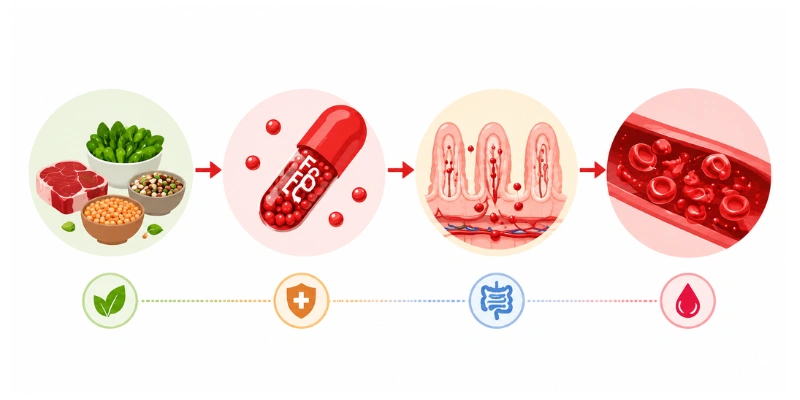
Factors that influence iron absorption:
- Timing of the supplement.
- Food and drinks consumed with iron.
- Vitamin C intake.
- Calcium and mineral intake.
- Digestive health.
- Certain medicines.
Best Time to Take Iron Supplement for Better Absorption
In general, iron supplements are often absorbed best when taken on an empty stomach because certain foods can interfere with absorption. Many healthcare professionals recommend taking iron between meals with water.
However, this approach does not work for everyone. Some people experience nausea, stomach discomfort, constipation, or digestive irritation when taking iron without food. In these situations, taking iron with a small amount of food may improve comfort while still providing nutritional support.
General timing tips:
- Take iron according to the product label or healthcare professional advice.
- Avoid taking iron with tea, coffee, or calcium-rich foods.
- Consider taking iron with vitamin C-rich foods if appropriate.
- Take your supplement consistently at a time you can remember every day.
Should You Take Iron Supplement Before or After Meals?
One of the biggest questions about iron supplements is whether they should be taken before eating or after meals. The answer depends on how your body responds and how well you tolerate iron.
Iron is commonly absorbed better on an empty stomach because certain foods can reduce absorption. However, some people experience stomach discomfort, nausea, constipation, or abdominal irritation when taking iron without food. In those cases, taking iron with a small meal may be a more practical option.
| Taking Iron Before Meals | Taking Iron With or After Meals |
|---|---|
| Generally provides better absorption because fewer foods interfere. | May reduce stomach discomfort for some people. |
| Often recommended when tolerated. | Can be easier to maintain for long-term use. |
| Usually taken with water. | Choose foods that do not significantly reduce iron absorption. |
Morning vs Night: What Is the Best Time to Take Iron?
Many people wonder whether taking iron in the morning or at night provides better results. The truth is that there is no universal "perfect" time for everyone.
The most important factors are absorption, consistency, and avoiding interactions with foods, drinks, and medicines. A person who regularly takes iron correctly at night may achieve better results than someone who takes it in the morning but frequently forgets doses or combines it with absorption blockers.
| Morning Iron Routine | Night Iron Routine |
|---|---|
| Easier for people who prefer taking supplements after waking. | May work well if it fits your daily routine. |
| Can be taken before breakfast if tolerated. | Can avoid competition with daytime tea or coffee habits. |
| Requires avoiding breakfast foods that reduce absorption. | Should not be taken too close to calcium-rich dinner foods. |
A practical approach:
- Choose a time when you can take your supplement consistently.
- Keep a gap from tea, coffee, calcium supplements, and interfering medicines.
- Follow your product instructions or healthcare professional's advice.
Can Vitamin C Improve Iron Absorption?
Vitamin C is one of the most important nutrients associated with improved absorption of non-haem iron, which is the type of iron commonly found in plant-based foods and many supplements.
Vitamin C helps convert iron into a form that is easier for the body to absorb. This is why many healthcare professionals recommend consuming vitamin C-rich foods alongside iron-rich meals or supplements when appropriate.
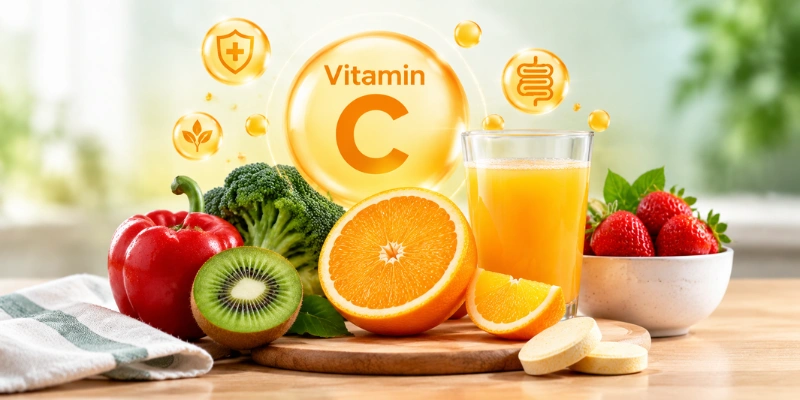
Vitamin C-rich foods include:
- Orange
- Lemon
- Guava
- Amla
- Tomato
- Capsicum
- Kiwi
- Strawberries
Foods That May Help Improve Iron Absorption
Your daily diet plays an important role in how effectively your body absorbs iron. Combining iron-rich foods with vitamin C sources can support better nutrient availability.
Iron-rich foods to include:
- Lean red meat
- Fish and seafood
- Poultry
- Eggs
- Lentils
- Beans
- Spinach and leafy vegetables
- Iron-fortified foods
For people in Bangladesh, traditional foods such as lentils, fish, leafy vegetables, and meat can contribute to daily iron intake. However, when deficiency is confirmed, dietary changes alone may not always be enough, and supplementation may be recommended.
Foods and Drinks That Can Reduce Iron Absorption
Some foods and beverages contain compounds that may reduce how much iron your body absorbs. These foods do not need to be completely avoided, but it is usually better not to take them at the same time as your iron supplement.
| Food or Drink | Why It May Affect Iron Absorption |
|---|---|
| Tea | Contains tannins that may reduce non-haem iron absorption. |
| Coffee | Contains polyphenols that may interfere with absorption. |
| Milk and calcium-rich foods | Calcium may compete with iron absorption. |
| Calcium supplements | May reduce iron absorption when taken together. |
Key Takeaways
- Iron is generally absorbed better on an empty stomach if tolerated.
- Taking iron with food may help people who experience stomach discomfort.
- Vitamin C can support iron absorption.
- Tea, coffee, calcium, and some supplements may reduce absorption.
- The best routine is the one you can follow consistently.
Can You Take Iron Supplements With Other Vitamins, Supplements, or Medicines?
Many people take iron together with other vitamins or supplements, especially multivitamins, vitamin C, calcium, magnesium, or zinc. While some combinations may support better nutrition, others may reduce absorption or require specific timing.
Understanding these interactions can help you build a safer and more effective supplement routine. However, if you take prescription medicines, always ask your doctor or pharmacist before changing the timing of your supplements.
Iron and Calcium: Should They Be Taken Together?
Calcium is an important mineral for bone health, but taking calcium supplements at the same time as iron may reduce iron absorption in some situations.
This does not mean calcium should be avoided. Both nutrients are important, but separating their timing may help your body absorb each nutrient more effectively.
- Avoid taking calcium supplements at the same time as iron unless advised by a healthcare professional.
- Separate calcium-rich foods and iron supplements when possible.
- Follow the timing instructions provided on your supplement labels.
Iron and Zinc: Can They Be Taken Together?
Iron and zinc are both essential minerals involved in many body functions, including immune health, metabolism, and normal growth. However, high doses of certain minerals may compete for absorption when taken together.
If you are taking separate iron and zinc supplements, ask a healthcare professional whether they should be taken at different times.
Iron and Magnesium Supplements
Magnesium supports muscle function, nerve health, and energy metabolism. Since minerals may interact with each other during absorption, taking high-dose mineral supplements together may not always be ideal.
If you use multiple mineral supplements, review your daily intake to avoid unnecessary duplication and follow recommended directions.
Iron and Prescription Medicines
Some medicines can interact with iron supplements or affect how well your body absorbs them. This does not mean iron cannot be used, but timing adjustments may be necessary.
| Medicine Type | Why Timing May Matter |
|---|---|
| Thyroid medicines | Iron may reduce absorption of certain thyroid medications when taken together. |
| Certain antibiotics | Minerals may affect absorption of some antibiotics. |
| Antacids or acid-reducing medicines | Changes in stomach acidity may affect iron absorption. |
Common Mistakes That Reduce Iron Supplement Absorption
Many people take iron supplements regularly but unknowingly reduce absorption through everyday habits. Avoiding these mistakes can help you get more benefit from your supplement routine.
- Taking iron with tea or coffee: Tea and coffee contain compounds that may reduce iron absorption.
- Taking iron with milk: Calcium may interfere with iron absorption when consumed together.
- Missing doses frequently: Inconsistent use may prevent iron stores from improving.
- Stopping too early: Feeling better does not always mean iron stores are fully restored.
- Increasing the dose without advice: More iron is not always better and excessive intake can be harmful.
- Taking multiple iron products: Combining products may result in unnecessary high iron intake.
- Ignoring the underlying cause: Persistent low iron may require medical investigation.
Sample Daily Iron Supplement Routine
The following example shows how someone may organise an iron supplement routine. It is only a general example and should be adjusted according to individual needs and healthcare advice.
| Time | Example Routine |
|---|---|
| Morning | Take iron with water if tolerated. Avoid tea or coffee immediately around this time. |
| Breakfast | Eat a balanced meal. Avoid combining iron with high-calcium foods if possible. |
| Lunch | Include vitamin C-rich foods such as fruits or vegetables. |
| Evening | If taking other minerals or supplements, follow recommended spacing instructions. |
Practical Iron Supplement Tips for People in Bangladesh
Lifestyle habits and food patterns can influence how effectively iron supplements work. For Bangladeshi consumers, a few practical adjustments can make daily supplementation easier.
- Avoid drinking tea immediately before or after taking iron supplements.
- Take iron with clean water instead of tea, coffee, or milk.
- Add vitamin C-rich fruits such as guava, lemon, or oranges to your meals.
- Include traditional iron-containing foods such as lentils, fish, eggs, meat, and leafy vegetables.
- Do not purchase supplements from unknown sellers where authenticity cannot be confirmed.
- Store supplements away from heat, moisture, and direct sunlight.
- Check expiry dates, packaging seals, and product information before use.
Iron Supplement Absorption Checklist
- Take iron consistently.
- Use water when taking iron supplements.
- Avoid tea and coffee around iron timing.
- Consider vitamin C-rich foods.
- Separate calcium supplements when advised.
- Follow product directions.
- Do not increase doses without advice.
- Seek medical guidance if symptoms continue.
Key Takeaways
- Iron may interact with calcium, some minerals, and certain medicines.
- Avoid tea, coffee, and calcium around iron timing when possible.
- Consistency is essential for improving iron status.
- Correct timing supports absorption, but identifying the cause of low iron is equally important.
Recommended Iron Supplement in Bangladesh
A balanced diet should always be the foundation of healthy nutrition. However, when additional iron intake is needed based on nutritional requirements or professional advice, choosing a trusted iron supplement can help support daily iron intake.
Swisse Ultiboost Iron is an Australian supplement formulated to support healthy iron levels and normal red blood cell formation. Always follow the product label directions and consult a healthcare professional if you have diagnosed iron deficiency, anaemia, or ongoing health concerns.
Swisse Ultiboost Iron – Daily Iron Support
Why it may help: Iron is an essential mineral required for normal haemoglobin production and oxygen transport throughout the body. Swisse Ultiboost Iron provides iron support for people who may require additional dietary iron intake.
What it supports: This supplement supports normal red blood cell formation, oxygen transport, energy metabolism, and general wellbeing when used according to the recommended directions.
- Suitable for: Adults looking for additional iron support as part of their daily nutritional routine.
- Best timing: Follow the product label instructions. Iron supplements are commonly taken away from tea, coffee, and calcium-containing products because these may reduce absorption.
- Absorption tip: Taking iron with vitamin C-rich foods may support the absorption of certain forms of iron.
- Common mistake: Increasing iron intake without understanding the reason for low iron levels. Persistent iron deficiency should be discussed with a healthcare professional.
Better iron support is not only about choosing the right supplement taking it correctly and maintaining healthy absorption habits are equally important.

When Should You Consult a Healthcare Professional?
Iron supplements can support nutritional needs, but low iron levels may have different causes. If iron levels do not improve despite correct supplementation, it is important to understand why.
A healthcare professional can help determine whether the issue is related to dietary intake, absorption problems, ongoing iron loss, medication interactions, or another health condition.
Seek professional advice if you experience:
- Persistent tiredness or weakness despite taking iron.
- Low haemoglobin or ferritin levels that do not improve.
- Heavy menstrual bleeding.
- Digestive problems affecting nutrient absorption.
- Pregnancy or breastfeeding.
- Taking thyroid medicine, antibiotics, or long-term medication.
- Symptoms continue after following supplementation instructions.
Best Time to Take Iron Supplement
Iron supplements are generally absorbed best when taken away from foods and drinks that reduce absorption, especially tea, coffee, and calcium-rich products. Many people take iron on an empty stomach with water, while others may take it with a small meal if stomach discomfort occurs. Vitamin C-rich foods may help improve iron absorption. The best routine is one that follows product instructions, suits your body, and can be maintained consistently.
Conclusion
The best time to take an iron supplement depends on your individual needs, digestion, daily routine, and the instructions provided with your product. While iron is often absorbed best on an empty stomach, taking it with food may be a better choice for people who experience stomach discomfort.
Small habits can make a difference. Taking iron away from tea, coffee, and calcium-rich products, including vitamin C-rich foods, and following a consistent routine can help support better absorption.
Remember that supplements work best when combined with a balanced diet and healthy lifestyle. If your iron levels remain low despite correct use, seek professional advice to identify the underlying reason.
Support Your Daily Nutrition With Trusted Australian Supplements
Explore authentic Australian health supplements available in Bangladesh with clear product information and nationwide delivery from Australian Goods Bangladesh.
Frequently Asked Questions (FAQs)
1. What is the best time to take an iron supplement?
Iron is often absorbed best when taken on an empty stomach with water. However, if it causes stomach discomfort, taking it with a small amount of food may improve tolerance.
2. Should I take iron before or after breakfast?
Many people take iron before breakfast because food may reduce absorption. However, individual tolerance and product instructions should be considered.
3. Can I take iron with vitamin C?
Yes. Vitamin C may help improve the absorption of non-haem iron and is commonly paired with iron-rich foods or supplements.
4. Can I drink tea after taking iron tablets?
Tea contains compounds that may reduce iron absorption. It is generally better to separate tea consumption from iron supplementation.
5. Can I take iron with milk?
Calcium in milk may reduce iron absorption when consumed together. Consider separating calcium-rich foods and iron supplements.
6. Is it better to take iron in the morning or at night?
Both times may work depending on your routine. The most important factors are consistency and avoiding foods or supplements that interfere with absorption.
7. How long does iron supplementation take to work?
Improvement varies between individuals. The time required depends on the severity of deficiency, the cause, absorption, and adherence to the recommended routine.
8. Can I take iron supplements without having iron deficiency?
Iron supplements should not be taken unnecessarily. Excess iron may be harmful, so supplementation should be based on nutritional needs and professional advice.
References & Scientific Sources
This article was prepared using guidance from recognised health organisations and scientific resources related to iron nutrition, absorption, and supplementation.
Medical Disclaimer
This article is intended for general educational purposes only and does not replace professional medical advice, diagnosis, or treatment. Iron supplements are not suitable for everyone and should not be used to treat suspected iron deficiency without proper guidance. Consult a qualified healthcare professional before starting, stopping, or changing iron supplementation, especially if you are pregnant, breastfeeding, taking prescription medicines, managing a medical condition, or experiencing persistent symptoms.