Collagen vs Hyaluronic Acid: Which Is Better for Skin?
Collagen and hyaluronic acid are often sold for the same skin concerns, but a serum and a supplement do different jobs. This guide compares skincare and oral supplements, excluding injectables, and explains realistic expectations for hydration, fine lines, firmness and elasticity when choosing products in Bangladesh.
Quick Answer
If dehydration is your main concern, start with topical hyaluronic acid and follow with a moisturiser. If you are comparing oral supplements, collagen has been studied more often than oral hyaluronic acid, but neither guarantees results. They may be used together, but suitability depends on the individual products and your circumstances.
Key Takeaways
- Compare skincare with skincare and supplements with supplements.
- Topical hyaluronic acid is the more practical choice for surface hydration.
- Dry skin still needs a suitable moisturiser; a hyaluronic acid serum may not be enough.
- Conventional collagen creams do not replace collagen deeper in the skin, while evidence for oral collagen remains mixed.
- A product containing both ingredients is not automatically more effective.
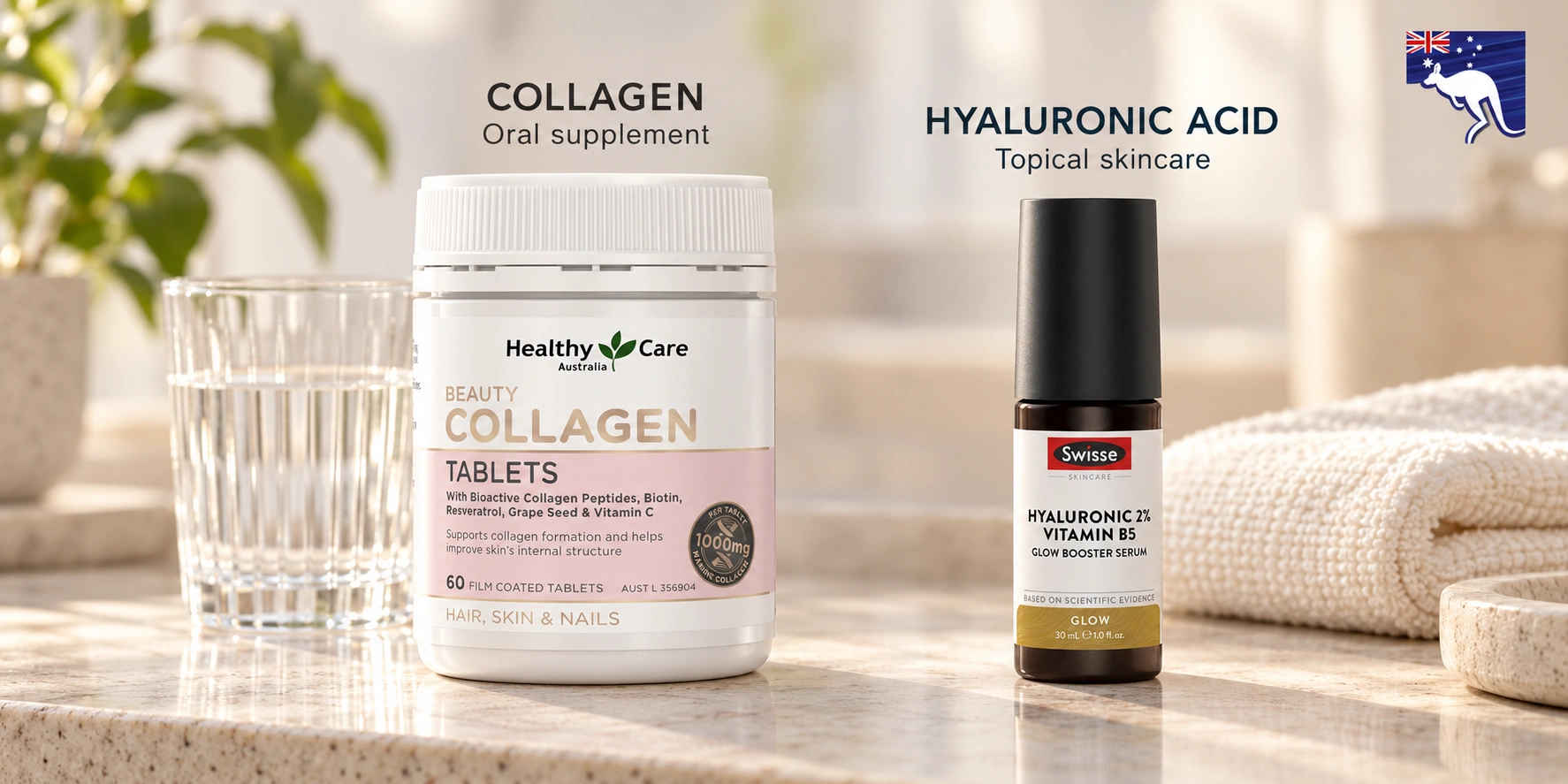
Two products promise smoother-looking skin. One goes on your face; the other goes in your daily supplement routine. That difference matters more than the ingredient name. A collagen cream, a collagen supplement and the collagen already in your skin are not interchangeable. Neither are a hyaluronic acid serum and an oral capsule.
Start with what you want to improve and how you plan to use the product. This guide covers skincare and oral supplements, not injectable treatments.
Collagen vs Hyaluronic Acid for Skin: Key Differences
Collagen naturally present in skin is a structural protein that contributes to firmness and elasticity. Hyaluronic acid helps retain water. Products carrying these names do not necessarily reproduce those natural roles in the same way.
| What to compare | Collagen | Hyaluronic acid |
|---|---|---|
| Natural role in skin | Structure, firmness and elasticity | Water retention |
| Common forms | Powders, capsules, creams and serums | Serums, creams and oral supplements |
| Practical use | Often considered as an oral skin supplement | More established as a topical hydration ingredient |
| Main limitation | Oral evidence is mixed; conventional creams do not replace deeper collagen | Topical hydration is temporary; oral evidence is smaller and varied |
Which Is Better for Dry or Dehydrated Skin?
Skin that feels tight after cleansing or looks dull later in the day may be dry, dehydrated or both. Dehydrated skin has low water content; even oily skin can be dehydrated. Dry skin often needs more surface oil and barrier support to retain that water.
For surface dehydration, topical hyaluronic acid is the more practical first step. A review of topical hyaluronic acid found supportive hydration evidence, although some authors had manufacturer links and results depended on the complete formulations.
Apply to slightly damp skin, following the product directions, then use a suitable moisturiser. Hyaluronic acid binds water; the moisturiser helps reduce water loss. A skin-barrier review explains why moisturisation matters beyond adding a serum.
Persistent roughness, cracking, itching or irritation needs more than a hydration claim and may warrant professional assessment. Oral collagen is not a quick substitute for skincare: supplement findings are inconsistent and cannot be applied to every formula.
Wrinkles, Firmness and Elasticity: What Can You Expect?
Dehydration can make fine lines more noticeable. Topical hyaluronic acid may soften their appearance through temporary surface plumping; it does not permanently fill wrinkles or rebuild deeper skin.
A 2025 review of 23 collagen trials found improvements overall, but no significant benefits in the higher-quality studies or those without pharmaceutical-company funding. This does not prove every product is ineffective; it means consistent anti-ageing results cannot be promised.
A 2026 review of 25 trials also reported improvements in several skin measures, while identifying a high risk of bias in most studies. Neither ingredient should be expected to reverse ageing. Regular broad-spectrum sunscreen use remains a core measure against avoidable UV-related damage.
Collagen Serum vs Hyaluronic Acid Serum
If you want one serum specifically for hydration, hyaluronic acid usually makes more sense. Intact collagen in conventional creams has limited penetration, so applying it is not the same as replacing collagen in the dermis. Hydrolysed peptides and specialised delivery systems may behave differently, as discussed in this review of oral and topical collagen formulations.
A collagen serum may still moisturise through its complete formula. Judge texture, supporting ingredients and tolerance rather than the name alone. Introduce new skincare according to its label and patch-test as directed.
The serum below is a topical product example. Check its full ingredients and directions; a product card is not evidence that one brand outperforms another.

Swisse Skincare Hyaluronic 2% Vitamin B5 Glow Booster Serum
Swisse Hyaluronic 2% Vitamin B5 Glow Booster Serum in Bangladesh: 30 or 50 mL, panthenol, ceramides, morning and night use and current price.
Collagen vs Hyaluronic Acid Supplements: Which Has Better Evidence?
Collagen has been studied more often as an oral skin supplement, but a larger research base does not guarantee reliable results. Common formulas contain hydrolysed peptides from marine, bovine or porcine sources.
A 2025 analysis of seven oral hyaluronic acid trials reported improvements in hydration, elasticity and wrinkle depth. Small participant groups, different products and varied methods limit how confidently those findings apply to other supplements.
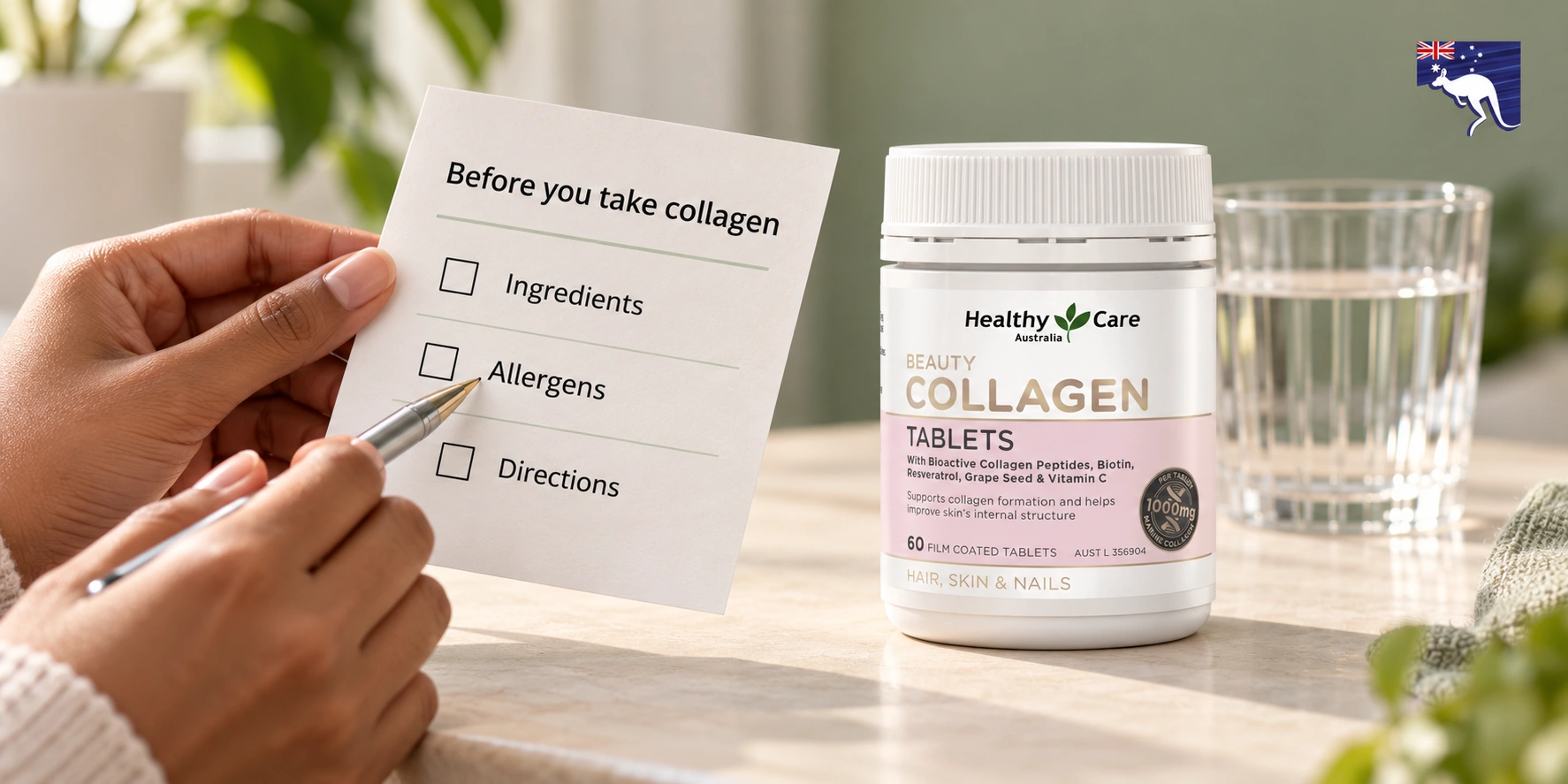
Before choosing either, compare the daily serving, source and allergens, overlapping vitamins or minerals, warnings and cost of continued use. Study results belong to the tested formula, not every product with the same headline ingredient.

Can You Take Collagen and Hyaluronic Acid Together?
Combined products exist, but suitability and extra benefit are separate questions. In a small 2024 randomised trial, adding hyaluronic acid to collagen and vitamin C did not improve the measured outcomes beyond collagen and vitamin C alone.
One trial cannot settle every combination. It does offer a useful buying lesson: a longer ingredient list is not a reason to pay more. Check the total serving, repeated nutrients, collagen source, allergens and warnings. Our guide to added collagen ingredients explains those choices.
This nutrition-professional profile provides background information; it does not indicate review or endorsement of this article or its featured products.

Choose Based on Your Skin Goal
- Tight, dull or dehydrated skin: consider topical hyaluronic acid followed by moisturiser.
- Dry or flaky skin: prioritise a suitable moisturiser; a serum is an optional extra.
- An oral skin supplement: collagen has more studies, while oral hyaluronic acid has a smaller evidence base. Neither is a proven overall winner.
- Collagen skincare: expect surface conditioning, not replacement of deeper collagen.
- Using both: give each product a clear purpose rather than assuming a combined benefit.
In Bangladesh, hot, humid weather can make heavy creams uncomfortable, while air-conditioned rooms may leave skin feeling tight. Choose a texture you can use consistently: lighter when comfortable, richer when dryness calls for it.
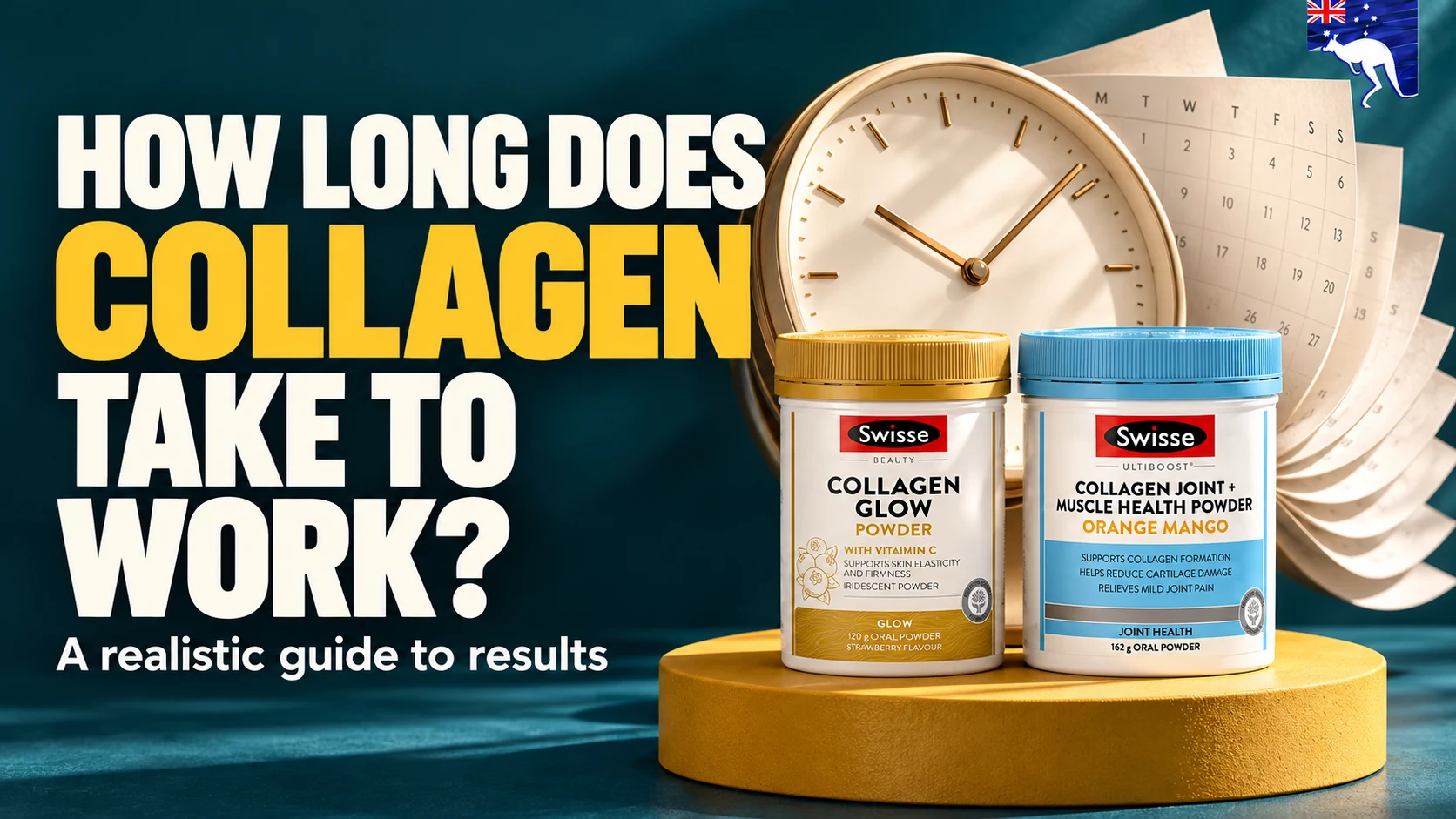
If considering supplements, review realistic collagen timelines and possible side effects. Compare collagen supplements in Bangladesh by source, serving, allergens and cost.
Final Takeaway
Compare like with like. Topical hyaluronic acid is a practical option for surface hydration; moisturiser and daily sun protection remain the foundation. Oral collagen has more research than oral hyaluronic acid, but evidence is mixed. Match the format to your concern, and avoid paying extra for an unproven combination advantage.
Medical disclaimer: This is general education, not individual medical or dermatological advice. Seek professional guidance about pregnancy, breastfeeding, medicines, allergies or health conditions. Formulas and warnings vary. Supplements are not intended to diagnose, treat, cure or prevent disease.